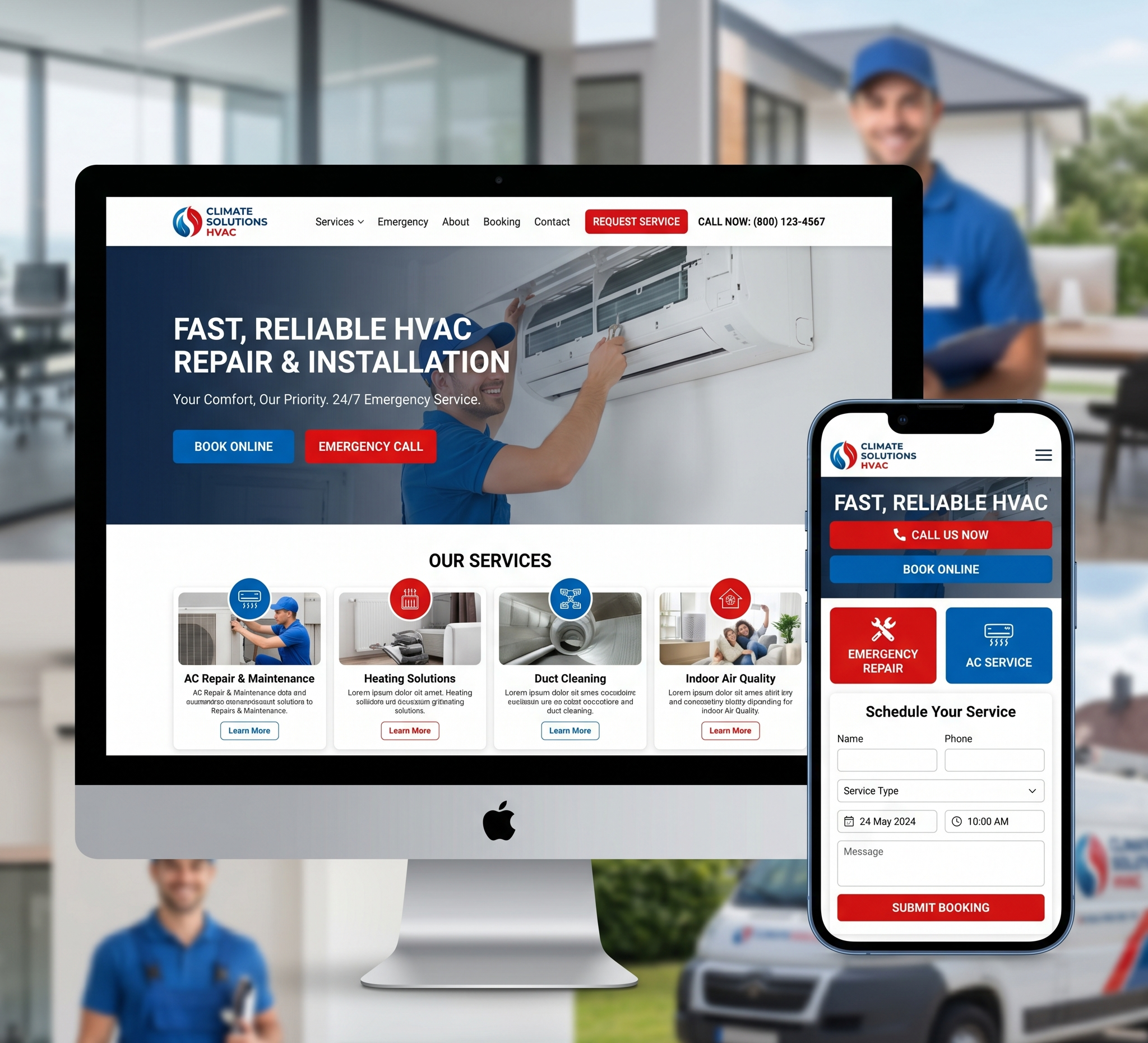

Understanding the Essence of Web Design – In the vast realm of the internet, where information flows seamlessly and connectivity knows no bounds, the significance of a well-designed website cannot be overstated. Web design is an intricate discipline that blends creativity, technology, and functionality to create visually appealing and user-friendly online experiences. In this comprehensive guide, we will delve deep into what web design is all about, exploring its core principles, essential components, and the evolving trends that shape the digital landscape.
Understanding the Essence of Web Design: A Comprehensive Guide
I. Fundamentals of Web Design
Definition of Web Design
- Web design is the process of conceptualizing, planning, and creating a collection of electronic files that determine the layout, structure, colors, text styles, images, graphics, and use of interactive features that deliver pages to your site visitors. In simpler terms, it’s the art and science of crafting websites that engage and captivate users.
Purpose of Web Design
- The primary purpose of web design is to create an aesthetically pleasing and functional website that effectively communicates a message, facilitates user interaction, and achieves the desired goals of the website owner. Whether it’s a personal blog, a corporate website, or an e-commerce platform, effective web design plays a pivotal role in shaping the online presence and user experience.
Importance of User Experience (UX)
- User experience is at the heart of web design. It encompasses every aspect of a user’s interaction with a website, including navigation, responsiveness, load times, and overall satisfaction. A well-designed website prioritizes user experience, ensuring that visitors can easily find information, navigate seamlessly, and enjoy a positive interaction with the site.
User Interface (UI) Design
- User interface design focuses on the visual elements of a website, such as layout, colors, fonts, and interactive elements. UI design aims to create an intuitive and visually appealing interface that enhances the overall user experience. Consistency, simplicity, and clarity are key principles in UI design.
II. Key Components of Web Design
Layout
- The layout of a website defines the structure and arrangement of its elements, including headers, footers, navigation menus, and content sections. A well-thought-out layout enhances readability, guides users through the content, and contributes to a visually pleasing design.
Color Scheme
- Color has a profound impact on the overall look and feel of a website. The choice of colors should align with the brand identity, evoke the desired emotions, and ensure readability. A harmonious color scheme contributes to a cohesive and visually appealing design.
Typography
- Typography refers to the selection and arrangement of fonts on a website. It plays a crucial role in conveying information and establishing the site’s personality. Legible fonts, appropriate font sizes, and consistent typography contribute to a polished and professional appearance.
Images and Graphics
- Visual elements, such as images, graphics, and icons, are essential for capturing the audience’s attention and conveying information. High-quality visuals enhance the overall design and storytelling aspects of a website. However, it’s crucial to optimize images for web use to maintain fast loading times.
Navigation
- Intuitive navigation is a cornerstone of effective web design. Users should be able to easily navigate through the website, finding the information they seek without confusion. Clear menus, logical page hierarchy, and well-labeled links contribute to a positive user experience.
Responsiveness
- With the increasing use of smartphones and tablets, designing for multiple devices is imperative. Responsive web design ensures that a website adapts seamlessly to various screen sizes and resolutions, providing a consistent and user-friendly experience across devices.
Interactivity
- Interactive elements, such as buttons, forms, and sliders, enhance user engagement and create dynamic user experiences. Thoughtful use of interactivity can guide users through the website, encourage actions, and make the overall experience more enjoyable.
III. Web Design Technologies and Tools
HTML (Hypertext Markup Language)
- HTML is the fundamental building block of web pages. It provides the structure and layout of content on the web. Web designers use HTML to define headings, paragraphs, images, links, and other elements that make up the visual and textual content of a website.
CSS (Cascading Style Sheets)
- CSS is used to style HTML elements and control the presentation of a website. It allows designers to define colors, fonts, spacing, and layout, ensuring a consistent and visually appealing design across multiple pages. CSS plays a crucial role in creating responsive and mobile-friendly websites.
JavaScript
- JavaScript is a scripting language that adds interactivity and dynamic behavior to web pages. It enables the creation of interactive elements, such as image sliders, form validation, and dynamic content updates. JavaScript is essential for creating a more engaging and user-friendly web experience.
Content Management Systems (CMS)
- Content Management Systems, such as WordPress, Joomla, and Drupal, provide a framework for building and managing websites without extensive coding knowledge. These platforms offer templates, themes, and plugins that streamline the web design process and empower non-technical users to maintain and update their websites.
Web Design Tools
- Web designers utilize a variety of tools to streamline their workflow and enhance the design process. Graphic design tools like Adobe Photoshop and Illustrator are essential for creating visual assets, while prototyping tools like Adobe XD, Figma, and Sketch aid in designing and testing user interfaces.
IV. Trends Shaping Modern Web Design
Minimalism
- Minimalistic design emphasizes simplicity, clean lines, and a focus on essential elements. This approach enhances user focus, reduces clutter, and creates a visually appealing and modern aesthetic. Minimalism is often associated with faster loading times and improved user experiences.
Responsive Design
- As the use of mobile devices continues to rise, responsive design has become a standard practice. Websites that adapt to different screen sizes and resolutions provide a seamless experience for users across devices, improving accessibility and user satisfaction.
Dark Mode
- Dark mode, characterized by a dark color scheme, has gained popularity for its aesthetic appeal and potential benefits for users, such as reduced eye strain in low-light environments. Many websites and applications now offer a dark mode option to cater to user preferences.
Microinteractions
- Microinteractions are subtle animations or visual feedback that occur in response to user actions. These small details enhance the overall user experience by providing feedback, guiding users, and making interactions more engaging. Examples include button animations and hover effects.
Accessibility
- Web accessibility ensures that websites are designed and developed to be usable by people of all abilities, including those with disabilities. Designing with accessibility in mind involves providing alternative text for images, ensuring keyboard navigation, and using color contrasts that are readable for users with visual impairments.
3D Elements
- The integration of 3D elements in web design adds depth and visual interest. From 3D graphics to interactive 3D models, this trend creates immersive experiences that captivate users. However, it’s crucial to balance visual appeal with performance considerations.
Artificial Intelligence (AI) Integration
- AI is increasingly being integrated into web design to personalize user experiences, analyze user behavior, and automate certain design tasks. Chatbots, recommendation engines, and AI-driven content suggestions are examples of how AI is shaping the future of web design.
V. The Web Design Process
Discovery and Planning
- The web design process begins with a thorough understanding of the project requirements, target audience, and business goals. This phase involves client meetings, research, and the creation of a project plan that outlines the site’s structure, features, and design preferences.
Wireframing
- Wireframing is the creation of a basic visual representation of the website’s structure and layout. It serves as a blueprint, outlining the placement of key elements without focusing on design details. Wireframes help stakeholders visualize the site’s structure and flow.
Design Mockups
- Design mockups are detailed visual representations of the website’s appearance. Using graphic design tools, designers create high-fidelity mockups that showcase the color scheme, typography, imagery, and overall visual style of the website. Mockups provide a tangible preview for client approval before moving to development.
Development
- During the development phase, the web design comes to life. Front-end developers use HTML, CSS, and JavaScript to build the website based on the approved design. Back-end developers may also be involved in implementing functionality, integrating databases, and ensuring the site’s technical performance.
Testing
- Thorough testing is essential to identify and address any issues before the website goes live. Testing includes checking for browser compatibility, responsiveness on various devices, functionality of interactive elements, and overall user experience. Quality assurance ensures a polished and error-free final product.
Launch
- Once testing is complete, the website is ready for launch. This involves making the site accessible to the public and ensuring that all components function as intended. Launching a website is a critical step that requires coordination between developers, designers, and hosting providers.
Maintenance and Updates
- A website is not a static entity but requires ongoing maintenance to ensure optimal performance and security. Regular updates, security patches, and content additions contribute to the longevity and relevance of a website. Monitoring analytics helps identify areas for improvement and informs future updates.
VI. Best Practices in Web Design
Mobile-First Design
- Given the prevalence of mobile device usage, adopting a mobile-first design approach ensures that the user experience is prioritized for smaller screens. Designing for mobile first encourages simplicity and efficiency, leading to a more streamlined and responsive website.
Consistency
- Consistency in design elements, such as color schemes, typography, and navigation, creates a cohesive and professional appearance. Consistent design contributes to brand recognition and helps users navigate the website with ease.
Fast Loading Times
- Website speed is a critical factor in user satisfaction and search engine rankings. Optimizing images, leveraging browser caching, and minimizing HTTP requests are some techniques to enhance loading times. A fast-loading website contributes to a positive user experience and reduces bounce rates.
SEO-Friendly Design
- Search engine optimization (SEO) is vital for ensuring a website’s visibility in search engine results. SEO-friendly design involves using descriptive URLs, incorporating relevant keywords, optimizing images, and creating a sitemap. Well-optimized websites are more likely to rank higher in search engine results pages.
Clear Call-to-Action (CTA)
- A clear call-to-action guides users toward the desired actions, whether it’s making a purchase, filling out a form, or subscribing to a newsletter. Strategically placed and well-designed CTAs contribute to the effectiveness of a website in achieving its goals.
Cross-Browser Compatibility
- Ensuring that a website functions consistently across different web browsers is crucial for reaching a diverse audience. Testing the website on popular browsers such as Chrome, Firefox, Safari, and Edge helps identify and address compatibility issues.
Analytics Integration
- Integrating analytics tools, such as Google Analytics, provides valuable insights into user behavior, website traffic, and the effectiveness of marketing efforts. Analytics data informs decision-making, allowing for continuous improvement and optimization of the website.
VII. Future Trends in Web Design
Augmented Reality (AR) and Virtual Reality (VR)
- As AR and VR technologies advance, web designers are exploring ways to integrate immersive experiences into websites. This could include virtual tours, interactive 3D models, and augmented reality elements that enhance user engagement.
Voice User Interface (VUI)
- The rise of voice-activated devices and virtual assistants has led to the emergence of voice user interfaces. Designing websites with VUI in mind involves considering how users interact with the site through voice commands, creating a more accessible and hands-free experience.
Motion UI
- Motion UI involves the use of animations and transitions to bring a website to life. Subtle animations can capture attention, guide users through the content, and add a dynamic element to the user experience. However, it’s essential to use motion UI judiciously to avoid overwhelming users.
Progressive Web Apps (PWAs)
- Progressive Web Apps combine the best of web and mobile app experiences. These web applications provide a responsive and fast user experience, with features such as offline functionality, push notifications, and seamless installation on users’ devices.
Sustainable Design
- Sustainable web design focuses on minimizing the environmental impact of websites. This includes optimizing code for efficiency, reducing server energy consumption, and using eco-friendly hosting solutions. Sustainable design aligns with the broader trend of environmentally conscious practices in the tech industry.
Conclusion: Understanding the Essence of Web Design
Web design is a dynamic and ever-evolving field that combines artistic creativity with technological innovation. Understanding the core principles of web design, embracing best practices, and staying abreast of emerging trends are essential for creating websites that not only meet user expectations but also stand out in the competitive online landscape.
As we navigate the digital future, web design will continue to shape the way we interact with information, products, and services online. Whether it’s the seamless integration of new technologies, the pursuit of optimal user experiences, or the commitment to sustainability, web design remains a pivotal force in the evolution of the internet. By appreciating the multifaceted nature of web design and its impact on the online world, designers and businesses alike can forge ahead into a future where creativity and functionality coalesce to create meaningful digital experiences.