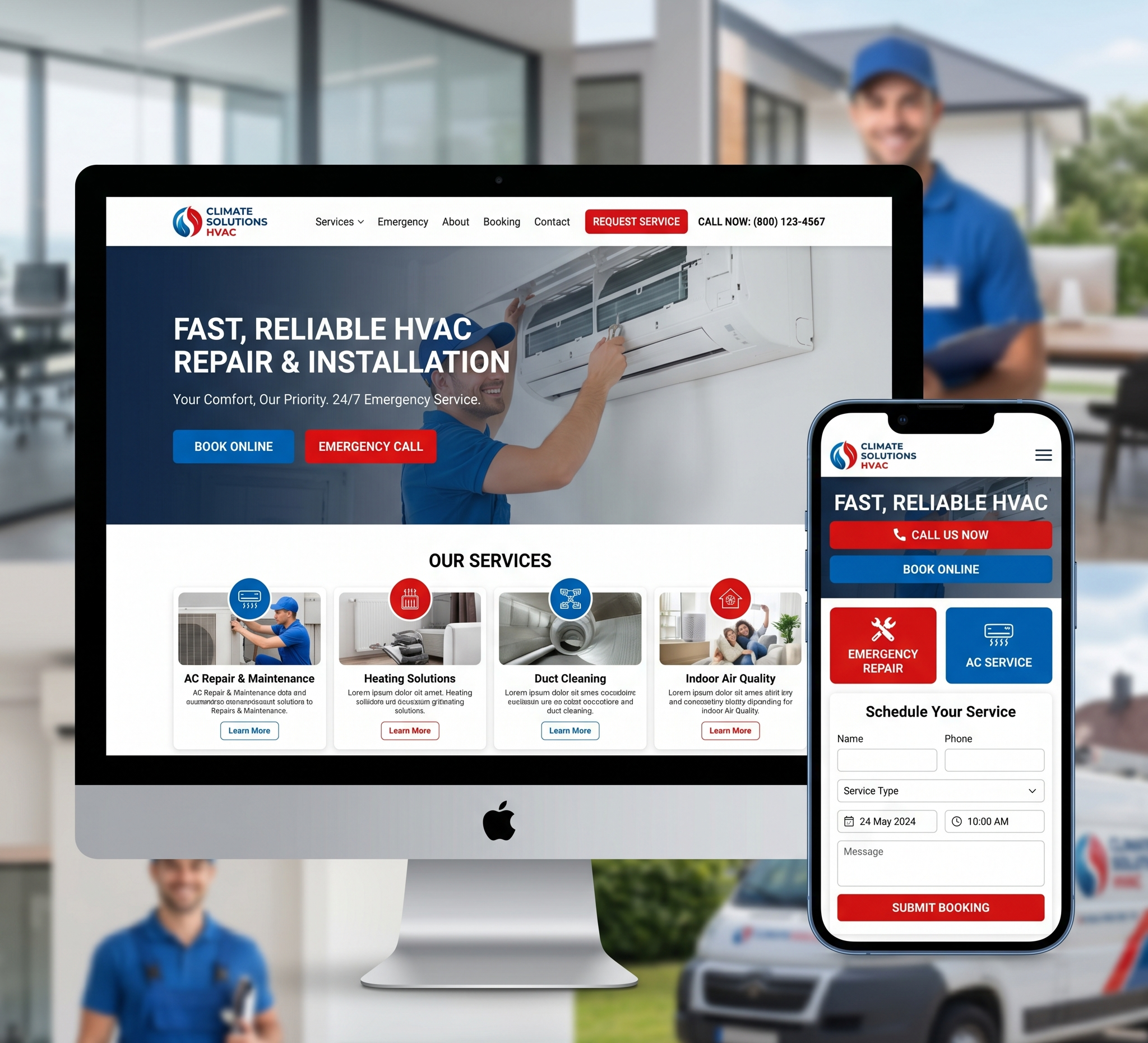

Evolution of Office Web Design – In today’s dynamic digital landscape, the traditional concept of office spaces has undergone a significant transformation. With the rise of remote work and flexible arrangements, businesses are rethinking their approach to office design, both physical and virtual. As a result, the demand for flexible office web design has surged, driven by the need to create adaptable digital environments that cater to the diverse needs of modern workplaces.
Embracing Flexibility: The Evolution of Office Web Design
In this comprehensive guide, we’ll delve into the intricacies of flexible office web design, exploring its principles, benefits, and best practices. From responsive layouts to intuitive user experiences, we’ll uncover the key elements that define effective office web design in an era of flexibility.
Chapter 1: Understanding Flexible Office Design
1.1 The Shift Towards Flexibility:
- Explore the factors driving the transition towards flexible office arrangements.
- Discuss the impact of remote work trends and changing workplace dynamics on office design.
- Highlight the importance of adaptability and scalability in modern office environments.
1.2 Defining Flexible Office Web Design:
- Define flexible office web design and its role in supporting agile work practices.
- Discuss the core principles of flexibility, including responsiveness, scalability, and user-centricity.
- Illustrate how flexible design enables seamless transitions between different devices and screen sizes.
Chapter 2: Key Elements of Flexible Office Web Design
2.1 Responsive Layouts:
- Explain the concept of responsive design and its significance in accommodating diverse user devices.
- Discuss the use of fluid grids, flexible images, and media queries to create responsive layouts.
- Provide examples of websites with effective responsive designs for office environments.
2.2 Modular Design:
- Introduce the concept of modular design and its benefits for flexible office web layouts.
- Explore how modular components enable easy customization and reconfiguration of web interfaces.
- Showcase case studies of websites leveraging modular design principles for enhanced flexibility.
2.3 Scalable Typography:
- Highlight the importance of scalable typography in accommodating varying screen sizes and resolutions.
- Discuss techniques for implementing fluid typography using CSS viewport units and responsive fonts.
- Showcase examples of websites with well-executed typography for flexible office environments.
2.4 Flexible Navigation:
- Explore strategies for designing flexible navigation systems that adapt to different screen sizes and user preferences.
- Discuss the use of collapsible menus, off-canvas navigation, and simplified navigation structures.
- Provide examples of websites with intuitive navigation designs for flexible office web experiences.
Chapter 3: Creating User-Centric Experiences
3.1 Understanding User Needs:
- Emphasize the importance of user research and personas in designing user-centric office web experiences.
- Discuss techniques for gathering insights into user behaviors, preferences, and pain points.
- Illustrate how user-centric design fosters engagement and productivity in flexible office environments.
3.2 Accessibility Considerations:
- Highlight the significance of accessibility in creating inclusive office web experiences for all users.
- Discuss best practices for designing accessible interfaces, including proper use of HTML semantics and ARIA roles.
- Showcase examples of websites that prioritize accessibility in their design approach.
3.3 Performance Optimization:
- Explore strategies for optimizing the performance of office websites to ensure fast loading times and smooth user experiences.
- Discuss techniques such as image optimization, code minification, and lazy loading to enhance website performance.
- Provide tools and resources for evaluating and improving website performance in flexible office environments.
Chapter 4: Implementing Flexibility in Content Management
4.1 Content Strategy:
- Outline the importance of a robust content strategy in supporting flexible office web design.
- Discuss the role of content modeling, structured content, and content reuse in creating adaptable web experiences.
- Provide tips for aligning content strategy with business objectives and user needs.
4.2 Modular Content Management Systems (CMS):
- Introduce the concept of modular CMS platforms and their suitability for flexible office web environments.
- Compare popular CMS options that offer flexibility and scalability for managing diverse content types.
- Showcase examples of websites powered by modular CMS solutions for dynamic office experiences.
Chapter 5: Future Trends and Considerations
5.1 AI and Personalization:
- Explore the potential of artificial intelligence (AI) in personalizing office web experiences for individual users.
- Discuss AI-driven features such as smart recommendations, predictive analytics, and chatbots.
- Speculate on the future impact of AI on the evolution of flexible office web design.
5.2 Augmented Reality (AR) and Virtual Reality (VR):
- Discuss the role of AR and VR technologies in creating immersive office web experiences.
- Explore potential applications of AR/VR for virtual office tours, remote collaboration, and spatial design.
- Consider the challenges and opportunities of integrating AR/VR into flexible office web design.
Conclusion: Evolution of Office Web Design
In conclusion, flexible office web design represents a paradigm shift in how businesses approach the digital workplace. By embracing flexibility and adaptability, organizations can create web environments that cater to the diverse needs of modern workforces. From responsive layouts to user-centric experiences, the key elements of flexible office design empower businesses to thrive in an era of constant change. As technology continues to evolve, the future of office web design holds exciting possibilities for innovation and transformation.