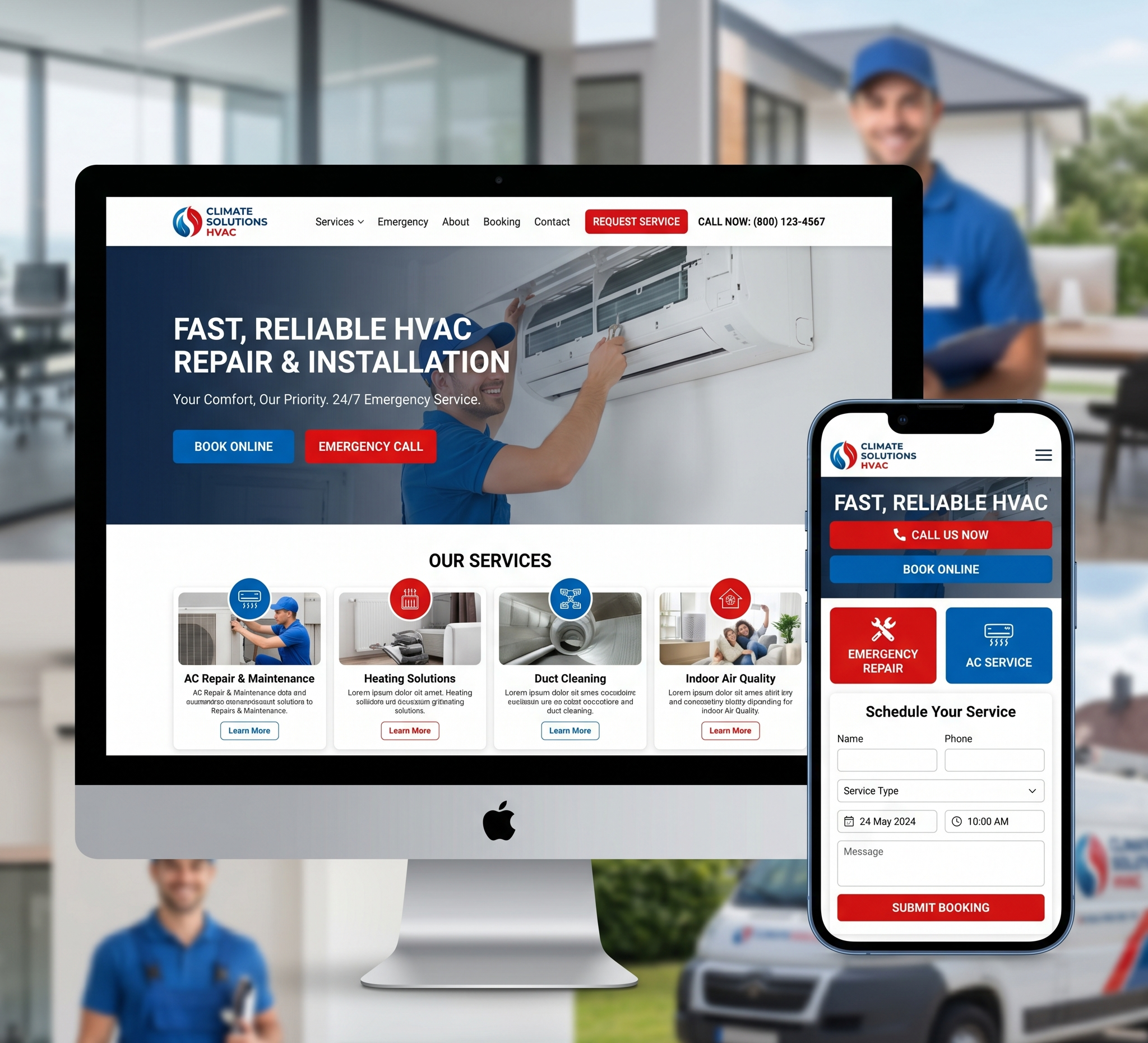

Restaurant Website Design – In the digital age, a restaurant’s online presence is as crucial as its physical ambiance and menu offerings. A well-crafted website serves as the virtual storefront for any dining establishment, offering a glimpse into its unique atmosphere, cuisine, and values. An effective restaurant website design not only entices potential diners but also provides a user-friendly experience that keeps them engaged and hungry for more.
Restaurant Website Design
In this comprehensive guide, we’ll explore the key components, best practices, and innovative strategies in crafting an alluring and functional restaurant website.
The Ultimate Guide to Restaurant Website Design: Crafting an Appetizing Online Presence
Why Does Restaurant Website Design Matter?
A restaurant’s website acts as the first point of contact between the business and its potential customers. It serves multiple essential functions:
First Impressions:
- Your website is often the initial interaction a potential customer has with your restaurant. It’s your chance to make a positive first impression and draw visitors in.
Brand Representation:
- The design, content, and aesthetics of your website should reflect the essence of your restaurant—its theme, cuisine, and atmosphere.
Information Hub:
- Visitors seek information about the menu, location, hours of operation, reservations, and more. A well-designed website should provide this information seamlessly.
Marketing & Engagement:
- It’s a powerful marketing tool, helping to attract new customers, engage existing ones, and maintain communication through newsletters, blogs, or social media integration.
Key Elements of Effective Restaurant Website Design
1. Captivating Visuals
- Images play a pivotal role in enticing visitors. High-resolution photographs of your restaurant, signature dishes, and the ambiance create an immersive experience. Ensure the images are of high quality and accurately represent your offerings.
2. Mobile Responsiveness
- In an era where mobile browsing is prevalent, your website must be mobile-friendly. Responsive design ensures that the site adapts and functions seamlessly on various devices, providing an optimal user experience.
3. Clear Navigation
- Simplicity in navigation is crucial. Users should easily find essential information, such as menu, location, hours, reservations, and contact details. Intuitive navigation enhances user experience.
4. Menu Presentation
- The menu is a focal point for many visitors. Ensure it is easily accessible, visually appealing, and user-friendly. Descriptions of dishes and high-quality images enhance the menu section.
5. Reservation System
- Integrating an online reservation system streamlines the booking process for guests. A seamless and user-friendly reservation system can significantly enhance customer satisfaction.
6. About Us Section
- Tell your story. Sharing the history, mission, and values of your restaurant humanizes the experience. Visitors connect better when they know the story behind the establishment.
7. Contact Information
- Make it easy for customers to find your physical address, phone number, and email. A contact form can also be beneficial for inquiries and feedback.
8. Reviews and Testimonials
- Incorporate reviews or testimonials from satisfied customers. Social proof plays a significant role in influencing potential diners.
9. SEO Optimization
- Search Engine Optimization (SEO) is critical for visibility. Using relevant keywords, meta descriptions, and maintaining fresh, engaging content is key to ranking well on search engines.
Designing Strategies for an Appealing Restaurant Website
1. Color Scheme and Branding
- The color scheme should complement your brand. Warm, inviting colors can stimulate appetite, while consistent branding creates a strong visual identity.
2. Typography and Readability
- Choose fonts that are easy to read and reflect your brand’s personality. Ensure the text is legible and easily digestible across all devices.
3. User-Friendly Interface
- Simplicity is key. An intuitive interface guides users seamlessly through the website, making it easy for them to find information quickly.
4. Integration of Social Media
- Linking your website to your social media platforms allows visitors to further engage with your brand and share their experiences.
Trends in Modern Restaurant Website Design
1. Video Integration
- Utilizing videos to showcase the restaurant’s ambiance, behind-the-scenes glimpses, or chef’s specials can be more engaging than static images.
2. Storytelling and Personalization
- Restaurants are increasingly using their websites to tell compelling stories, humanizing their brand and creating an emotional connection with the audience.
3. Online Ordering and Delivery Integration
- With the surge in online ordering and delivery services, integrating these services into your website can enhance convenience for customers.
Case Studies in Effective Restaurant Website Design
1. Sweet Greens
- The website for Sweet Greens, a health-focused salad chain, is a great example of simplicity. The design is clean, the menu is easy to navigate, and the use of vibrant images of fresh ingredients is visually appealing.
2. Olive & June
- Olive & June, an upscale Italian restaurant, showcases an elegant and sophisticated design that reflects its brand identity. The website exudes a luxurious feel, and the high-quality images of their dishes elevate the overall experience.
The Significance of Restaurant Website Design
1. Captivating Visuals
The first thing that captures a visitor’s attention on a restaurant website is the visuals. High-quality images of your dishes, restaurant ambiance, and even your team can convey the essence of your restaurant, making your potential customers feel like they’ve already dined with you in their minds.
When designing your website, focus on the following aspects of visual elements:
– Professional Food Photography
- Investing in professional food photography is a game-changer. High-resolution, mouthwatering images of your dishes can make your visitors crave your food even before stepping foot in your restaurant. Make sure to use a professional photographer who can capture the textures, colors, and presentations that make your dishes stand out.
– Interior and Exterior Shots
- Showcasing your restaurant’s interior and exterior can give potential customers a sense of the ambiance you provide. Whether it’s a cozy, dimly lit space for romantic dinners or a bright, open setting for family gatherings, let your visuals communicate the experience.
– Team Showcase
- Introduce your team to your online visitors. Photos of your chefs, servers, and other staff members add a personal touch to your website. It makes your restaurant feel more human and relatable.
2. Responsive Design
A responsive website design is no longer an option; it’s a necessity. With the majority of internet browsing now happening on mobile devices, your restaurant website must adapt to various screen sizes and resolutions seamlessly. A responsive design ensures that your website looks and functions well on desktops, laptops, tablets, and smartphones, providing an excellent user experience regardless of the device used.
3. Intuitive Navigation
The navigation of your restaurant website should be straightforward and intuitive. Visitors should be able to find the information they need without hassle. The following tips can help improve navigation:
– Clear Menu Structure
- Organize your website into logical sections. Typically, this includes sections like “Menu,” “About Us,” “Reservations,” “Contact,” and possibly “Events” or “Blog.” Keep your menu items clear and concise.
– Use of Visuals
- Incorporate icons or images alongside text in the navigation menu to make it more visually appealing and easier to understand.
– Sticky Menu
- Consider implementing a sticky menu that remains visible at the top of the page as users scroll down. This ensures that important navigation options are always accessible.
4. Speed Optimization
Website loading speed is crucial for user experience and SEO. A slow website can frustrate visitors and discourage them from exploring further. Google also considers page speed when ranking websites in search results. To improve your website’s speed:
– Compress Images
- Optimize images to reduce their file size without compromising quality. There are various image compression tools available for this purpose.
– Minimize HTTP Requests
- Reduce the number of external resources, such as scripts and stylesheets, that your website loads. Combining and minifying files can help.
– Utilize Caching
- Leverage browser caching to store frequently accessed resources on the user’s device, reducing the need to download them on subsequent visits.
5. Engaging Content
The content on your restaurant website should engage and inform visitors. Beyond just displaying your menu, consider the following elements:
– Storytelling
- Share the story of your restaurant, including its history, values, and the passion that drives your culinary creations. A compelling narrative can forge a connection with your audience.
– Blog or News Section
- Maintaining a blog or news section can keep your website fresh and give you a platform to share updates, events, and interesting stories related to your restaurant.
– Customer Reviews and Testimonials
- Displaying reviews and testimonials from satisfied customers adds credibility to your restaurant. Ensure that these are prominently featured on your website.
6. Online Reservation System
An online reservation system is a must for modern restaurant websites. It allows customers to book a table easily, enhancing their experience and reducing the workload on your staff. Consider the following when implementing a reservation system:
– User-Friendly Interface
- The reservation system should be intuitive and easy to use. Avoid complex forms and make the booking process as streamlined as possible.
– Integration with Other Systems
- Integrate the reservation system with your point-of-sale (POS) system to ensure that booked tables are automatically updated and available.
– Confirmation and Communication
- Automated confirmation emails and reminders can reduce no-shows. Effective communication with customers is essential.
7. Menu Presentation
The menu is the heart of your restaurant website. Its presentation is vital in enticing visitors. Consider the following when displaying your menu:
– High-Quality Images
- Include high-resolution images of your dishes. Visual appeal can drive appetite.
– Descriptive Text
- Accompany each dish with a well-crafted description that highlights its unique flavors and ingredients.
– Allergen Information
- Incorporate allergen information for each dish to cater to customers with dietary restrictions.
– Pricing
- Be transparent with pricing. Guests should know what to expect when they dine with you.
8. Online Ordering and Delivery
In addition to reservations, offering online ordering and delivery services can significantly boost your revenue. Make it as convenient as possible for customers to place orders for takeout or delivery directly from your website.
– Seamless Integration
- If you’re using a third-party delivery service, ensure that it integrates seamlessly with your website, maintaining a consistent user experience.
– Customization
- Allow customers to customize their orders, just as they would when dining in. This includes options for ingredients, sides, and special requests.
– Real-Time Tracking
- Implement a real-time order tracking system so customers can monitor the status of their orders.
9. Social Media Integration
Your restaurant’s social media presence can play a vital role in marketing and engaging with customers. Integrate your social media accounts into your website by including social media icons, sharing buttons, and live feeds to display your latest posts.
10. SEO Optimization
Optimizing your restaurant website for search engines is essential for driving organic traffic. SEO involves various strategies and practices that help your website rank higher in search engine results pages (SERPs). Below are key aspects to consider:
– Keyword Research
- Identify relevant keywords that potential customers might use when searching for restaurants like yours. These keywords should be integrated into your website’s content.
Conclusion: Restaurant Website Design
In today’s digital landscape, a well-designed restaurant website is not just an accessory but a necessity. It serves as the digital face of your restaurant, offering an insight into what customers can expect. It’s a powerful tool for marketing, engagement, and enhancing the overall customer experience.
By prioritizing captivating visuals, seamless navigation, mobile responsiveness, and incorporating the latest design trends, your restaurant’s website can be transformed into an appetizing online destination that entices and satisfies visitors, driving foot traffic to your physical location.
Remember, a successful restaurant website design isn’t just about aesthetics; it’s about creating an online experience that mirrors the quality, atmosphere, and values your restaurant offers. Cheers to crafting a digital space as delectable as your menu!