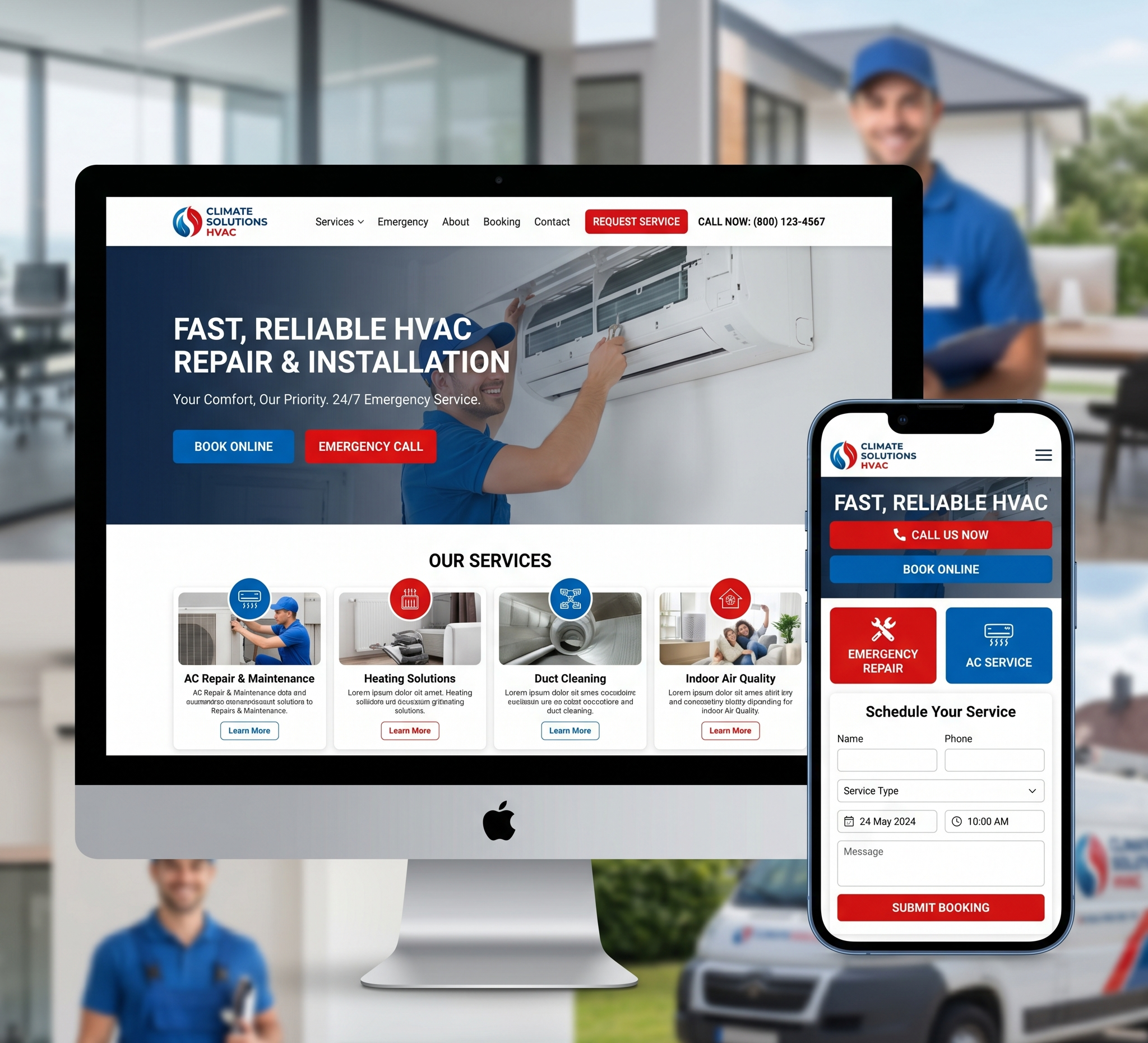
How to Choose the Best Web Designer in Brooklyn 2024? In the digital age, having a strong online presence is crucial for the success of any business. Your website serves as the face of your brand in the virtual world, and its design plays a pivotal role in attracting and retaining visitors. As a business owner in Brooklyn in 2024, you understand the importance of a well-designed website that not only looks appealing but also functions seamlessly. To achieve this, you need the expertise of a skilled and reliable web designer. In this guide, we will walk you through the essential steps to choose the best web designer in Brooklyn in 2024.
How to Choose the Best Web Designer in Brooklyn 2024? A Comprehensive Guide
A. Why is Choosing the Right Web Designer Important?
Your website is often the first interaction a potential customer has with your business. It serves as a virtual storefront, and its design can significantly impact the perception of your brand. A well-designed website not only looks professional but also enhances user experience, making it easier for visitors to navigate and find the information they need.
Here are some key reasons why choosing the right web designer is crucial:
- First Impressions Matter: Your website is often the first interaction a potential customer has with your brand. A visually appealing and user-friendly website creates a positive first impression.
- User Experience: A well-designed website ensures a smooth and enjoyable experience for visitors. Easy navigation, fast loading times, and intuitive design contribute to a positive user experience.
- SEO Optimization: Search engines prioritize websites with good design and functionality. A skilled web designer can implement SEO best practices to improve your website’s visibility in search engine results.
- Brand Image: Your website is an extension of your brand. A professional and cohesive design reinforces your brand image and builds trust with your audience.
- Competitive Edge: In a competitive market like Brooklyn, a well-designed website can give you a competitive edge. It sets you apart from competitors and showcases your commitment to quality.
B. Steps to Choose the Best Web Designer in Brooklyn 2024
Now that we understand the importance of choosing the right web designer, let’s delve into the steps you should follow to find the best fit for your business in Brooklyn.
1. Define Your Goals and Budget
Before you start looking for a web designer, it’s crucial to define your goals and budget. Consider what you want to achieve with your website. Are you looking to increase online sales, generate leads, or simply provide information about your products or services?
Additionally, set a realistic budget for your web design project. Understanding your goals and budget will help you communicate effectively with potential designers and narrow down your options.
2. Research and Gather Recommendations
Start your search by researching web designers in Brooklyn. Look for local designers with experience in your industry or niche. You can ask for recommendations from friends, colleagues, or fellow business owners. Additionally, check online reviews and testimonials to get an idea of the experiences others have had with different designers.
Make a list of potential candidates based on your research, and don’t hesitate to reach out to your network for personal recommendations.
3. Review Portfolios
Once you have a list of potential web designers, take the time to review their portfolios. A portfolio showcases a designer’s previous work and gives you insights into their style, creativity, and range of skills. Look for designers who have experience in creating websites similar to what you envision for your business.
Pay attention to the visual appeal, functionality, and overall user experience of the websites featured in the portfolio. A diverse and impressive portfolio is a good indicator of a designer’s capabilities.
4. Check Credentials and Experience
Credentials and experience are crucial factors when choosing a web designer. Verify the educational background, certifications, and relevant experience of each candidate. Look for designers with a track record of successful projects and a solid understanding of the latest design trends and technologies.
While experience is essential, also consider a designer’s ability to adapt to new trends and technologies, as the digital landscape is constantly evolving.
5. Assess Technical Skills
In addition to design skills, a web designer should possess technical skills to bring your vision to life. Assess their proficiency in coding languages such as HTML, CSS, and JavaScript. Knowledge of content management systems (CMS) like WordPress or Drupal is also valuable, as it allows for easier website management and updates.
Ask about their experience with responsive design, ensuring that your website will look and function seamlessly across various devices, including smartphones and tablets.
6. Understand the Design Process
A transparent and well-defined design process is crucial for a successful collaboration with a web designer. During your initial discussions, ask about their design process, from the initial concept to the final implementation.
Key aspects to inquire about include:
- Discovery Phase: How do they gather information about your business, goals, and target audience?
- Design Concept: What is their approach to creating a design concept, and how do they involve you in the decision-making process?
- Revisions and Feedback: How many revisions are included in the design process, and how do they handle client feedback?
- Timeline: What is the expected timeline for the project, including milestones and deliverables?
Understanding the design process ensures that both parties are on the same page and helps avoid misunderstandings during the project.
7. Communication and Collaboration
Effective communication is key to a successful web design project. Assess the communication style of potential designers during your initial interactions. A good designer should be attentive to your ideas, ask relevant questions, and provide clear and concise explanations of their approach.
Additionally, inquire about how they handle communication throughout the project. Regular updates, feedback sessions, and a collaborative approach contribute to a smoother design process.
8. Evaluate Responsiveness and Support
Once your website is live, you may encounter issues or require updates. Inquire about the designer’s post-launch support and maintenance services. A responsive and reliable designer will be available to address any issues promptly and provide ongoing support as needed.
Ask about their approach to updates, security, and potential future enhancements. Knowing that you have ongoing support can give you peace of mind and ensure the long-term success of your website.
9. Discuss Pricing and Contracts
Clearly discuss pricing and payment terms with potential web designers. Understand their pricing structure and whether it aligns with your budget. Some designers may charge a flat fee for the entire project, while others may work on an hourly basis.
Review the contract thoroughly and ensure that it includes:
- Scope of Work: Clearly outline the services included in the project.
- Timeline: Specify the expected timeline for each phase of the project.
- Payment Terms: Clearly define the payment schedule and any additional costs.
Understanding the terms of the contract helps avoid misunderstandings and ensures a transparent working relationship.
10. Ask for References
Before making a final decision, ask potential web designers for references from previous clients. Contact these references to inquire about their experiences working with the designer. Ask about communication, adherence to timelines, and overall satisfaction with the final results.
References provide valuable insights into the designer’s professionalism, reliability, and ability to meet client expectations.
11. Stay Updated on Design Trends
The field of web design is dynamic, with trends and technologies constantly evolving. A good web designer stays updated on the latest design trends, user experience principles, and technological advancements.
During your discussions, inquire about how the designer stays informed about industry changes. A designer who is proactive about learning and adapting to new trends is more likely to create a website that stands out and meets current standards.
12. Trust Your Instincts
Finally, trust your instincts when making a decision. Consider not only the technical skills and experience of the web designer but also the personal connection you feel during your interactions. A collaborative and positive working relationship is crucial for the success of your project.
If you have reservations or doubts about a particular designer, it’s okay to explore other options. Choose a web designer with whom you feel comfortable and confident in bringing your vision to life.
Conclusion: How to Choose the Best Web Designer in Brooklyn 2024?
Choosing the best web designer in Brooklyn in 2024 requires careful consideration of various factors, from technical skills to communication style. Your website is a crucial asset for your business, and investing time in selecting the right designer is a wise decision.
Define your goals, research potential candidates, review portfolios, and assess technical skills and experience. Understand the design process, communication style, and post-launch support. Discuss pricing, contracts, and ask for references to make an informed decision.
By following these steps, you can ensure that your website not only looks visually stunning but also functions seamlessly, contributing to the overall success of your business in Brooklyn. The right web designer will not only meet your expectations but exceed them, creating a digital presence that leaves a lasting impression on your audience.