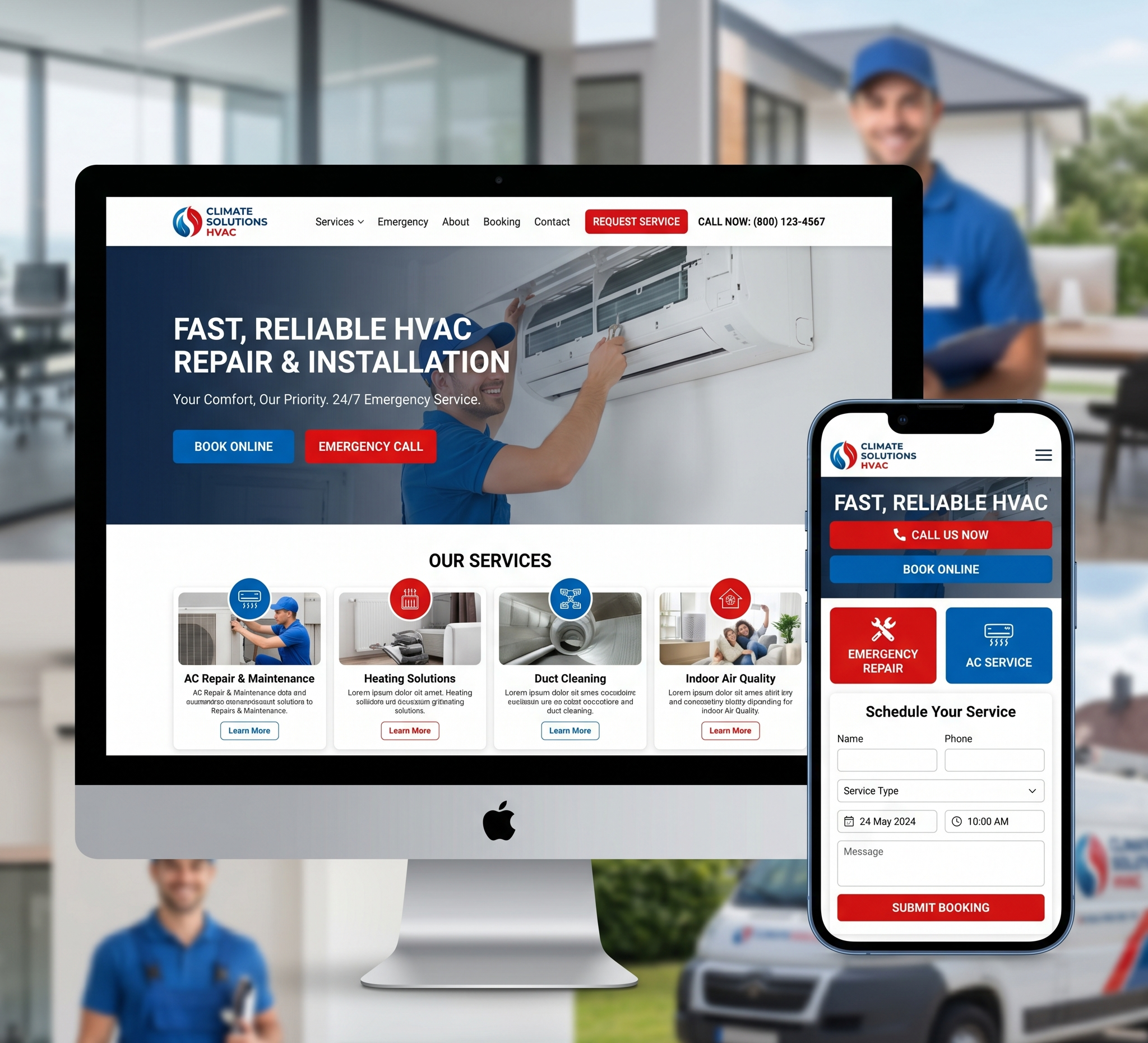

Hospital Management System Web Design – The healthcare industry is rapidly evolving, driven by advancements in technology and the growing demand for efficient patient care. A critical component of this transformation is the Hospital Management System (HMS). An HMS is an integrated software platform designed to manage all aspects of a hospital’s operations, including patient care, administrative tasks, and financial management. In today’s digital age, the design of an HMS’s web interface plays a pivotal role in ensuring its effectiveness and user-friendliness. This comprehensive guide will explore the essential elements of hospital management system web design, providing detailed explanations and insights to help you create a robust, efficient, and user-centric platform.
Hospital Management System Web Design: A Comprehensive Guide
Understanding Hospital Management Systems
What is a Hospital Management System?
A Hospital Management System (HMS) is a comprehensive software solution designed to streamline the management of a hospital or healthcare facility. It integrates various functions, such as patient registration, appointment scheduling, billing, medical records management, inventory management, and more. By centralizing these functions, an HMS enhances the efficiency and quality of healthcare delivery.
Importance of an HMS
- Improved Patient Care: An HMS provides real-time access to patient information, enabling healthcare providers to make informed decisions and deliver timely care.
- Operational Efficiency: Automating administrative tasks reduces the workload on staff, allowing them to focus more on patient care.
- Accurate Billing and Reporting: An HMS ensures accurate billing and generates comprehensive reports, aiding in financial management and compliance with regulatory standards.
- Data Security: With sensitive patient data at stake, an HMS incorporates robust security measures to protect against data breaches and unauthorized access.
Key Components of Hospital Management System Web Design
Designing an effective HMS web interface requires a deep understanding of the various components involved. Here, we will delve into the key elements that contribute to a successful HMS web design.
User-Centric Design
A user-centric design prioritizes the needs and preferences of the end-users, ensuring that the HMS is intuitive and easy to navigate. This involves understanding the different user personas, including doctors, nurses, administrative staff, and patients, and tailoring the design to meet their specific requirements.
User Personas:
- Doctors: Need quick access to patient records, lab results, and appointment schedules.
- Nurses: Require tools for patient monitoring, medication management, and shift scheduling.
- Administrative Staff: Focus on appointment scheduling, billing, and inventory management.
- Patients: Seek easy appointment booking, access to medical records, and communication with healthcare providers.
User Interface (UI) Design:
- Simplicity: A clean, uncluttered interface with intuitive navigation.
- Consistency: Uniform design elements and terminology across the platform.
- Accessibility: Compliance with accessibility standards (e.g., WCAG) to accommodate users with disabilities.
User Experience (UX) Design:
- Efficiency: Minimize the number of clicks required to perform common tasks.
- Feedback: Provide immediate feedback for user actions (e.g., confirmation messages, error notifications).
- Personalization: Customize the interface based on user roles and preferences.
Responsive Design
With the increasing use of mobile devices, a responsive design is essential for ensuring that the HMS is accessible on various screen sizes and devices. This involves using flexible layouts, scalable images, and media queries to create a seamless user experience across desktops, tablets, and smartphones.
- Fluid Grid Layouts: Use relative units (e.g., percentages) instead of fixed units (e.g., pixels) to define the layout.
- Flexible Images: Ensure that images scale appropriately within their containing elements.
- Media Queries: Apply different styles based on device characteristics, such as screen width and resolution.
Security and Privacy
Given the sensitive nature of healthcare data, security and privacy are paramount in HMS web design. This involves implementing robust security measures to protect against data breaches and ensuring compliance with regulatory standards, such as HIPAA (Health Insurance Portability and Accountability Act).
- Data Encryption: Use encryption protocols (e.g., SSL/TLS) to secure data transmission between the client and server.
- Access Control: Implement role-based access control (RBAC) to restrict access to sensitive information based on user roles.
- Audit Logs: Maintain detailed logs of user activities to detect and respond to suspicious behavior.
- Compliance: Ensure that the HMS adheres to relevant healthcare regulations and standards.
Integration with Other Systems
An effective HMS should seamlessly integrate with other healthcare systems, such as Electronic Health Records (EHR), Laboratory Information Systems (LIS), and Pharmacy Management Systems (PMS). This ensures a cohesive healthcare ecosystem and facilitates data exchange between different platforms.
- APIs: Use Application Programming Interfaces (APIs) to enable communication between the HMS and other systems.
- Interoperability Standards: Adhere to interoperability standards, such as HL7 (Health Level Seven) and FHIR (Fast Healthcare Interoperability Resources), to ensure compatibility.
- Data Synchronization: Implement mechanisms for real-time data synchronization to maintain consistency across systems.
Scalability and Performance
A well-designed HMS should be scalable to accommodate the growing needs of a healthcare facility and ensure optimal performance under varying loads. This involves implementing efficient data storage, load balancing, and caching mechanisms.
- Database Design: Use a scalable database architecture to handle large volumes of data.
- Load Balancing: Distribute traffic across multiple servers to prevent bottlenecks and ensure high availability.
- Caching: Implement caching strategies to reduce server load and improve response times.
Essential Features of a Hospital Management System
To meet the diverse needs of a healthcare facility, an HMS must include a wide range of features. Below, we will explore the essential features that should be incorporated into an HMS web design.
Patient Management
- Patient Registration: Streamlined process for registering new patients and capturing demographic information.
- Appointment Scheduling: Tools for scheduling, rescheduling, and canceling appointments, with automated reminders.
- Medical Records: Comprehensive management of electronic medical records (EMRs), including patient history, diagnoses, treatments, and lab results.
- Patient Portal: Secure online portal for patients to access their medical records, book appointments, and communicate with healthcare providers.
Clinical Management
- Inpatient Management: Tools for managing admissions, discharges, and transfers, as well as tracking patient progress.
- Outpatient Management: Efficient handling of outpatient visits, including consultation scheduling and follow-ups.
- Laboratory Management: Integration with laboratory systems to manage test orders, results, and reporting.
- Radiology Management: Tools for scheduling and managing radiology exams, with integration for viewing and sharing images.
Administrative Management
- Staff Management: Tools for managing staff schedules, roles, and payroll.
- Inventory Management: Efficient tracking of medical supplies, equipment, and pharmaceuticals, with automated reorder alerts.
- Billing and Financial Management: Comprehensive billing system for generating invoices, processing payments, and managing insurance claims.
- Reporting and Analytics: Advanced reporting tools for generating insights into operational performance, financial health, and patient outcomes.
Communication and Collaboration
- Messaging: Secure messaging system for communication between healthcare providers and patients.
- Telemedicine: Integration with telemedicine platforms for remote consultations and follow-ups.
- Collaboration Tools: Tools for real-time collaboration among healthcare providers, including shared notes and case discussions.
Best Practices for Hospital Management System Web Design
To ensure the success of your HMS web design, it is important to follow best practices that prioritize usability, security, and performance. Here, we will outline some of the key best practices to consider.
Conduct User Research
Understanding the needs and preferences of your users is essential for designing an effective HMS. Conduct user research to gather insights into their workflows, pain points, and expectations. This can be done through interviews, surveys, and usability testing.
- Interviews: Conduct one-on-one interviews with different user personas to understand their specific requirements and challenges.
- Surveys: Distribute surveys to gather quantitative data on user preferences and satisfaction.
- Usability Testing: Observe users as they interact with the HMS to identify usability issues and areas for improvement.
Prioritize Usability
Usability is a critical factor in the success of an HMS. Ensure that the interface is intuitive and easy to navigate, with clear instructions and feedback for user actions.
- Intuitive Navigation: Design a logical and intuitive navigation structure that allows users to quickly find the information they need.
- Clear Instructions: Provide clear and concise instructions for completing tasks, with tooltips and help guides where necessary.
- Feedback Mechanisms: Use visual and auditory feedback to inform users of the status of their actions, such as loading indicators and confirmation messages.
Focus on Security
Given the sensitive nature of healthcare data, security must be a top priority in HMS web design. Implement robust security measures to protect against data breaches and unauthorized access.
- Data Encryption: Use encryption protocols to secure data transmission and storage.
- Access Control: Implement role-based access control to restrict access to sensitive information based on user roles.
- Regular Audits: Conduct regular security audits to identify and address vulnerabilities.
Ensure Compatibility and Interoperability
To create a cohesive healthcare ecosystem, the HMS should be compatible with other systems and adhere to interoperability standards.
- API Integration: Use APIs to enable seamless communication between the HMS and other systems.
- Interoperability Standards: Adhere to standards such as HL7 and FHIR to ensure compatibility and data exchange.
- Data Synchronization: Implement real-time data synchronization to maintain consistency across systems.
Optimize Performance
Performance is a critical factor in the usability and effectiveness of an HMS. Ensure that the system is responsive and can handle varying loads without compromising performance.
- Efficient Database Design: Use a scalable database architecture to handle large volumes of data.
- Load Balancing: Implement load balancing to distribute traffic across multiple servers and prevent bottlenecks.
- Caching Strategies: Use caching strategies to reduce server load and improve response times.
Adhere to Regulatory Standards
Compliance with regulatory standards is essential for ensuring the legality and credibility of your HMS. Ensure that the system adheres to relevant healthcare regulations and standards.
- HIPAA Compliance: Ensure that the HMS complies with HIPAA regulations for the protection of patient data.
- GDPR Compliance: If applicable, ensure compliance with GDPR regulations for data protection and privacy.
- Regular Audits: Conduct regular compliance audits to ensure adherence to regulatory standards.
Case Studies of Successful Hospital Management System Web Designs
To provide a practical understanding of effective HMS web design, let s explore some case studies of successful implementations.
Case Study 1: Mayo Clinic’s HMS
Overview: Mayo Clinic, one of the leading healthcare providers in the United States, implemented a comprehensive HMS to streamline its operations and enhance patient care.
Key Features:
- Integrated Patient Portal: Provides patients with access to their medical records, appointment scheduling, and communication with healthcare providers.
- Advanced Reporting: Offers detailed reports on patient outcomes, operational performance, and financial health.
- Telemedicine Integration: Enables remote consultations and follow-ups through a secure telemedicine platform.
Design Highlights:
- User-Centric Design: The system is tailored to the needs of different user personas, with intuitive navigation and personalized dashboards.
- Responsive Design: Ensures seamless access across desktops, tablets, and smartphones.
- Robust Security: Implements advanced security measures, including data encryption and role-based access control.
Case Study 2: Apollo Hospitals’ HMS
- Overview: Apollo Hospitals, a leading healthcare provider in India, developed an HMS to improve operational efficiency and patient care.
Key Features:
Comprehensive Patient Management: Includes patient registration, appointment scheduling, and electronic medical records.
Inventory Management: Efficient tracking of medical supplies and automated reorder alerts.
Billing and Financial Management: Integrated billing system for accurate invoicing and insurance claim management.
Design Highlights:
- User-Friendly Interface: The system features a clean, intuitive interface with clear instructions and feedback mechanisms.
- Interoperability: Adheres to HL7 and FHIR standards for seamless data exchange with other systems.
- Scalability: Designed to accommodate the growing needs of the healthcare facility, with efficient database design and load balancing.
Case Study 3: Cleveland Clinic’s HMS
- Overview: Cleveland Clinic, a renowned healthcare provider, implemented an HMS to enhance patient care and streamline administrative tasks.
Key Features:
- Patient Portal: Provides patients with access to their medical records, appointment scheduling, and secure messaging.
- Clinical Management: Tools for inpatient and outpatient management, laboratory integration, and radiology management.
- Advanced Analytics: Offers detailed analytics and reporting tools for operational performance and patient outcomes.
Design Highlights:
- User-Centric Approach: The system is designed with a focus on usability, with personalized dashboards and intuitive navigation.
- Responsive Design: Ensures optimal performance across different devices and screen sizes.
- Security and Compliance: Implements robust security measures and ensures compliance with HIPAA and other regulatory standards.
Future Trends in Hospital Management System Web Design
The field of HMS web design is continuously evolving, driven by advancements in technology and changing healthcare needs. Here are some future trends to watch out for:
Artificial Intelligence and Machine Learning
Artificial Intelligence (AI) and Machine Learning (ML) are set to revolutionize HMS web design. These technologies can be used to analyze vast amounts of data, identify patterns, and provide predictive insights. For example, AI-powered tools can predict patient outcomes, optimize staff scheduling, and detect anomalies in medical records.
- Predictive Analytics: Use AI and ML to analyze patient data and predict outcomes, such as disease progression and treatment effectiveness.
- Personalized Care: Leverage AI to provide personalized treatment plans based on individual patient data.
- Automated Processes: Implement AI-driven automation for administrative tasks, such as appointment scheduling and billing.
Telemedicine and Remote Monitoring
The COVID-19 pandemic has accelerated the adoption of telemedicine and remote monitoring technologies. Future HMS web designs will increasingly integrate these capabilities to provide remote care and improve patient outcomes.
- Telemedicine Integration: Enable seamless video consultations and follow-ups through secure telemedicine platforms.
- Remote Monitoring: Incorporate tools for remote patient monitoring, such as wearable devices and home health kits.
- Data Integration: Ensure that data from telemedicine and remote monitoring devices is seamlessly integrated into the HMS.
Blockchain Technology
Blockchain technology offers a secure and transparent way to manage healthcare data. It can be used to create immutable records, enhance data security, and facilitate interoperability between different systems.
- Secure Data Storage: Use blockchain to store patient records securely and prevent unauthorized access.
- Interoperability: Leverage blockchain to facilitate data exchange between different healthcare systems.
- Transparency: Ensure transparency and accountability in data management through immutable records.
Internet of Things (IoT)
The Internet of Things (IoT) has the potential to transform healthcare by connecting various devices and systems. Future HMS web designs will increasingly incorporate IoT capabilities to enhance patient care and operational efficiency.
- Connected Devices: Integrate IoT devices, such as smart monitors and wearable sensors, into the HMS.
- Real-Time Data: Enable real-time data collection and analysis from IoT devices to monitor patient health and optimize care.
- Automated Alerts: Implement automated alerts for critical events, such as abnormal vital signs or equipment malfunctions.
Enhanced User Experience (UX)
As user expectations continue to evolve, future HMS web designs will focus on providing an enhanced user experience. This includes intuitive interfaces, personalized dashboards, and seamless navigation.
- Intuitive Interfaces: Design user interfaces that are easy to navigate and require minimal training.
- Personalized Dashboards: Provide personalized dashboards that display relevant information based on user roles and preferences.
- Seamless Navigation: Ensure that users can easily navigate the system and find the information they need.
Conclusion: Hospital Management System Web Design
Designing a Hospital Management System (HMS) web interface is a complex and multifaceted task that requires a deep understanding of the healthcare industry, user needs, and technological advancements. By prioritizing user-centric design, security, interoperability, and performance, you can create an HMS that enhances patient care, streamlines administrative tasks, and improves operational efficiency.
As we look to the future, emerging technologies such as AI, telemedicine, blockchain, and IoT will continue to shape the landscape of HMS web design. By staying abreast of these trends and incorporating best practices, you can ensure that your HMS remains relevant and effective in an ever-evolving healthcare environment.
In summary, a well-designed HMS web interface is essential for the efficient and effective management of a healthcare facility. By focusing on user needs, security, interoperability, and performance, you can create a robust and user-friendly platform that meets the diverse needs of healthcare providers, administrative staff, and patients.