
In the ever-evolving world of digital marketing, Search Engine Optimization (SEO) remains one of the most effective strategies for increasing online visibility. One of the core components of SEO is keyword research—finding the right words and phrases people use to search for information, products, or services. In 2024, with Google constantly updating its algorithms and improving search intent matching, keyword research is more critical than ever.
Google SEO Keyword Search: The Ultimate Guide for 2024
This guide will take you through everything you need to know about Google SEO keyword search—from the basics to advanced techniques. By the end of this article, you’ll have a comprehensive understanding of how to conduct keyword research, why it matters for SEO, and how to use keywords effectively for higher rankings.
1. Understanding the Importance of Keywords in SEO
What Are Keywords?
- Keywords are specific words or phrases that people type into search engines when looking for information. In the context of SEO, these keywords help search engines like Google understand the content of a webpage and determine how relevant it is to a particular search query. Optimizing your website with the right keywords allows it to rank higher in search engine results pages (SERPs).
Why Are Keywords Important for SEO?
Keywords serve as the bridge between what users are searching for and the content you offer to meet their needs. Incorporating keywords into your SEO strategy allows you to:
- Improve your website’s search visibility.
- Attract relevant traffic.
- Understand user intent better.
- Achieve higher conversion rates.
In essence, without proper keyword research and optimization, your website might not attract the targeted audience, regardless of how well it is designed or structured.
2. Types of Keywords
Understanding the different types of keywords is critical for effective SEO strategies. These can be broadly categorized into:
Short-Tail Keywords
Short-tail keywords are broad and general search terms, usually one to two words long. Examples include “SEO” or “keyword search.” These are often high in search volume but also highly competitive.
Advantages:
- High search volume
- Potential to reach a broad audience
Disadvantages:
- Very competitive
- Lower conversion rates due to general intent
Long-Tail Keywords
Long-tail keywords are more specific and typically longer, usually three or more words. An example might be “best SEO keyword search tools for 2024.” These keywords have lower search volumes but are less competitive and often have higher conversion rates.
Advantages:
- Lower competition
- Higher likelihood of conversions due to specific intent
Disadvantages:
- Lower search volume
- May need to target many long-tail keywords for significant traffic
LSI (Latent Semantic Indexing) Keywords
LSI keywords are related phrases or terms that Google identifies as contextually relevant to the main keyword. For instance, if your main keyword is “SEO tools,” LSI keywords might include “keyword analysis” or “website optimization.”
Why are LSI Keywords Important?
- They help avoid keyword stuffing.
- Google uses them to determine the context and relevance of your content.
- They enhance the user experience by providing diverse, but related, information.
Branded vs. Non-Branded Keywords
Branded keywords include your brand name or variations, like “Nike shoes” or “Apple iPhone.” These keywords target users already aware of your brand. Non-branded keywords do not contain brand names and are aimed at attracting new users unfamiliar with your business.
Buyer Intent Keywords
Buyer intent keywords show where the user is in their purchasing journey. They are categorized into:
- Navigational Keywords: Users are searching for a specific website or brand, like “Nike official site.”
- Informational Keywords: These are for users looking to learn more about a topic. For example, “how to improve SEO rankings.”
- Transactional Keywords: These indicate buying intent. An example might be “buy SEO tools online.”
3. How Google’s Keyword Search Works
Google’s search algorithm uses various signals to determine which keywords are most relevant to a query. Some of the primary factors include:
- Relevance: How closely the keyword matches the search query.
- Content Quality: Does the content provide valuable information related to the keyword?
- User Intent: Google’s AI has become better at understanding the intent behind a search query. Is the user looking for information, or are they looking to make a purchase?
- Search Volume: The number of times a keyword is searched per month.
- Competitiveness: The number of other websites competing for the same keyword.
Google’s algorithm evaluates these factors to present the most relevant results to users. This is why keyword research is so important—it helps you align your content with both user intent and Google’s ranking factors.
4. How to Conduct Keyword Research for SEO
Effective keyword research involves identifying the most relevant and high-performing keywords for your website. Follow these steps:
Step 1: Identify Your Goals
- Before jumping into keyword tools, it’s essential to understand your business goals. Are you trying to drive more traffic, improve conversions, or raise brand awareness? Your goals will shape your keyword research strategy.
Step 2: Use Keyword Research Tools
There are a plethora of tools available to help you with keyword research. Some of the most popular ones include:
- Google Keyword Planner: A free tool that provides keyword ideas and search volume estimates.
- Ahrefs: Offers comprehensive keyword data, including difficulty scores and search volume.
- SEMrush: An all-in-one SEO tool that provides keyword suggestions, competitive analysis, and more.
- Moz Keyword Explorer: Provides keyword suggestions, analysis, and tracking features.
Using these tools, you can generate a list of potential keywords for your content.
Step 3: Analyze Competitors
- One of the best ways to identify strong keywords is by analyzing your competitors. Look at the keywords that rank high on their website and see how they perform. Tools like Ahrefs and SEMrush allow you to analyze competitor keywords, backlinks, and traffic data.
Step 4: Evaluate Keyword Metrics
When analyzing keywords, focus on the following metrics:
- Search Volume: This is the number of searches a keyword receives in a month. A high search volume means more potential traffic.
- Keyword Difficulty: This metric shows how hard it will be to rank for a specific keyword. Tools like Ahrefs and SEMrush provide a difficulty score for each keyword.
- CPC (Cost Per Click): If you’re considering PPC advertising alongside SEO, CPC shows the average cost of a click in paid search results.
- Keyword Trends: Is the keyword increasing or decreasing in popularity? Use Google Trends to analyze how interest in a keyword has changed over time.
Step 5: Group and Prioritize Keywords
Once you’ve identified a list of relevant keywords, it’s time to group them into categories based on search intent. For example:
- Informational Keywords: “How does Google rank websites?”
- Navigational Keywords: “Login to Google Analytics”
- Transactional Keywords: “Buy SEO tools online”
Prioritize keywords based on relevance to your business goals, search volume, and competition.
5. On-Page SEO: How to Use Keywords Effectively
Once you’ve chosen the right keywords, the next step is to optimize your website’s content. Proper keyword placement is essential for ranking well on Google.
Keyword Placement Best Practices
Title Tags: The title tag is one of the most important ranking factors. Place your primary keyword close to the beginning of the title.
- Meta Descriptions: While meta descriptions don’t directly impact rankings, they can improve click-through rates (CTR). Ensure your keyword is naturally included.
- Headers (H1, H2, etc.): Incorporate your keywords in headings to make your content easy to scan and Google-friendly. Use the primary keyword in the H1 tag and secondary keywords in subheadings (H2, H3).
- Content: Use the primary keyword naturally throughout your content. Aim for a keyword density of 1-2% (about 1 keyword per 100 words), but avoid keyword stuffing.
- URL Structure: Include your keyword in the URL to make it more SEO-friendly.
- Image Alt Text: Google can’t “see” images, but it can read the alt text. Make sure to include keywords in image alt attributes.
- Internal Links: Link to other relevant pages on your website using anchor text that includes your keyword. This helps both users and search engines navigate your site.
Content Optimization for User Intent
When it comes to on-page SEO, optimizing for user intent is more important than ever. In 2024, Google’s algorithms are heavily focused on delivering the best possible experience to searchers.
For example, if someone searches for “best SEO tools,” they’re likely in the research phase of making a purchase decision. Your content should offer a comprehensive comparison of different SEO tools, their features, and pricing, rather than just a list of products.
By understanding and meeting user intent, you can create high-quality content that not only ranks well but also converts visitors into customers.
6. Tracking Keyword Performance
To ensure your keyword strategy is effective, you’ll need to monitor your website’s performance. Tracking keyword rankings and organic traffic over time helps you make data-driven decisions.
Key Metrics to Track:
- Keyword Rankings: Use tools like Ahrefs, SEMrush, or Google Search Console to track how your keywords are performing in SERPs.
- Organic Traffic: Monitor the volume of traffic coming to your site from organic search results. Google Analytics is a powerful tool for tracking organic traffic metrics.
- Bounce Rate: A high bounce rate can indicate that your content isn’t satisfying user intent, even if you rank well for certain keywords. If users leave your site quickly after arriving, you may need to refine your content to better match their expectations.
- Click-Through Rate (CTR): A low CTR can indicate that your title tags or meta descriptions are not compelling enough, even if you rank highly. You can monitor this via Google Search Console.
- Conversion Rate: At the end of the day, the most important metric is conversion. Are visitors taking the desired action after landing on your page? Whether it’s signing up for a newsletter, making a purchase, or filling out a contact form, track how well your keywords are driving valuable actions.
Adjusting Your Strategy Based on Performance
As you track your keyword performance, you’ll likely find that some keywords perform better than others. Use this data to adjust your strategy over time. For instance:
- Underperforming Keywords: If certain keywords aren’t ranking as expected, you might need to tweak the content, optimize the page structure, or build more backlinks.
- New Keyword Opportunities: Based on your content performance, you may discover additional long-tail keywords or related phrases worth targeting.
- Competitor Adjustments: Keep an eye on competitors’ rankings and adapt to any changes in their keyword strategies.
Regular analysis and optimization of your keywords will help ensure your content remains competitive and relevant.
7. Avoiding Common Keyword Mistakes
While optimizing for keywords can significantly boost your SEO efforts, there are some common pitfalls that you should avoid to prevent hurting your rankings.
Keyword Stuffing
- Keyword stuffing refers to the practice of overusing keywords in an attempt to manipulate search rankings. This not only looks unnatural but can also result in penalties from Google. In 2024, Google’s algorithms are smart enough to detect when keywords are forced or overused.
Ignoring User Intent
- Targeting keywords based solely on search volume without considering the intent behind them can lead to high bounce rates and poor user engagement. Always focus on keywords that align with what your target audience is actually looking for.
Neglecting Long-Tail Keywords
- Many SEO beginners focus too much on high-volume short-tail keywords. However, long-tail keywords, which are more specific and less competitive, often bring in more qualified traffic that is closer to converting.
Focusing Only on Search Volume
- While search volume is an important factor, it shouldn’t be the only criterion when selecting keywords. You should also consider factors like keyword difficulty, relevance, and user intent. A low-volume keyword with high relevance to your business can often be more valuable than a high-volume, generic keyword.
Not Updating Keyword Strategy
- SEO is not a one-time task. Trends, search behaviors, and competition constantly change. Failing to revisit and update your keyword strategy means you could miss out on new opportunities or fall behind competitors.
8. The Role of Content in SEO Keyword Strategy
Great content and effective keyword usage go hand in hand. While keywords are vital for SEO, they should be used naturally and meaningfully within high-quality content. Google places increasing emphasis on content quality and user experience in its rankings.
Content Relevance and Quality
Google’s ultimate goal is to provide users with the most relevant and useful information. To meet this goal, your content must:
- Be comprehensive: Cover the topic thoroughly. A user should not need to visit another page to find more information on the topic.
- Be up to date: Regularly update your content to keep it relevant.
- Be user-friendly: Your content should be easy to read and navigate. Break up long paragraphs, use bullet points, and include relevant images.
Creating SEO-Friendly Content
Here’s how to make sure your content is SEO-friendly:
- Write for Humans First, Search Engines Second: While keywords are essential, your primary goal should be to provide value to your readers. Content that is well-written and informative will naturally rank higher than content designed purely to manipulate rankings.
- Use Synonyms and Related Terms: To avoid keyword stuffing and improve content flow, use synonyms and related phrases. Google’s algorithms are smart enough to understand the relationship between these terms.
- Include Multimedia Elements: Images, infographics, and videos can help break up text and make content more engaging. Don’t forget to optimize images with alt text that includes your target keywords.
- Optimize for Featured Snippets: Featured snippets appear at the top of SERPs and can dramatically increase click-through rates. Structure your content in a way that answers common questions clearly and concisely.
9. Voice Search and Keyword Search
With the rise of voice search, SEO strategies must adapt to accommodate this new way of searching. In 2024, an increasing number of searches are made using voice assistants like Siri, Alexa, and Google Assistant. Voice searches tend to be longer and more conversational than typed searches, which means long-tail keywords will become even more important.
How to Optimize for Voice Search
- Focus on Question-Based Keywords: Voice searches often come in the form of questions. Consider incorporating keywords that start with “how,” “what,” “where,” and “why.”
- Natural Language Processing (NLP): Google’s algorithms are becoming better at understanding natural language. Optimize your content for conversational tones to align with voice search queries.
- Featured Snippets: Many voice search results pull from Google’s featured snippets. Structuring your content to answer questions directly increases the likelihood of your content being selected for voice search results.
10. Local SEO and Keyword Search
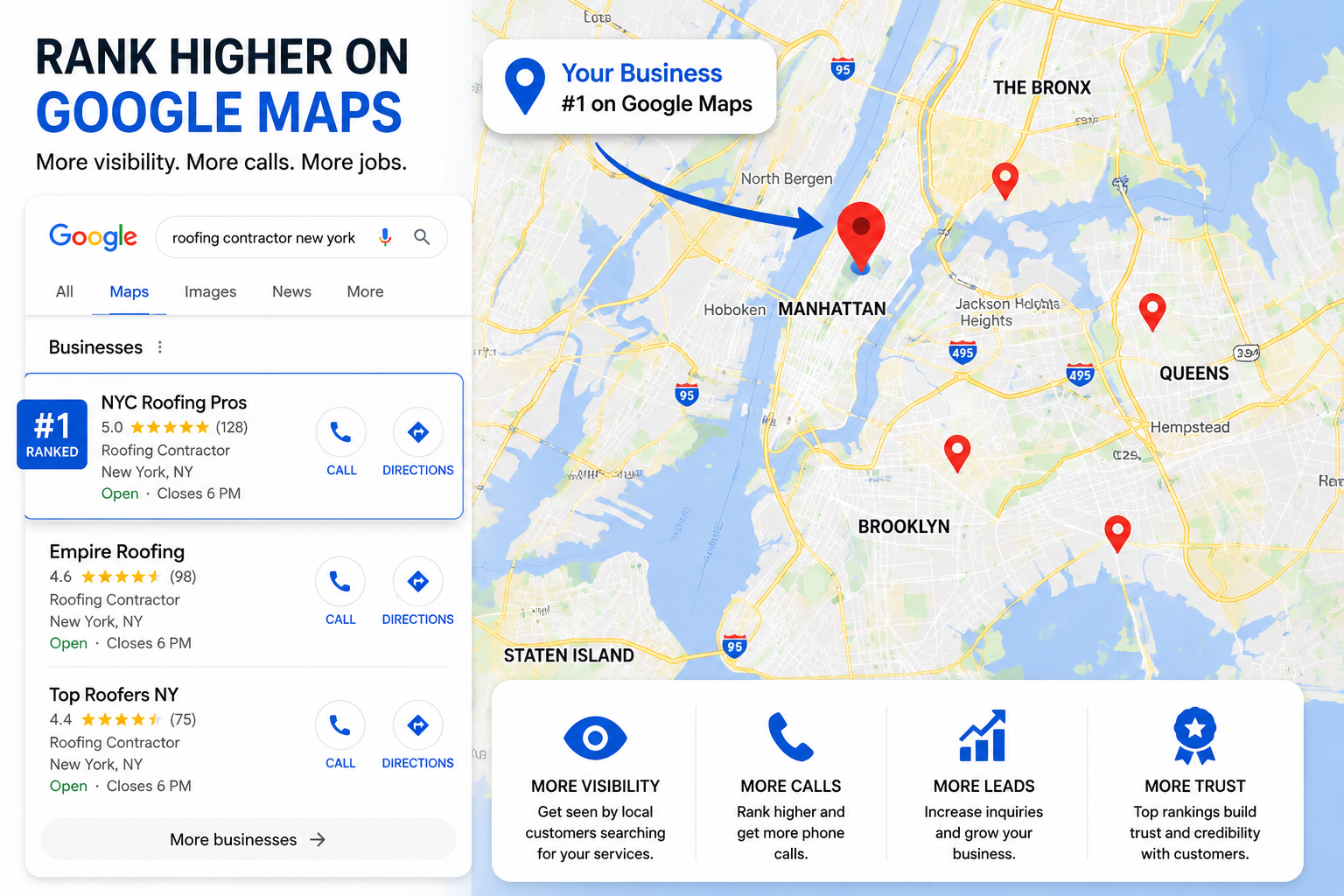
Local SEO focuses on optimizing your website for location-based searches. If you run a local business, targeting keywords that include geographic terms (e.g., “SEO services in New York”) can be highly effective. Google My Business optimization and local citations also play crucial roles in boosting your local search presence.
Best Practices for Local SEO Keyword Search
- Incorporate Location-Based Keywords: Include city names, neighborhoods, or regions in your keywords. For example, “best web design services in NYC.”
- Optimize for ‘Near Me’ Searches: Many users search for services or products near their location. Use keywords like “SEO expert near me” or “jewelry shop near me.”
- Leverage Google My Business: Ensure that your business’s Google My Business profile is fully optimized with relevant keywords and up-to-date information. This is crucial for appearing in local search results.
11. Advanced Keyword Strategies for 2024
As SEO continues to evolve, staying ahead of trends is critical. Here are a few advanced keyword strategies you can implement to dominate the SERPs in 2024.
Topic Clusters and Pillar Pages
Instead of focusing solely on individual keywords, many SEO experts now use topic clusters to build a more comprehensive content structure. A pillar page serves as the main resource for a broad topic, while individual cluster pages cover specific subtopics.
For example, if you have a pillar page on “SEO strategies,” your cluster pages could include subtopics like “on-page SEO,” “technical SEO,” and “link-building strategies.” This approach helps build topical authority and improves internal linking.
Focus on E-A-T (Expertise, Authoritativeness, Trustworthiness)
Google’s algorithms are increasingly prioritizing content that demonstrates E-A-T. To improve E-A-T, ensure that your website:
- Features content written by experts in the field.
- Includes references, citations, and links to authoritative sources.
- Maintains transparency with clear contact information and privacy policies.
User Experience (UX) and Core Web Vitals
In 2024, Google places heavy emphasis on user experience as a ranking factor. Core Web Vitals—a set of metrics that measure website performance—are crucial. These include page load speed, visual stability, and interactivity. Optimizing for Core Web Vitals will not only improve your SEO but also create a better experience for your users.
12. Future Trends in SEO Keyword Search
SEO is constantly changing, and keyword search strategies will continue to evolve in response to new technologies, user behaviors, and Google algorithm updates. Here are some trends to keep an eye on in 2024 and beyond:
- AI-Driven Content: Artificial intelligence is playing a more significant role in content creation and optimization. Tools like ChatGPT can help generate ideas and create content based on keyword analysis.
- Zero-Click Searches: Google is delivering more answers directly on SERPs through features like featured snippets, knowledge panels, and people also ask boxes. This reduces the need for users to click through to websites, making it essential to optimize for these features.
- Search Intent Evolution: As Google’s algorithms continue to understand search intent more effectively, content must align more closely with user intent. Keep adapting your keyword strategies to meet the changing expectations of your audience.
Conclusion
Google SEO keyword search is an integral part of any digital marketing strategy. By understanding the different types of keywords, how Google’s algorithms work, and the latest trends in keyword research, you can develop a successful SEO strategy that boosts your website’s visibility and drives relevant traffic.
In 2024, the focus is not just on finding high-volume keywords but also on understanding user intent, providing high-quality content, and optimizing for new search behaviors like voice search and local SEO. Use the insights from this guide to refine your keyword research process and stay ahead of your competitors in the ever-evolving world of SEO.
By consistently monitoring your keyword performance and adjusting your strategy, you can maintain a strong online presence, attract more visitors, and achieve your business goals.