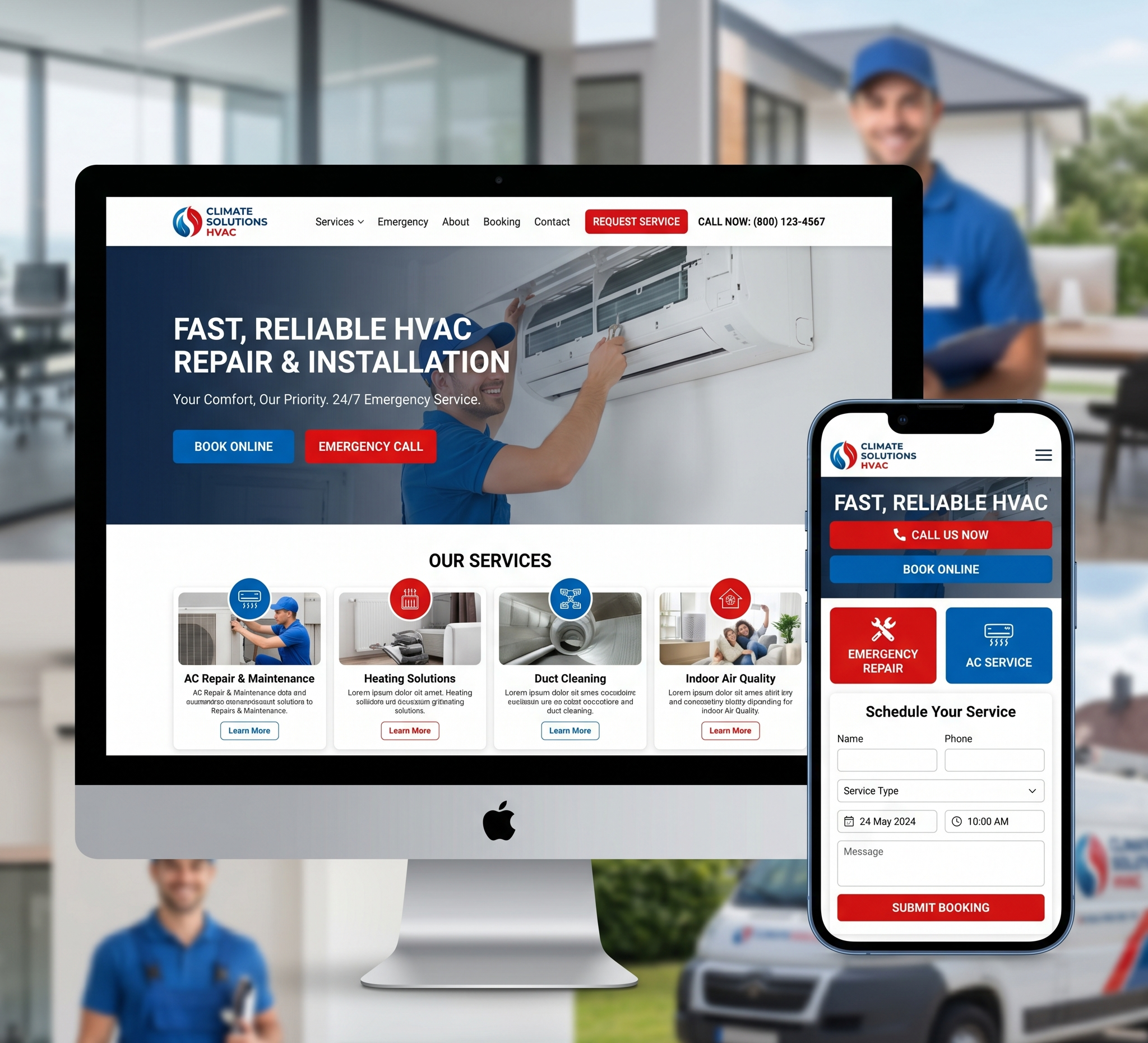

Ecommerce Website Design Best Practices – In the fast-paced and ever-evolving world of e-commerce, a well-designed website is crucial for success. The online marketplace is crowded, and consumers have high expectations when it comes to the functionality and aesthetics of a website. A seamless and visually appealing design can significantly impact user experience, leading to increased conversion rates and customer satisfaction.
Ecommerce Website Design Best Practices: A Comprehensive Guide
In this article, we’ll delve into the best practices for designing an e-commerce website that not only attracts visitors but also keeps them engaged and encourages them to make a purchase.
Ecommerce Website Design Best Practices
1. User-Friendly Navigation
a. Clear and Intuitive Menus
- One of the fundamental aspects of a successful e-commerce website is user-friendly navigation. Visitors should be able to find what they’re looking for easily and quickly. Implement a clear and intuitive menu structure that categorizes products logically. Use concise and descriptive labels for menu items, avoiding jargon that might confuse users.
b. Breadcrumbs
- Incorporate breadcrumbs to provide users with a clear path back to the homepage or previous pages. Breadcrumbs enhance navigation and help visitors understand their location within the site hierarchy.
c. Search Functionality
- Integrate a robust search functionality with auto-suggest features. This helps users find products efficiently, especially when they have a specific item in mind. Include filters and sorting options to refine search results further.
2. Responsive Design
With the increasing use of mobile devices, it’s essential to ensure that your e-commerce website is fully responsive. Responsive design adapts the layout of your site to different screen sizes, providing a seamless experience across desktops, tablets, and smartphones. Google also favors mobile-friendly websites in its search rankings, making responsiveness crucial for search engine optimization (SEO).
3. Visually Appealing Design
a. High-Quality Images
- Visual appeal plays a significant role in e-commerce. Use high-quality images that showcase your products from various angles. Implement zoom features to allow users to inspect products closely. Consistent image sizes and alignment contribute to a polished and professional appearance.
b. Consistent Branding
- Maintain consistent branding elements such as colors, fonts, and logo placement throughout your website. This creates a cohesive and memorable brand identity, instilling trust and confidence in your visitors.
c. Clean and Clutter-Free Layout
- A clutter-free layout with ample white space enhances readability and makes navigation easier. Avoid overcrowding pages with excessive text or images. Prioritize the most critical information, guiding users to key sections of your site.
4. Clear Call-to-Action (CTA) Buttons
Encourage user interaction and guide them towards conversion with clear and compelling call-to-action buttons. Use contrasting colors to make CTA buttons stand out, and employ action-oriented language such as “Buy Now,” “Add to Cart,” or “Shop Today.” Strategically place these buttons on product pages, shopping carts, and other crucial areas of your site.
5. Streamlined Checkout Process
A complicated or lengthy checkout process can lead to cart abandonment. Streamline the checkout process by minimizing the number of steps required to complete a purchase. Implement a guest checkout option to cater to users who prefer not to create an account. Include progress indicators to keep users informed about their current position in the checkout process.
6. Security and Trust Signals
Addressing security concerns is paramount in e-commerce. Display trust signals such as SSL certificates, secure payment icons, and recognizable trust badges prominently on your website. Clearly communicate your privacy policy and assure customers that their personal information is secure. This not only builds trust but also positively influences search engine rankings.
7. Product Pages Optimization
a. Descriptive Product Titles and Descriptions
- Craft clear and descriptive product titles that include relevant keywords. Provide detailed product descriptions that highlight features, benefits, and specifications. This not only assists users in making informed decisions but also contributes to SEO efforts.
b. Customer Reviews and Ratings
- Include customer reviews and ratings on product pages. Positive reviews build credibility and influence purchasing decisions. Respond promptly to negative reviews, demonstrating a commitment to customer satisfaction. The presence of user-generated content also adds fresh and relevant content to your website, benefiting SEO.
c. Cross-Selling and Upselling
- Implement cross-selling and upselling strategies on product pages to encourage users to explore related or upgraded items. Display complementary products or accessories to enhance the shopping experience and potentially increase the average order value.
8. Loading Speed Optimization
Fast loading times are crucial for retaining visitors and improving SEO. Optimize images, use browser caching, and leverage content delivery networks (CDNs) to reduce page loading times. Google considers page speed when determining search rankings, making it essential for both user experience and search engine optimization.
9. Intuitive Shopping Cart Design
a. Visible Cart Icon
- Ensure that the shopping cart icon is prominently displayed and easily visible on all pages. This allows users to quickly check their cart’s contents without navigating away from the current page.
b. Product Thumbnails and Details
- Include product thumbnails and details within the shopping cart for easy reference. Users should be able to review their selections, modify quantities, and proceed to checkout seamlessly.
c. Clear Pricing and Shipping Information
- Display clear and transparent pricing, including taxes and shipping costs, within the shopping cart. Avoid surprising users with additional fees during the checkout process, as this can lead to frustration and cart abandonment.
10. Multi-Channel Integration
Expand your reach by integrating your e-commerce website with various channels, including social media platforms and online marketplaces. This not only increases brand visibility but also allows for a more diverse customer acquisition strategy.
11. Social Proof and Trust Building
a. Social Media Integration
- Incorporate social media elements such as sharing buttons and feeds to encourage user engagement. Showcase user-generated content on your website, demonstrating a vibrant and active community around your brand.
b. Trustworthy About Us Page
- Create a comprehensive “About Us” page that provides information about your company’s history, values, and team. Including photos of your team members adds a personal touch, fostering a sense of trust and transparency.
c. Contact Information and Customer Support
- Make it easy for customers to contact you with prominently displayed contact information. Offer multiple communication channels, such as email, live chat, and phone support. Prompt and helpful customer support contributes to positive reviews and repeat business.
12. Analytics and Data-Driven Decision Making
Implement analytics tools to gather data on user behavior, site traffic, and conversion rates. Analyzing this data can provide valuable insights into user preferences and areas for improvement. Use A/B testing to experiment with different design elements and optimize your website continuously.
13. Legal Compliance and Accessibility
Ensure that your e-commerce website complies with legal requirements, including data protection laws and accessibility standards. Implement alt text for images, provide text descriptions for non-text content, and ensure that your website is navigable and usable for individuals with disabilities.
14. Regular Updates and Maintenance
Regularly update your website with fresh content, new products, and promotions. Perform routine maintenance checks to identify and fix any issues promptly. An outdated or malfunctioning website can deter customers and harm your online reputation.
15. Search Engine Optimization (SEO)
Optimize your e-commerce website for search engines to enhance visibility and attract organic traffic. Conduct keyword research to identify relevant terms for your products and incorporate them into your product titles, descriptions, and meta tags. Focus on creating high-quality, shareable content to earn backlinks and improve your site’s authority.
Conclusion: Ecommerce Website Design Best Practices
Designing a successful e-commerce website involves a delicate balance between aesthetics, functionality, and user experience. By incorporating the best practices outlined in this comprehensive guide, you can create a website that not only meets the expectations of modern consumers but also stands out in a competitive online landscape. Remember that ongoing optimization and responsiveness to user feedback are key to maintaining a thriving e-commerce presence. Stay informed about industry trends, technology advancements, and user preferences to ensure that your website remains a valuable asset for your business.