
Best SEO Ranking Factors of 2024 – In the ever-evolving landscape of digital marketing, staying abreast of the latest trends and algorithms is crucial for online success. Search Engine Optimization (SEO) remains a cornerstone for enhancing a website’s visibility and driving organic traffic. As we step into 2024, the SEO landscape has seen significant changes, with new ranking factors and strategies emerging. In this comprehensive guide, we will delve into the best SEO ranking factors of 2024, providing detailed explanations and actionable insights to help you optimize your website effectively.
Unveiling the Best SEO Ranking Factors of 2024: A Comprehensive Guide to Boosting Your Website’s Performance
A. Content Quality and Relevance
Content has always been king in the realm of SEO, and 2024 is no exception. However, the focus has shifted towards more than just keyword density. Search engines are now prioritizing content that is not only well-written but also highly relevant to user intent. Here’s what you need to consider:
User Intent Optimization:
- Understanding what users are searching for and tailoring your content to meet their intent is crucial. Google’s algorithms are becoming increasingly adept at deciphering user intent, so ensure your content aligns with the searcher’s goals.
Comprehensive and In-Depth Content:
- Long-form, comprehensive content tends to perform well in search engine rankings. Google values content that thoroughly covers a topic, providing value to the user. Aim for content that answers questions comprehensively and adds depth to the discussion.
Multimedia Integration:
- Incorporating multimedia elements like images, videos, and infographics not only enhances user experience but also signals to search engines that your content is rich and engaging. Ensure multimedia elements are relevant and enhance the overall message of the content.
B. Mobile-First Indexing
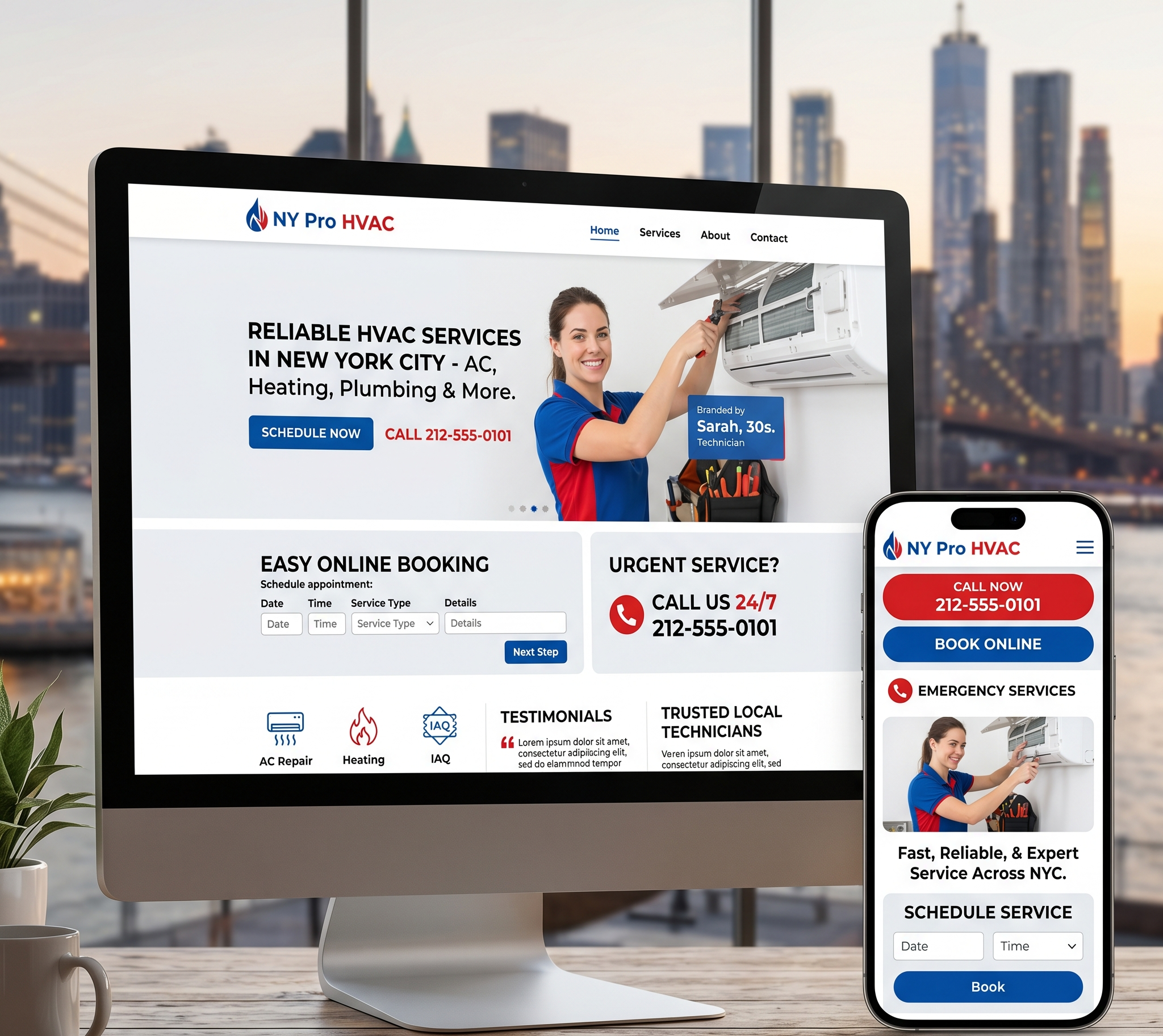
With the exponential rise in mobile device usage, search engines have shifted to mobile-first indexing. This means that Google primarily uses the mobile version of a website for indexing and ranking. To optimize for mobile-first indexing in 2024:
Responsive Design:
- Ensure your website is responsive, adapting seamlessly to various screen sizes. A responsive design not only enhances user experience but also helps your site perform well in mobile search results.
Mobile Page Speed:
- Mobile users are often on slower networks, so optimizing your website for quick loading times on mobile devices is critical. Compress images, leverage browser caching, and minimize server response time to enhance mobile page speed.
Structured Data Markup for Mobile:
- Implement structured data markup to provide additional context to search engines about the content on your mobile pages. This can enhance the visibility of rich snippets in search results.
C. Page Experience and Core Web Vitals
Google’s Core Web Vitals are a set of metrics that measure user experience on a webpage. In 2024, these metrics play a significant role in determining a website’s ranking. The Core Web Vitals include:
Loading Performance (Largest Contentful Paint – LCP):
- This metric measures the time it takes for the main content of a page to load. Aim for an LCP of under 2.5 seconds for optimal performance.
Interactivity (First Input Delay – FID):
- FID gauges the responsiveness of a page by measuring the time it takes for a user to interact with an element on the page, such as clicking a button. Keep FID under 100 milliseconds for a positive user experience.
Visual Stability (Cumulative Layout Shift – CLS):
- CLS assesses the visual stability of a page by measuring unexpected layout shifts during page load. A CLS score of less than 0.1 is considered good. Minimize layout shifts to improve user experience.
Mobile-Friendly and Secure Browsing:
- In addition to the Core Web Vitals, Google continues to prioritize mobile-friendly websites with secure HTTPS connections. Ensure your website is mobile-friendly and has an SSL certificate for secure browsing.
D. Backlinks Quality and Diversity
Backlinks remain a fundamental aspect of SEO, but in 2024, the emphasis is on quality and diversity rather than sheer quantity. Google’s algorithms are adept at discerning between high-quality, relevant backlinks and spammy ones. Here’s what you should focus on:
High-Authority Backlinks:
- Acquiring backlinks from reputable and high-authority websites in your industry or niche carries more weight. Foster relationships with influencers, industry leaders, and other websites with authority to gain quality backlinks.
Diverse Link Profile:
- A diverse link profile with a mix of editorial links, guest posts, social media mentions, and niche-specific directories signals to search engines that your website is a credible and valuable resource. Avoid over-reliance on a single source for backlinks.
Anchor Text Variation:
- Use varied anchor text when acquiring backlinks. Natural anchor text variation appears more organic to search engines and reduces the risk of over-optimization penalties.
E. User Experience (UX) Signals
User experience is integral to SEO, as search engines aim to deliver the best possible results to their users. Positive user experience signals contribute to higher rankings. Key UX factors to focus on in 2024 include:
Site Navigation:
- A user-friendly site structure and navigation enhance the overall experience. Ensure that visitors can easily find the information they seek, with a clear and intuitive navigation menu.
Dwell Time and Bounce Rate:
- Dwell time, the amount of time a user spends on your site, and bounce rate, the percentage of visitors who navigate away after viewing only one page, are crucial metrics. Engaging and relevant content can improve dwell time, while a low bounce rate indicates user satisfaction.
Mobile Responsiveness:
- As mentioned earlier, mobile responsiveness is not only a technical requirement but also a crucial UX factor. A seamless experience on mobile devices contributes to positive user signals.
Page Readability and Accessibility:
- Well-formatted content with readable fonts, appropriate headings, and proper use of whitespace enhances readability. Additionally, ensuring your website is accessible to users with disabilities is not only ethically important but also aligns with search engine guidelines.
F. Artificial Intelligence (AI) and Machine Learning
The integration of AI and machine learning into search algorithms is shaping the SEO landscape in 2024. Search engines are becoming more adept at understanding context, user behavior, and content relevance. Strategies to align with these advancements include:
Natural Language Processing (NLP):
- Develop content that aligns with natural language patterns. With the increasing sophistication of NLP algorithms, search engines can better understand context, semantics, and user intent.
User Behavior Analysis:
- AI algorithms analyze user behavior to determine the relevance and quality of content. Factors such as click-through rates, time spent on page, and social signals contribute to understanding user preferences.
Personalization:
- Search engines are moving towards personalized search results based on individual user preferences and behavior. Tailor your content to address specific user needs and preferences within your target audience.
G. Technical SEO and Site Structure
A solid technical foundation is essential for SEO success. Technical SEO encompasses various aspects, including site speed, crawlability, and structured data. Paying attention to these elements will enhance your website’s overall performance:
Crawl Budget Optimization:
- Ensure that search engine bots can efficiently crawl and index your website. A clean site structure, XML sitemap, and proper use of robots.txt directives contribute to effective crawl budget allocation.
Schema Markup Implementation:
- Use schema markup to provide additional context to search engines about the content on your pages. This can result in rich snippets and enhanced visibility in search results.
Canonicalization and Redirects:
- Address duplicate content issues by implementing canonical tags. Additionally, ensure proper implementation of redirects to maintain link equity when URLs are changed or pages are moved.
Site Speed Optimization:
- Fast-loading websites contribute to a positive user experience and can impact search rankings. Optimize images, leverage browser caching, and minimize server response time to enhance site speed.
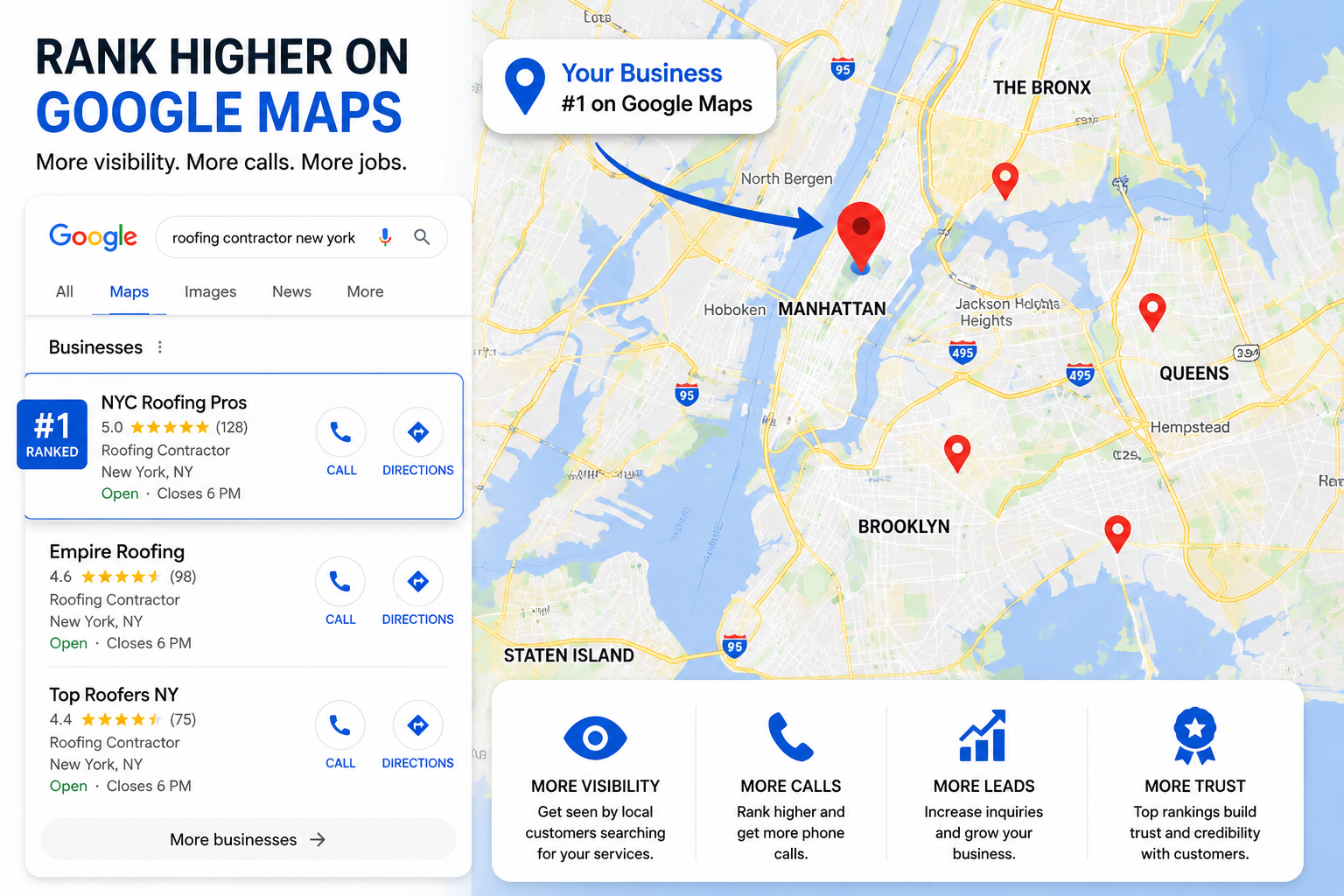
H. Local SEO Factors
For businesses with a physical presence, local SEO factors play a crucial role in online visibility. Local search algorithms are continually evolving, and optimizing for local search is imperative in 2024:
Google My Business Optimization:
- Claim and optimize your Google My Business (GMB) listing with accurate business information, categories, and high-quality images. Encourage positive reviews to enhance your local reputation.
Local Citations:
- Consistent NAP (Name, Address, Phone Number) information across online directories and platforms is vital for local SEO. Ensure your business information is accurate and up-to-date.
Localized Content:
- Tailor your content to address local interests and trends. This can include creating location-specific landing pages, producing content related to local events, and engaging with the local community online.
Local Link Building:
- Acquire backlinks from local businesses, organizations, and community websites. Localized link building signals to search engines that your business is a relevant and authoritative resource in the local area.
I. Social Signals and Brand Mentions
While the direct impact of social signals on SEO rankings remains a topic of debate, there is evidence to suggest that social signals and brand mentions can indirectly influence search engine rankings. Here’s how you can leverage social media for SEO in 2024:
Social Media Engagement:
- Actively engage with your audience on social media platforms. Encourage sharing, commenting, and liking of your content to increase its visibility and potentially attract backlinks.
Brand Mentions:
- Monitor online mentions of your brand and products. Positive brand mentions on social media, forums, and other online platforms contribute to a positive online reputation, which can indirectly impact SEO.
Social Content Syndication:
- Share your content on social media platforms to increase its reach. While social signals may not be direct ranking factors, the visibility gained through social media can lead to increased organic traffic and backlinks.
J. Security and HTTPS
Website security is a top priority for search engines, and having a secure website has been a ranking factor for several years. In 2024, the emphasis on security is stronger than ever:
SSL Certificate (HTTPS):
- Ensure your website is served over a secure HTTPS connection. Google Chrome and other browsers display warnings for non-secure sites, impacting user trust and potentially leading to lower rankings.
Regular Security Audits:
- Conduct regular security audits of your website to identify and address potential vulnerabilities. This includes keeping software, plugins, and CMS platforms up-to-date to prevent security breaches.
Protection Against Cyber Threats:
- Implement measures to protect your website from cyber threats, such as malware and phishing attacks. Google is keen on promoting a safe online environment, and a secure website aligns with this objective.
Conclusion: Best SEO Ranking Factors of 2024
In conclusion, the SEO landscape in 2024 is characterized by a holistic approach that goes beyond traditional ranking factors. While keywords, backlinks, and on-page optimization remain crucial, a comprehensive strategy that incorporates content quality, user experience, and technical SEO is essential for sustainable success.
Staying abreast of the latest algorithm updates, technological advancements, and user behavior trends is paramount. Regularly auditing and optimizing your website based on these best practices will not only improve your search engine rankings but also enhance the overall user experience, driving sustained organic traffic to your website. Remember, SEO is an ongoing process, and adapting to the evolving digital landscape is key to maintaining and improving your online presence in 2024 and beyond.