
20 Best Practices for Effective Social Media Marketing
In today’s digital age, social media has become an indispensable tool for businesses to connect with their target audience, build brand awareness, and drive sales. With billions of active users across various platforms, social media marketing offers unparalleled opportunities for businesses to reach and engage their potential customers. However, the key to success lies in adopting the right strategies and best practices. In this blog, we will explore 20 best practices for effective social media marketing that can help businesses maximize their online presence and achieve their marketing goals.
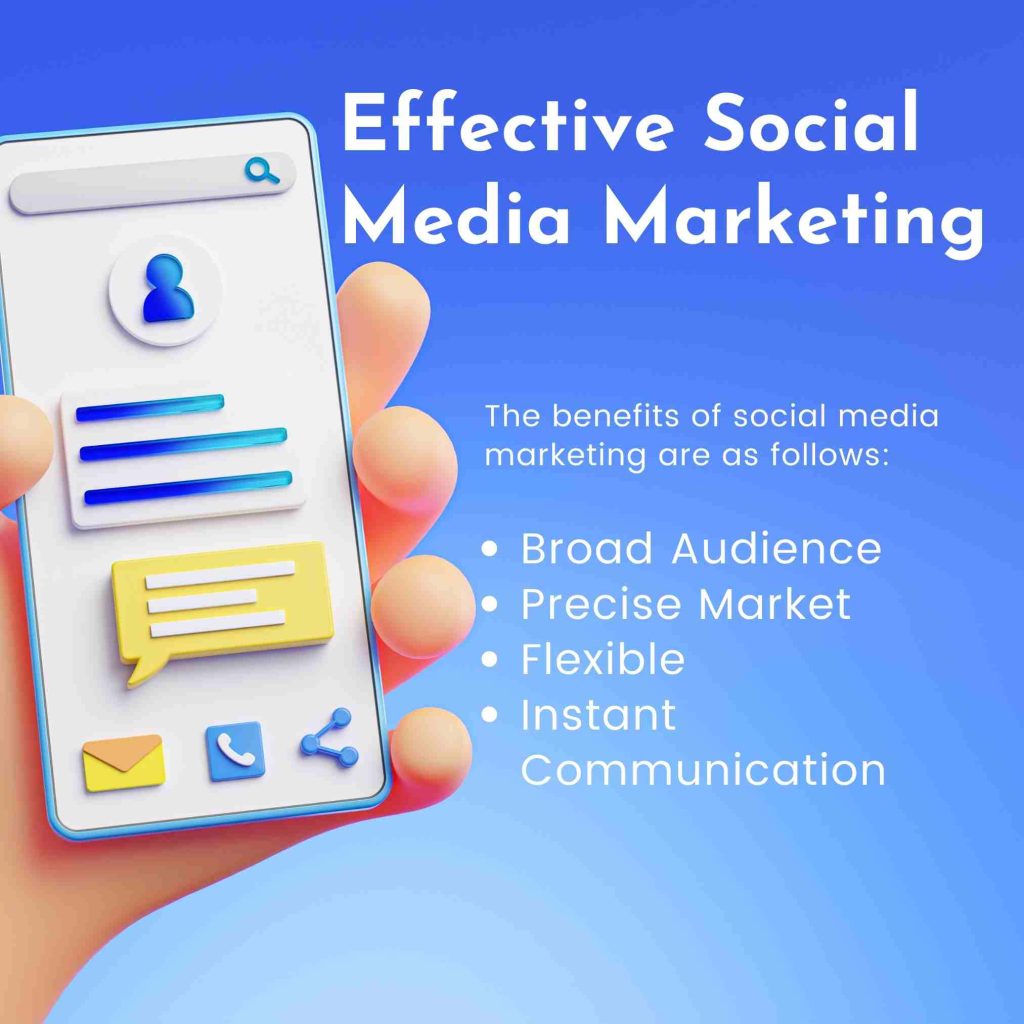
Effective Social Media Marketing
1. Define Clear Goals
Before embarking on any social media marketing campaign, it is essential to establish clear and measurable goals. Whether it’s increasing brand awareness, driving website traffic, generating leads, or boosting sales, setting specific objectives will provide a roadmap for your efforts and help you gauge success.
2. Know Your Audience
Understanding your target audience is fundamental to crafting a successful social media strategy. Conduct research to identify their demographics, interests, pain points, and preferences. Use this information to create content that resonates with your audience and sparks engagement.
3. Choose the Right Platforms
Rather than being present on every social media platform, focus on the ones that align with your target audience and business objectives. For example, B2B companies might find LinkedIn more effective, while visually-driven businesses may thrive on Instagram and Pinterest.
4. Consistent Branding
Maintain a consistent brand image across all social media channels. Use the same logo, color palette, and tone of voice to reinforce brand recognition and trust among your audience.
5. Create Engaging Content
Quality content is the heart of any successful social media marketing strategy. Strive to produce valuable, entertaining, and shareable content that encourages likes, comments, and shares. Mix up content formats such as videos, images, infographics, and blog posts to keep your feed fresh and engaging.
6. Optimize the Posting Schedule
Timing is crucial on social media. Determine the optimal posting times based on your audience’s online behavior and time zones. Use social media management tools to schedule posts and maintain a consistent posting frequency.
7. Leverage Visual Content
Visuals play a significant role in capturing attention on social media. Invest in high-quality images and videos that are relevant to your brand and content. Infographics are excellent for presenting data and information in an engaging and shareable format.
8. Interact and Respond Promptly
Social media is a two-way communication channel. Engage with your audience by responding to comments, messages, and mentions promptly. Show appreciation for positive feedback and address any negative feedback professionally and empathetically.
9. Utilize Influencer Marketing
Collaborating with influencers can expand your reach and credibility within your target market. Partner with influencers who align with your brand and have a genuine connection with their followers.
10. Encourage User-Generated Content (UGC)
UGC is a powerful way to build trust and social proof. Encourage your audience to create and share content featuring your products or services. Repost UGC on your channels, giving proper credit to the creators.
11. Monitor and Analyze Performance
Regularly track your social media metrics to assess the effectiveness of your campaigns. Analyze data on reach, engagement, click-through rates, conversions, and audience demographics. Use these insights to refine your strategies and make data-driven decisions.
12. Run Contests and Giveaways
Contests and giveaways are excellent tactics for driving engagement and increasing brand visibility. Encourage users to participate by offering enticing prizes and making the entry process simple and shareable.
13. Invest in Social Media Advertising
Paid social media advertising can complement your organic efforts and reach a wider audience. Platforms like Facebook, Instagram, and Twitter offer targeted ad options to reach specific demographics and interests.
14. Use Hashtags Wisely
Hashtags can expand your reach and improve discoverability. Research relevant and popular hashtags within your niche and include them strategically in your posts.
15. Monitor and Respond to Trends
Stay updated with the latest trends and memes that are relevant to your brand. If appropriate, incorporate these trends into your content to showcase your brand’s relevance and personality.
16. Build Relationships with Influential Accounts
Interact with influential accounts, industry leaders, and related businesses. Engaging with them through likes, comments, and shares can expose your brand to a broader audience and lead to potential partnerships.
17. Optimize Your Profiles
Ensure that your social media profiles are complete, accurate, and optimized. Use descriptive and keyword-rich bios, profile pictures, and cover photos that reflect your brand identity.
18. Test and Iterate
Social media marketing is an evolving landscape. Experiment with different content formats, posting times, and strategies. Analyze the results and refine your approach based on what works best for your audience.
19. Offer Value and Educational Content
Position your brand as an authority in your industry by providing valuable and educational content. Share informative articles, guides, and tutorials that address your audience’s pain points and questions.
20. Stay Authentic and Transparent
Authenticity and transparency build trust with your audience. Be genuine in your interactions, avoid misleading content, and admit mistakes when they occur. Building a loyal community requires honesty and sincerity.
Conclusion
Mastering social media marketing requires dedication, consistency, and a willingness to adapt. By following these 20 best practices, businesses can create a strong social media presence, engage their audience effectively, and ultimately achieve their marketing objectives. Remember, social media is not just about promoting your brand; it’s about building meaningful connections and delivering value to your audience. Embrace the power of social media, and you’ll unlock endless opportunities for growth and success in the digital landscape.


