
What Helps SEO? Search Engine Optimization (SEO) is the backbone of online visibility and digital success. In the ever-evolving landscape of the internet, staying ahead in the SEO game requires a deep understanding of the various factors that influence search engine rankings. In this comprehensive guide, we will delve into the intricacies of what helps SEO, offering detailed explanations and insights into the strategies and best practices that can propel your website to the top of search engine results pages (SERPs).
Comprehensive Guide: What Helps SEO – Strategies for Search Engine Optimization Success
Table of Contents: What Helps SEO?
1. Introduction to SEO
- Understanding the Basics
- Importance of SEO in Digital Marketing
2. Technical SEO
- Website Structure and Navigation
- Mobile Optimization
- Page Speed
- Secure and Accessible Websites
3. On-Page SEO
- Keyword Research
- High-Quality Content
- Title Tags and Meta Descriptions
- Header Tags (H1, H2, H3, etc.)
- URL Structure
4. Off-Page SEO
- Backlink Building
- Social Media Signals
- Online Reputation Management
- Influencer Marketing
5. Local SEO
- Google My Business Optimization
- Local Citations
- Customer Reviews
- Local Link Building
6. Content Marketing
- Content Quality and Relevance
- Blogging and Long-Form Content
- Multimedia Content (Images, Videos, Infographics)
- User Engagement Metrics
7. User Experience (UX) and SEO
- Responsive Design
- Intuitive Navigation
- Dwell Time and Bounce Rate
- Mobile-Friendly Experience
8. SEO Analytics and Monitoring
- Google Analytics
- Google Search Console
- SEO Tools and Platforms
- Key Performance Indicators (KPIs)
9. Algorithm Updates and Adaptation
- Google Algorithm Changes
- Staying Informed
- Adapting to Updates
- Case Studies on Algorithm Adaptation
10. International SEO
- Geotargeting
- Multilingual Content
- International Link Building
- Country Code Top-Level Domains (ccTLDs)
11. E-A-T: Expertise, Authoritativeness, Trustworthiness
- Building Trust with Users
- Authorship and Author Reputation
- Credible Sources and Citations
- Case Studies on E-A-T Implementation
12. Voice Search Optimization
- Rise of Voice Search
- Natural Language Processing
- Structured Data Markup
13. Conclusion
1. Introduction to SEO
Understanding the Basics
- SEO, in its essence, is the practice of optimizing a website to enhance its visibility on search engine results pages. The ultimate goal is to attract organic (non-paid) traffic and improve the quality and quantity of visitors to a website. Search engines, particularly Google, use complex algorithms to determine the relevance and authority of web pages, influencing their ranking in search results.
Importance of SEO in Digital Marketing
- In the vast digital landscape, where millions of websites vie for attention, SEO acts as a crucial tool for businesses and individuals aiming to stand out. A well-optimized website not only ranks higher on search engines but also provides a better user experience, leading to increased credibility and trust among users.
2. Technical SEO
Website Structure and Navigation
- The structure of your website plays a pivotal role in SEO. A well-organized and logically structured website makes it easier for search engines to crawl and index its content. Clean and simple navigation not only benefits search engines but also enhances the user experience.
Mobile Optimization
- With the increasing use of mobile devices, mobile optimization is no longer an option but a necessity. Google prioritizes mobile-friendly websites, and having a responsive design ensures that your site is accessible and user-friendly across various devices.
Page Speed
- Page speed is a critical factor in SEO. Users expect websites to load quickly, and search engines take page speed into account when determining rankings. Compressing images, using browser caching, and optimizing code are essential for improving page speed.
Secure and Accessible Websites
- Security is paramount in today’s digital landscape. Secure websites with HTTPS encryption gain favor with search engines. Additionally, ensuring that your website is accessible to users with disabilities not only broadens your audience but also aligns with search engine accessibility standards.
3. On-Page SEO
Keyword Research
- Keyword research is the foundation of on-page SEO. Identifying relevant keywords and strategically incorporating them into your content helps search engines understand the context of your pages. Tools like Google Keyword Planner and SEMrush can aid in comprehensive keyword research.
High-Quality Content
- Content is king in the world of SEO. Creating high-quality, relevant, and valuable content not only attracts users but also establishes your website’s authority. Content should be engaging, informative, and tailored to meet the needs of your target audience.
Title Tags and Meta Descriptions
- Title tags and meta descriptions are essential elements that contribute to click-through rates from search results. Craft compelling and concise title tags that accurately represent your content, and write meta descriptions that encourage users to click on your link.
Header Tags (H1, H2, H3, etc.)
- Header tags structure your content and signal its hierarchy to search engines. Proper use of header tags improves the readability of your content and helps search engines understand the main topics on a page.
URL Structure
- A clean and descriptive URL structure contributes to a better user experience and aids search engines in understanding the content of a page. Avoid long, convoluted URLs and include relevant keywords when possible.
4. Off-Page SEO
Backlink Building
- Backlinks, or inbound links, from reputable websites are a powerful signal of a page’s authority. Focus on building high-quality, relevant backlinks through outreach, guest posting, and networking within your industry.
Social Media Signals
- While social media signals may not directly impact search rankings, a strong social media presence contributes to brand visibility and can indirectly influence SEO. Share your content on social platforms to reach a broader audience.
Online Reputation Management
- Maintaining a positive online reputation is crucial for SEO. Respond to customer reviews, address concerns promptly, and encourage satisfied customers to leave positive feedback. A positive online reputation builds trust with both users and search engines.
Influencer Marketing
- Collaborating with influencers in your industry can result in quality backlinks and increased visibility. Influencers can amplify your content and bring it to the attention of a larger audience, positively impacting your SEO efforts.
5. Local SEO
Google My Business Optimization
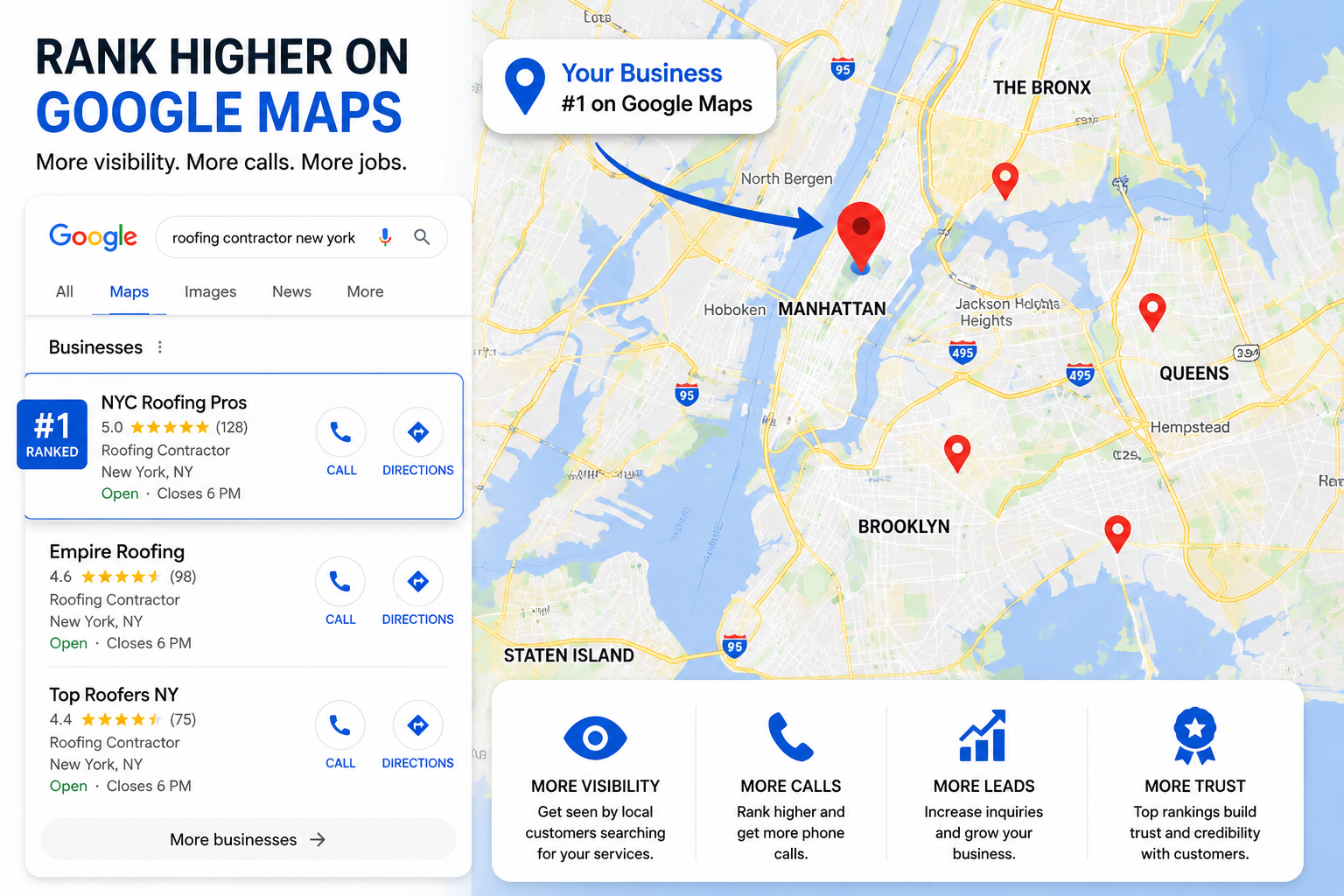
- For businesses with a physical presence, optimizing your Google My Business (GMB) listing is essential for local SEO. Ensure that your business information is accurate, and encourage customers to leave reviews.
Local Citations
- Consistent business information across online directories and platforms is crucial for local SEO. Maintain accurate NAP (Name, Address, Phone Number) data to enhance your local search presence.
Customer Reviews
- Positive customer reviews not only contribute to a positive online reputation but also influence local search rankings. Encourage satisfied customers to leave reviews on platforms like Google, Yelp, and other relevant review sites.
Local Link Building
- Building locally relevant backlinks strengthens your website’s authority in local searches. Partner with local businesses, sponsor local events, and engage in community outreach to build a strong local link profile.
6. Content Marketing
Content Quality and Relevance
- Creating valuable and relevant content is the cornerstone of content marketing. Content that addresses the needs and interests of your target audience is more likely to be shared and linked to by other websites.
Blogging and Long-Form Content
- Maintaining a blog allows you to regularly publish fresh content, signaling to search engines that your website is active and relevant. Long-form content, in-depth articles, and comprehensive guides often perform well in search results.
Multimedia Content (Images, Videos, Infographics)
- Diversify your content with multimedia elements. Images, videos, and infographics not only enhance the user experience but also provide opportunities for optimization through alt text, captions, and video transcripts.
User Engagement Metrics
- User engagement metrics, such as bounce rate, dwell time, and click-through rate, are indirect signals that search engines use to gauge the quality of your content. Engaging content that keeps users on your site can positively impact rankings.
7. User Experience (UX) and SEO
Responsive Design
- A responsive design ensures that your website adapts to different screen sizes and devices. Google prioritizes mobile-friendly websites, and a responsive design is crucial for providing a seamless user experience.
Intuitive Navigation
- Clear and intuitive navigation helps users find what they’re looking for quickly. A well-organized menu structure and internal linking contribute to a positive user experience and facilitate search engine crawling.
Dwell Time and Bounce Rate
- Dwell time, the amount of time a user spends on your site, and bounce rate, the percentage of visitors who navigate away after viewing only one page, are metrics that indicate user satisfaction. High dwell time and low bounce rate are favorable for SEO.
Mobile-Friendly Experience
- Given the prevalence of mobile device usage, optimizing for a mobile-friendly experience is imperative. Test your website on various devices and ensure that all features and content are accessible and functional on mobile.
8. SEO Analytics and Monitoring
Google Analytics
- Google Analytics provides valuable insights into website traffic, user behavior, and the effectiveness of your SEO strategies. Monitor key metrics such as organic traffic, conversion rates, and user engagement to measure the success of your SEO efforts.
Google Search Console
- Google Search Console is a powerful tool for monitoring your website’s performance in Google search results. It provides information on indexing status, search queries, and potential issues that may affect your site’s visibility.
SEO Tools and Platforms
- Utilize a variety of SEO tools and platforms to gain deeper insights into your website’s performance and competitive landscape. Tools like SEMrush, Ahrefs, and Moz can assist in keyword research, backlink analysis, and rank tracking.
Key Performance Indicators (KPIs)
- Establish key performance indicators (KPIs) to measure the success of your SEO campaigns. KPIs may include organic traffic growth, keyword rankings, conversion rates, and other metrics relevant to your business goals.
9. Algorithm Updates and Adaptation
Google Algorithm Changes
- Google regularly updates its search algorithms to deliver more accurate and relevant results to users. Stay informed about major algorithm changes and understand how they may impact your website’s visibility.
Staying Informed
- Follow reputable SEO blogs, industry news, and Google’s official announcements to stay informed about the latest trends and updates in the world of SEO. Being proactive in adapting to changes is crucial for maintaining and improving rankings.
Adapting to Updates
- When algorithm updates occur, assess the impact on your website and make necessary adjustments. This may involve updating content, improving site speed, enhancing security measures, or revising your overall SEO strategy.
Case Studies on Algorithm Adaptation
- Explore case studies of websites that successfully adapted to algorithm changes. Learn from their strategies and tactics, and apply relevant insights to your own SEO efforts. Case studies provide real-world examples of effective adaptation.
10. International SEO
Geotargeting
- Geotargeting involves tailoring your content and SEO strategy to specific geographic locations. This is crucial for businesses targeting an international audience or operating in multiple regions.
Multilingual Content
- If your target audience speaks multiple languages, consider creating multilingual content. This not only enhances user experience but also signals to search engines that your site is relevant to users in different language preferences.
International Link Building
- Building links from websites in different countries can strengthen your international SEO efforts. Seek opportunities for collaboration and outreach to websites with a global audience.
Country Code Top-Level Domains (ccTLDs)
- Using country code top-level domains (ccTLDs) can enhance your website’s visibility in specific countries. For example, using .uk for the United Kingdom or .de for Germany. However, this approach should align with your international SEO strategy.
11. E-A-T: Expertise, Authoritativeness, Trustworthiness
Building Trust with Users
- Trust is a critical factor in SEO. Building trust with users involves providing accurate information, maintaining transparency, and delivering a positive user experience. Trustworthy websites are more likely to be rewarded with higher rankings.
Authorship and Author Reputation
- Establishing authorship for your content can enhance its credibility. Additionally, building a positive reputation for authors and contributors can influence how search engines assess the expertise and authority of your content.
Credible Sources and Citations
- When creating content, cite credible sources and provide references where necessary. This not only adds value to your content but also contributes to the overall trustworthiness of your website in the eyes of both users and search engines.
Case Studies on E-A-T Implementation
- Explore case studies of websites that effectively implemented expertise, authoritativeness, and trustworthiness strategies. Understanding how others have successfully built trust can provide valuable insights for your own E-A-T implementation.
12. Voice Search Optimization
Rise of Voice Search
- The increasing prevalence of voice-activated devices has led to a surge in voice searches. Optimizing your content for voice search involves understanding natural language queries and creating content that answers specific questions.
Natural Language Processing
- Voice search relies on natural language processing (NLP) technology to understand and interpret user queries. Tailor your content to match the conversational tone of voice searches and provide concise, informative answers.
Structured Data Markup
- Implementing structured data markup helps search engines better understand the context of your content. This is especially important for voice search, as it provides additional information that can be used to generate rich snippets in search results.
Conversational Content
- Create content that is conversational and addresses the specific needs of users making voice queries. Anticipate common questions related to your content and provide clear, concise answers.
Conclusion: What Helps SEO?
Search Engine Optimization is a multifaceted and ever-evolving discipline that requires a holistic approach. By understanding and implementing the strategies and best practices outlined in this guide, you can enhance your website’s visibility, attract organic traffic, and improve your overall online presence.
Remember, SEO is a long-term investment, and success often requires patience and persistence. Stay informed about industry trends, adapt to algorithm updates, and consistently refine your strategy based on performance data. With a comprehensive and strategic approach to SEO, your website can thrive in the competitive digital landscape.