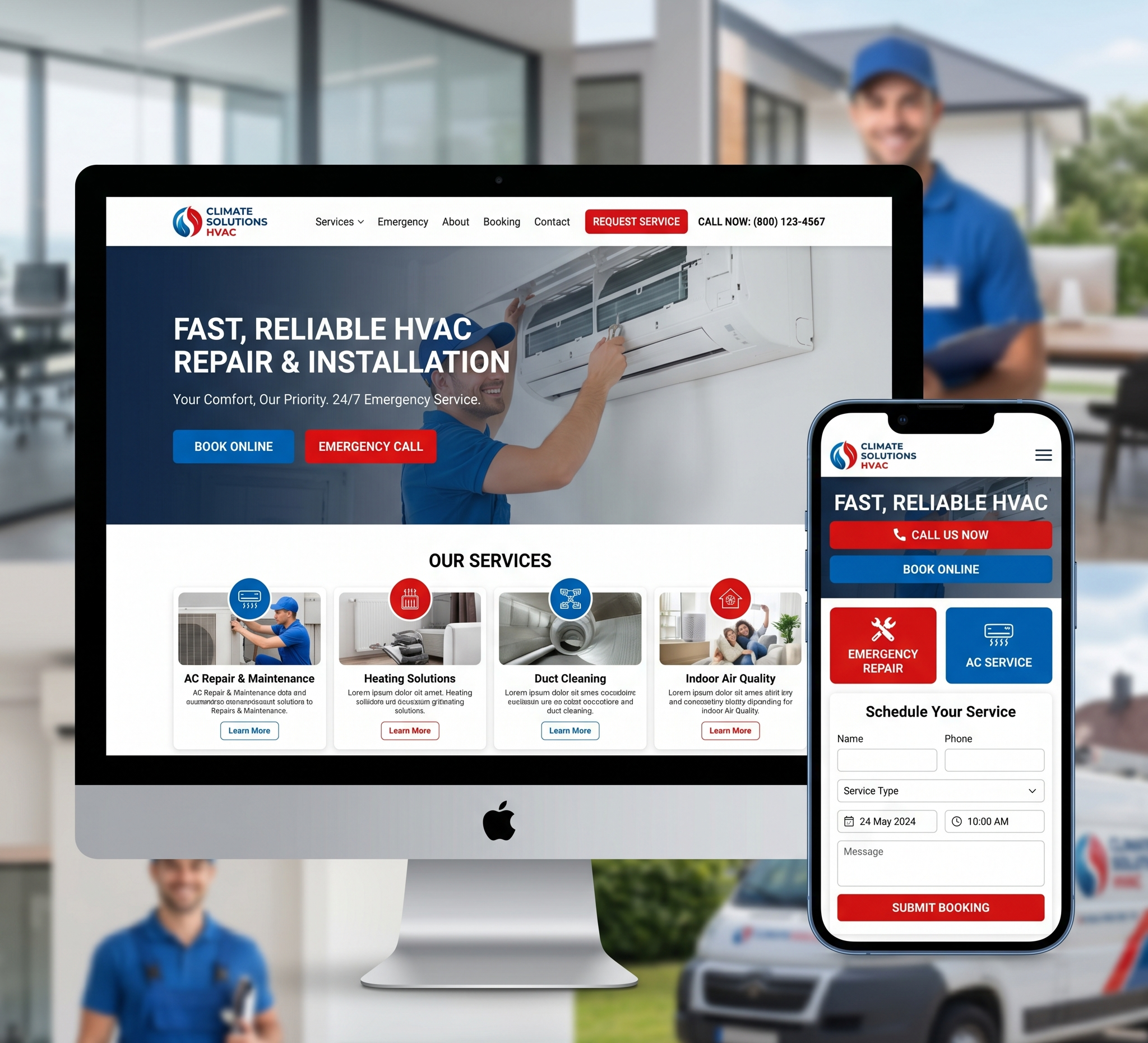

Website Maintenance Services – In the digital age, a well-maintained website is essential for any business, organization, or individual looking to establish and maintain an online presence. Website maintenance services play a critical role in ensuring that your site remains secure, functional, and up-to-date. This comprehensive guide will delve into the various aspects of website maintenance, explaining what it involves, why it’s important, and how to choose the right service provider for your needs.
Comprehensive Guide to Website Maintenance Services
Table of Contents
1. Introduction to Website Maintenance Services
- What is Website Maintenance?
- Why is Website Maintenance Important?
2. Types of Website Maintenance Services
- Regular Updates and Upgrades
- Security Management
- Performance Optimization
- Content Management
- Backup and Recovery
- Technical Support
- SEO and Analytics
3. Key Components of Website Maintenance
- Software and Plugin Updates
- Security Checks and Vulnerability Scanning
- Performance Monitoring and Optimization
- Content Updates and Management
- Backup Solutions
- User Experience Enhancements
- Compliance and Legal Updates
4. Benefits of Regular Website Maintenance
- Improved Security
- Enhanced User Experience
- Better Search Engine Rankings
- Increased Traffic and Engagement
- Cost Savings in the Long Run
- Peace of Mind
5. Choosing the Right Website Maintenance Service Provider
- Assessing Your Needs
- Evaluating Potential Providers
- Key Questions to Ask
- Comparing Costs and Packages
- Reading Reviews and Testimonials
6. DIY Website Maintenance vs. Professional Services
- Pros and Cons of DIY Maintenance
- Advantages of Hiring Professionals
- How to Balance Both Approaches
7. Common Challenges in Website Maintenance
- Handling Security Threats
- Managing Downtime and Errors
- Keeping Up with Technological Changes
- Ensuring Content Relevance
- Budget Constraints
8. Case Studies: Success Stories of Website Maintenance
- Small Business Transformation
- E-commerce Site Optimization
- Non-Profit Organization’s Online Presence
- Corporate Website Overhaul
9. Future Trends in Website Maintenance
- AI and Automation
- Advanced Security Measures
- Personalization and User Experience
- Mobile-First Design
10. Conclusion
1. Introduction to Website Maintenance Services
What is Website Maintenance?
Website maintenance involves a series of tasks aimed at keeping a website running smoothly and efficiently. This includes regular updates, security checks, performance optimization, and content management. Just like maintaining a car or a house, a website requires ongoing care to function properly and remain relevant in a constantly evolving digital landscape.
Why is Website Maintenance Important?
The importance of website maintenance cannot be overstated. A well-maintained website ensures that visitors have a positive experience, which can lead to higher engagement, better conversion rates, and increased trust in your brand. Neglecting website maintenance can result in various issues, such as security vulnerabilities, slow performance, broken links, and outdated content, all of which can harm your online reputation and bottom line.
2. Types of Website Maintenance Services
Website maintenance encompasses a wide range of services, each addressing different aspects of keeping a website in top condition. Here are the primary types of website maintenance services:
Regular Updates and Upgrades
- Websites are built on various platforms, such as WordPress, Joomla, or custom-coded solutions. Regular updates and upgrades are necessary to ensure that the website’s core software, plugins, and themes are up-to-date. These updates often include bug fixes, new features, and security patches that enhance the website’s functionality and security.
Security Management
- Security management involves implementing measures to protect the website from cyber threats, such as hacking, malware, and data breaches. This includes installing security plugins, performing regular security audits, monitoring for suspicious activity, and ensuring that the website complies with security standards and regulations.
Performance Optimization
- Performance optimization focuses on improving the speed and efficiency of the website. This includes optimizing images and code, leveraging caching mechanisms, minimizing server response time, and using Content Delivery Networks (CDNs) to distribute content more effectively. A faster website not only enhances user experience but also positively impacts search engine rankings.
Content Management
- Content management involves updating and managing the website’s content to keep it fresh, relevant, and engaging. This includes adding new blog posts, updating product descriptions, and ensuring that all information is accurate and up-to-date. Effective content management helps attract and retain visitors, improving overall engagement and SEO performance.
Backup and Recovery
- Backup and recovery services ensure that a website’s data is regularly backed up and can be restored in case of data loss or website failure. Regular backups are crucial for protecting valuable data and minimizing downtime in the event of a cyber attack, hardware failure, or human error.
Technical Support
- Technical support services provide assistance with troubleshooting and resolving any technical issues that may arise. This includes addressing website errors, server issues, and compatibility problems. Having access to reliable technical support ensures that any problems can be quickly resolved, minimizing disruption to your website’s operation.
SEO and Analytics
- Search Engine Optimization (SEO) and analytics services focus on improving the website’s visibility in search engine results and analyzing visitor behavior. This includes optimizing on-page elements, conducting keyword research, tracking performance metrics, and making data-driven decisions to enhance the website’s overall effectiveness.
3. Key Components of Website Maintenance
Effective website maintenance involves several key components that work together to ensure the website’s optimal performance. Let’s explore these components in detail:
Software and Plugin Updates
- Keeping the website’s software, plugins, and themes up-to-date is crucial for maintaining security and functionality. Regular updates help patch vulnerabilities, fix bugs, and introduce new features that enhance the website’s performance. It’s essential to monitor and apply updates promptly to prevent security breaches and compatibility issues.
Security Checks and Vulnerability Scanning
- Security checks and vulnerability scanning involve regularly monitoring the website for potential security threats and vulnerabilities. This includes conducting security audits, scanning for malware, and implementing measures to protect against hacking attempts. Ensuring that the website is secure helps build trust with visitors and protects sensitive data.
Performance Monitoring and Optimization
- Performance monitoring and optimization focus on improving the website’s speed and responsiveness. This includes optimizing images, reducing the size of CSS and JavaScript files, enabling browser caching, and using a CDN to deliver content more efficiently. Regular performance monitoring helps identify and address any issues that may impact the website’s loading times and overall user experience.
Content Updates and Management
- Regularly updating and managing the website’s content is essential for keeping it relevant and engaging. This includes adding new blog posts, updating product descriptions, and ensuring that all information is accurate and up-to-date. Fresh and relevant content not only attracts visitors but also improves the website’s SEO performance.
Backup Solutions
- Having a reliable backup solution is crucial for protecting the website’s data and minimizing downtime in the event of data loss or website failure. Regular backups ensure that a copy of the website’s data is always available, allowing for quick recovery in case of an emergency. It’s important to choose a backup solution that offers automated backups, secure storage, and easy restoration.
User Experience Enhancements
- User experience (UX) enhancements focus on improving the overall usability and accessibility of the website. This includes optimizing the website’s navigation, ensuring that it is mobile-friendly, and making it easy for visitors to find the information they need. A positive user experience helps retain visitors and encourages them to engage with the website’s content.
Compliance and Legal Updates
- Ensuring that the website complies with legal and regulatory requirements is essential for avoiding potential legal issues. This includes adhering to data protection regulations, such as the General Data Protection Regulation (GDPR), and ensuring that the website’s terms of service and privacy policy are up-to-date. Regularly reviewing and updating the website’s legal documents helps protect the business and its users.
4. Benefits of Regular Website Maintenance
Regular website maintenance offers numerous benefits that contribute to the overall success of your online presence. Here are some of the key advantages:
Improved Security
- Regular maintenance helps protect the website from security threats by keeping software and plugins up-to-date, conducting security audits, and implementing measures to prevent hacking and malware attacks. A secure website builds trust with visitors and protects sensitive data, reducing the risk of data breaches and legal issues.
Enhanced User Experience
- A well-maintained website provides a positive user experience by ensuring that it loads quickly, is easy to navigate, and contains relevant and up-to-date content. Enhancing the user experience helps attract and retain visitors, encouraging them to engage with the website’s content and take desired actions, such as making a purchase or signing up for a newsletter.
Better Search Engine Rankings
- Regular maintenance, including updating content, optimizing performance, and implementing SEO best practices, helps improve the website’s search engine rankings. Higher rankings in search engine results lead to increased visibility and traffic, driving more visitors to the website and potentially increasing conversions and sales.
Increased Traffic and Engagement
- Regularly updating and managing the website’s content helps attract and retain visitors, increasing overall traffic and engagement. Fresh and relevant content encourages visitors to return to the website, share it with others, and engage with its content, boosting the website’s overall effectiveness.
Cost Savings in the Long Run
- Regular maintenance helps identify and address potential issues before they become major problems, reducing the risk of costly repairs and downtime. By proactively maintaining the website, businesses can save money in the long run and avoid the need for expensive emergency fixes.
Peace of Mind
- Knowing that the website is well-maintained and secure provides peace of mind for business owners and website administrators. Regular maintenance ensures that the website is always in top condition, allowing them to focus on other aspects of their business without worrying about potential issues.
5. Choosing the Right Website Maintenance Service Provider
Selecting the right website maintenance service provider is crucial for ensuring that your website remains secure, functional, and up-to-date. Here are some steps to help you choose the right provider:
Assessing Your Needs
- Before choosing a website maintenance service provider, it’s important to assess your needs and determine what specific services you require. Consider factors such as the size and complexity of your website, your budget, and any specific requirements you may have, such as security or performance optimization.
Evaluating Potential Providers
- Once you have a clear understanding of your needs, you can start evaluating potential providers. Look for providers with a proven track record of delivering high-quality maintenance services, and consider factors such as their experience, expertise, and customer reviews. It’s also important to ensure that the provider offers the specific services you require and can meet your budget and timeline.
Key Questions to Ask
When evaluating potential providers, it’s important to ask key questions to ensure that they can meet your needs. Some questions to consider include:
What specific services do you offer?
- How do you handle security updates and monitoring?
- What is your process for performance optimization and monitoring?
- Do you offer backup and recovery services?
- What is your pricing structure, and what is included in your packages?
- How do you handle technical support and issue resolution?
- Can you provide references or case studies from previous clients?
Comparing Costs and Packages
- Different providers may offer different pricing structures and packages, so it’s important to compare costs and services to ensure that you get the best value for your money. Consider factors such as the scope of services, the frequency of updates and monitoring, and any additional features or benefits that may be included in the package.
Reading Reviews and Testimonials
- Reading reviews and testimonials from previous clients can provide valuable insights into the provider’s reliability, quality of service, and customer satisfaction. Look for reviews on third-party websites, social media, and the provider’s website to get a comprehensive view of their reputation and track record.
6. DIY Website Maintenance vs. Professional Services
When it comes to website maintenance, you have the option of handling it yourself (DIY) or hiring professional services. Each approach has its pros and cons, and it’s important to consider your needs, skills, and resources when deciding which option is best for you.
Pros and Cons of DIY Maintenance
Pros:
- Cost Savings: Handling website maintenance yourself can save money, as you won’t need to pay for professional services.
- Control: You have complete control over the maintenance process and can make changes and updates as needed.
- Learning Opportunity: DIY maintenance provides an opportunity to learn new skills and gain a deeper understanding of your website.
Cons:
- Time-Consuming: Website maintenance can be time-consuming, especially if you lack experience or expertise.
- Risk of Errors: Without the necessary skills and knowledge, you may make mistakes that could harm your website’s performance or security.
- Limited Resources: DIY maintenance may be limited by the tools and resources available to you, potentially impacting the quality and effectiveness of the maintenance.
Advantages of Hiring Professionals
Expertise:
- Professional website maintenance service providers have the expertise and experience to handle all aspects of website maintenance effectively.
- They are knowledgeable about the latest trends, technologies, and best practices, ensuring that your website remains up-to-date and secure.
Time Savings:
- Hiring professionals allows you to focus on other aspects of your business, as they handle all the maintenance tasks for you.
- This can save you significant time and effort, allowing you to concentrate on your core business activities.
Reliability:
- Professional service providers offer reliable and consistent maintenance services, ensuring that your website is always in top condition.
- They can quickly identify and resolve any issues, minimizing downtime and disruption to your website’s operation.
Access to Advanced Tools:
Professional service providers have access to advanced tools and resources that may not be available to individuals.
These tools can enhance the quality and effectiveness of the maintenance, providing better performance, security, and overall results.
How to Balance Both Approaches
For some businesses, a hybrid approach that combines DIY maintenance with professional services may be the best solution. This allows you to handle basic maintenance tasks yourself while relying on professionals for more complex or specialized services. Here are some tips for balancing both approaches:
- Identify the tasks you can handle yourself, such as content updates and basic performance monitoring, and leave more complex tasks, such as security audits and performance optimization, to the professionals.
- Invest in training and resources to enhance your skills and knowledge, allowing you to handle more maintenance tasks effectively.
- Regularly review and assess your maintenance needs to ensure that you are getting the best value from both DIY efforts and professional services.
7. Common Challenges in Website Maintenance
Website maintenance can present various challenges, and it’s important to be aware of these challenges and how to address them effectively. Here are some common challenges in website maintenance:
Handling Security Threats
Challenge:
Cyber threats, such as hacking, malware, and data breaches, pose a significant risk to websites.
Solution:
- Regularly update software and plugins to patch vulnerabilities.
- Implement security measures, such as firewalls, SSL certificates, and security plugins.
- Conduct regular security audits and vulnerability scans to identify and address potential threats.
Managing Downtime and Errors
Challenge:
Website downtime and errors can negatively impact user experience and search engine rankings.
Solution:
- Monitor website performance and uptime to identify and address issues promptly.
- Implement backup and recovery solutions to minimize downtime in case of data loss or website failure.
- Ensure that technical support is available to resolve any issues quickly.
Keeping Up with Technological Changes
Challenge:
The digital landscape is constantly evolving, with new technologies and trends emerging regularly.
Solution:
- Stay informed about the latest trends and best practices in website maintenance.
- Regularly review and update your website to ensure that it remains current and competitive.
- Invest in training and resources to enhance your skills and knowledge.
Ensuring Content Relevance
Challenge:
Keeping content fresh and relevant can be time-consuming and challenging.
Solution:
- Regularly update and manage the website’s content to ensure that it remains accurate and engaging.
- Use content management systems (CMS) to streamline the content update process.
- Plan and schedule content updates to ensure that they are done consistently and effectively.
Budget Constraints
Challenge:
Budget constraints can limit the resources available for website maintenance.
Solution:
- Prioritize maintenance tasks based on their importance and impact on the website’s performance.
- Consider a hybrid approach that combines DIY efforts with professional services to maximize value and minimize costs.
- Look for cost-effective solutions and tools that can enhance the quality and effectiveness of your maintenance efforts.
8. Case Studies: Success Stories of Website Maintenance
Small Business Transformation
Background:
- A small e-commerce business struggled with slow website performance and security issues, impacting user experience and sales.
Solution:
- The business hired a professional website maintenance service provider to conduct a comprehensive audit and implement performance optimization and security measures.
Results:
- Website loading times improved significantly, leading to a better user experience and increased sales.
- Security vulnerabilities were addressed, reducing the risk of data breaches and building trust with customers.
- The business experienced a significant increase in traffic and engagement, contributing to overall growth and success.
E-commerce Site Optimization
Background:
- An online retail store faced challenges with website speed and user experience, resulting in high bounce rates and low conversions.
Solution:
- The store enlisted the help of a website maintenance service provider to optimize performance and enhance user experience.
Results:
- Website speed improved dramatically, leading to lower bounce rates and higher conversions.
- User experience enhancements, such as improved navigation and mobile optimization, increased customer satisfaction and engagement.
- The store saw a significant boost in sales and customer retention, contributing to overall success.
Non-Profit Organization’s Online Presence
Background:
- A non-profit organization struggled with outdated content and security issues on its website, impacting its ability to engage with supporters and donors.
Solution:
- The organization partnered with a website maintenance service provider to update content, implement security measures, and enhance overall performance.
Results:
- Content was updated and managed regularly, ensuring that it remained relevant and engaging for supporters and donors.
- Security vulnerabilities were addressed, protecting sensitive donor information and building trust.
- Website performance and user experience improved, leading to increased engagement and donations.
Corporate Website Overhaul
Background:
A large corporation faced challenges with website performance, security, and outdated design, impacting its online presence and reputation.
Solution:
- The corporation hired a professional website maintenance service provider to conduct a comprehensive overhaul, including performance optimization, security enhancements, and design updates.
Results:
- Website performance improved significantly, leading to a better user experience and higher search engine rankings.
- Security measures were implemented to protect sensitive corporate data and ensure compliance with regulations.
- The updated design and user experience enhancements increased engagement and reinforced the corporation’s brand image.
9. Future Trends in Website Maintenance
The field of website maintenance is constantly evolving, with new technologies and trends shaping the way websites are maintained and optimized. Here are some future trends to watch:
AI and Automation
Trend:
Artificial Intelligence (AI) and automation are becoming increasingly important in website maintenance.
Impact:
- AI-powered tools can automate routine maintenance tasks, such as updates, backups, and performance monitoring, saving time and reducing the risk of errors.
- Machine learning algorithms can analyze website data and provide insights and recommendations for optimization, enhancing overall performance and user experience.
Advanced Security Measures
Trend:
Cyber threats are becoming more sophisticated, necessitating advanced security measures.
Impact:
- Future website maintenance will likely involve more advanced security measures, such as AI-powered threat detection and response, biometric authentication, and blockchain technology for secure data transactions.
- Regular security audits and vulnerability scanning will remain critical to identifying and addressing potential threats.
Personalization and User Experience
Trend:
Personalization and user experience (UX) are becoming increasingly important for engaging and retaining visitors.
Impact:
- Future website maintenance will likely involve more personalized and user-centric approaches, such as personalized content recommendations, adaptive design, and enhanced accessibility features.
- User experience enhancements will focus on providing a seamless and intuitive experience across all devices and platforms.
Mobile-First Design
Trend:
With the increasing use of mobile devices, mobile-first design is becoming a priority for website maintenance.
Impact:
- Future website maintenance will prioritize mobile optimization, ensuring that websites are fully responsive and provide a seamless experience on all devices.
- Mobile-first design will involve optimizing performance, navigation, and content for mobile users, enhancing overall user experience and engagement.
10. Conclusion
Website maintenance is a critical aspect of maintaining a successful online presence. Regular maintenance ensures that your website remains secure, functional, and up-to-date, providing a positive user experience and driving engagement and conversions. By understanding the various aspects of website maintenance and choosing the right service provider, you can ensure that your website remains in top condition and continues to support your business goals.
Whether you choose to handle website maintenance yourself or hire professional services, it’s important to stay informed about the latest trends and best practices, regularly review and update your website, and address any issues promptly to minimize disruption and maximize results. With the right approach and resources, you can ensure that your website remains a valuable asset for your business and continues to support your online success.