In the modern real estate market, having a robust online presence is no longer optional—it’s essential. A well-designed realtor website is a powerful tool that can help you generate leads, provide valuable information to clients, and establish your brand as a trusted authority in the industry. This comprehensive guide will walk you through everything you need to know about realtor website design, from the basics to advanced strategies, ensuring that your website not only looks great but also performs exceptionally well.
The Ultimate Guide to Best Realtor Website Design
Why a Realtor Website is Crucial
Establishing Credibility
- In the real estate industry, credibility is paramount. Prospective clients want to work with realtors they can trust. A professionally designed website showcases your professionalism and establishes you as a credible expert in your field. It serves as a digital storefront that potential clients can visit to learn more about your services, view listings, and get a sense of your brand.
Lead Generation
- Your website is one of the most powerful tools for generating leads. By providing valuable content, offering easy-to-use search tools, and capturing visitor information through forms and calls to action, you can turn your website into a lead generation machine. Effective SEO strategies can also ensure that your website ranks well in search engine results, driving more organic traffic to your site.
Providing Value to Clients
- A well-designed website provides value to your clients by offering them the information they need to make informed decisions. This includes detailed property listings, neighborhood information, market trends, and more. By providing this information, you position yourself as a knowledgeable and helpful resource, which can lead to increased client satisfaction and loyalty.
Enhancing User Experience
- User experience (UX) is a critical component of website design. A website that is easy to navigate, visually appealing, and fast-loading will keep visitors engaged and encourage them to explore more of your content. On the other hand, a poorly designed website can frustrate users and drive them away. By focusing on UX, you can create a positive experience for your visitors that keeps them coming back.
Key Elements of Realtor Website Design
1. Responsive Design
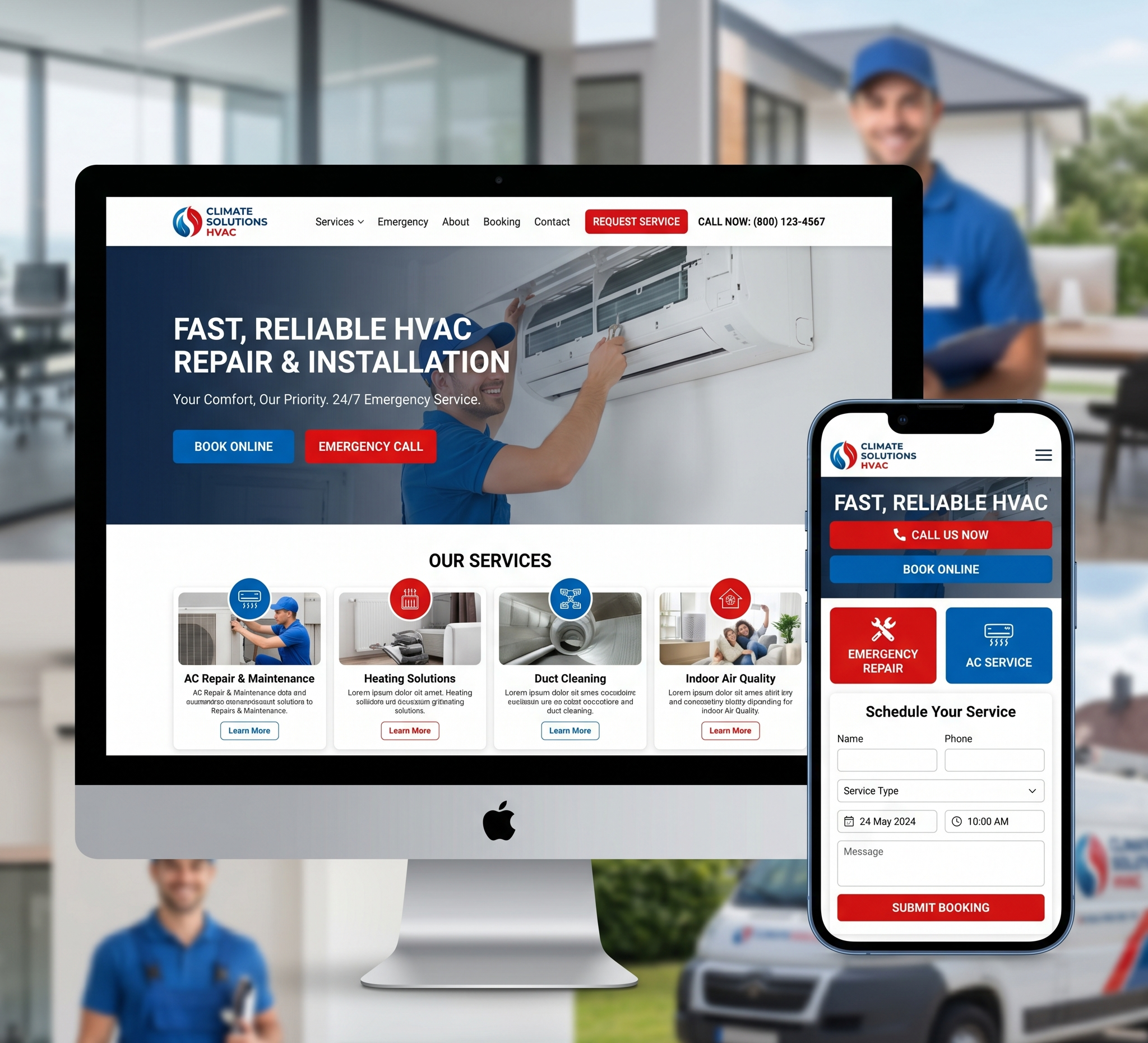
- In today’s mobile-first world, it’s essential that your website is responsive, meaning it looks and functions well on all devices, including desktops, tablets, and smartphones. A responsive design ensures that your content is accessible to all users, regardless of the device they are using. This not only improves the user experience but also boosts your SEO, as search engines prioritize mobile-friendly websites.
2. Intuitive Navigation
- Navigation is one of the most important aspects of website design. Visitors should be able to find the information they are looking for quickly and easily. This means having a clear and logical menu structure, with links to key pages such as property listings, about us, contact, and blog. Dropdown menus and breadcrumb navigation can also help improve usability.
3. High-Quality Visuals
- Real estate is a visual industry, and your website should reflect that. High-quality images and videos of properties are essential for showcasing your listings and attracting potential buyers. Consider investing in professional photography and videography to ensure that your visuals are top-notch. Additionally, use images strategically throughout your website to break up text and add visual interest.
4. Property Listings
- The property listings section is the heart of any realtor website. It should be easy to search, filter, and view listings. Each property should have its own dedicated page with detailed information, including high-quality images, videos, virtual tours, and key details such as price, location, size, and amenities. Integrating MLS (Multiple Listing Service) data can help keep your listings up-to-date.
5. Lead Capture Forms
- Lead capture forms are essential for converting website visitors into leads. These forms should be strategically placed throughout your website, such as on property listing pages, contact pages, and blog posts. Keep the forms simple and easy to fill out, asking only for essential information such as name, email address, and phone number. Offering something of value in exchange for their information, such as a free home valuation or market report, can increase the likelihood of visitors filling out the form.
6. SEO Optimization
- Search engine optimization (SEO) is crucial for driving organic traffic to your website. This involves optimizing your website’s content, structure, and performance to rank higher in search engine results pages (SERPs). Key SEO strategies for realtor websites include keyword research, on-page optimization, creating high-quality content, and building backlinks. Additionally, ensure your website is fast-loading and mobile-friendly, as these factors also impact your SEO.
7. Blog
- A blog is a valuable addition to any realtor website. It allows you to share your expertise, provide valuable information to your audience, and improve your SEO. Regularly publishing high-quality blog posts on topics such as market trends, home buying and selling tips, neighborhood guides, and real estate news can help establish you as an authority in your field and attract more visitors to your website.
8. Testimonials and Reviews
- Social proof is a powerful tool for building trust and credibility. Including testimonials and reviews from satisfied clients on your website can help reassure potential clients that you are a reliable and trustworthy realtor. Consider featuring these testimonials prominently on your homepage and dedicated testimonials page. Video testimonials can be particularly effective, as they add a personal touch and are more engaging than text-based reviews.
9. Contact Information
- Make it easy for potential clients to get in touch with you by prominently displaying your contact information on your website. This should include your phone number, email address, office address, and social media links. A contact form on your contact page can also provide an easy way for visitors to reach out to you. Additionally, consider adding a live chat feature to provide instant assistance to website visitors.
10. Social Media Integration
- Integrating your social media accounts with your website can help you connect with a wider audience and keep visitors engaged with your brand. Include social media icons in your header or footer, and consider adding social media feeds to your homepage or blog. This can help drive traffic to your social media profiles and encourage visitors to follow you for updates and new listings.
Advanced Features for Realtor Websites
1. IDX Integration
- Internet Data Exchange (IDX) integration allows you to display MLS listings directly on your website. This provides visitors with access to a comprehensive and up-to-date database of properties, which can enhance their search experience and keep them on your site longer. IDX integration can also improve your SEO, as it adds fresh and relevant content to your website regularly.
2. Virtual Tours and 3D Walkthroughs
- Virtual tours and 3D walkthroughs are becoming increasingly popular in the real estate industry. These features allow potential buyers to explore properties online, giving them a better sense of the layout and features without having to visit in person. Adding virtual tours and 3D walkthroughs to your property listings can help attract more interest and provide a more immersive experience for your visitors.
3. Advanced Search Filters
- Providing advanced search filters can help visitors find the properties they are looking for more easily. These filters can include options such as price range, property type, number of bedrooms and bathrooms, square footage, and more. By offering a more refined search experience, you can increase the likelihood of visitors finding properties that meet their needs and contacting you for more information.
4. Client Portals
- A client portal is a secure area of your website where clients can log in to access personalized information and resources. This can include saved property searches, favorite listings, and communication with you. Client portals can enhance the client experience by providing them with easy access to the information they need and keeping them engaged with your services.
5. Mortgage Calculators
- Mortgage calculators are a valuable tool for potential buyers, allowing them to estimate their monthly mortgage payments based on factors such as loan amount, interest rate, and loan term. Adding a mortgage calculator to your website can provide added value to your visitors and help them make more informed decisions about their home purchase.
6. Market Reports
- Providing market reports can help establish you as a knowledgeable expert in your local real estate market. These reports can include data on recent sales, price trends, and inventory levels. By offering market reports on your website, you can provide valuable insights to your visitors and keep them informed about the latest market conditions.
7. Neighborhood Guides
- Neighborhood guides are a great way to provide potential buyers with detailed information about the areas you serve. These guides can include information on schools, amenities, transportation, and local attractions. By offering comprehensive neighborhood guides, you can help buyers find the right area for their needs and position yourself as a local expert.
8. Email Marketing Integration
- Integrating email marketing with your website can help you stay in touch with your audience and nurture leads over time. This can include sending regular newsletters, property updates, and market reports. By capturing visitor information through lead forms and offering valuable content through email, you can build a strong relationship with your audience and keep them engaged with your brand.
Best Practices for Realtor Website Design
1. Focus on User Experience
- User experience should be at the forefront of your website design. This means creating a website that is easy to navigate, visually appealing, and fast-loading. Pay attention to details such as font size and color, button placement, and overall layout. Conducting usability testing can help you identify any issues and make improvements to ensure a seamless user experience.
2. Optimize for SEO
- SEO is essential for driving organic traffic to your website. This involves optimizing your content, structure, and performance to rank higher in search engine results. Key SEO strategies include conducting keyword research, optimizing on-page elements such as titles, meta descriptions, and headers, creating high-quality content, and building backlinks. Regularly monitoring your SEO performance and making adjustments as needed can help you stay competitive in search engine rankings.
3. Use High-Quality Visuals
- As mentioned earlier, high-quality visuals are crucial for a realtor website. Invest in professional photography and videography to showcase your listings in the best possible light. Use images and videos strategically throughout your website to add visual interest and break up text. Additionally, optimize your images for web to ensure fast loading times.
4. Keep Your Content Fresh
- Regularly updating your website with fresh content can help keep visitors engaged and improve your SEO. This can include adding new property listings, publishing blog posts, and updating market reports. By consistently providing valuable and up-to-date information, you can establish yourself as a reliable resource for your audience.
5. Provide Clear Calls to Action
- Clear and compelling calls to action (CTAs) are essential for converting website visitors into leads. These CTAs should be strategically placed throughout your website, such as on property listing pages, blog posts, and contact pages. Use action-oriented language and make it easy for visitors to take the next step, whether that’s filling out a form, scheduling a consultation, or contacting you directly.
6. Ensure Mobile-Friendliness
- With more people using mobile devices to browse the internet, it’s essential that your website is mobile-friendly. This means ensuring that your website looks and functions well on all devices, including smartphones and tablets. A responsive design is key to achieving this, as it adjusts the layout and content of your website based on the screen size of the device being used.
7. Monitor and Analyze Performance
- Regularly monitoring and analyzing your website’s performance can help you identify areas for improvement and make data-driven decisions. Use tools such as Google Analytics to track key metrics such as traffic, bounce rate, and conversion rate. Additionally, conduct regular audits of your website to ensure that it is performing well and meeting your goals.
Conclusion: Realtor Website Design
A well-designed realtor website is an invaluable tool for generating leads, providing value to clients, and establishing your brand as a trusted authority in the real estate industry. By focusing on key elements such as responsive design, intuitive navigation, high-quality visuals, and effective SEO, you can create a website that not only looks great but also performs exceptionally well. Additionally, incorporating advanced features such as IDX integration, virtual tours, and client portals can enhance the user experience and set your website apart from the competition. By following best practices and continually monitoring and improving your website, you can ensure that it remains a powerful asset for your real estate business.