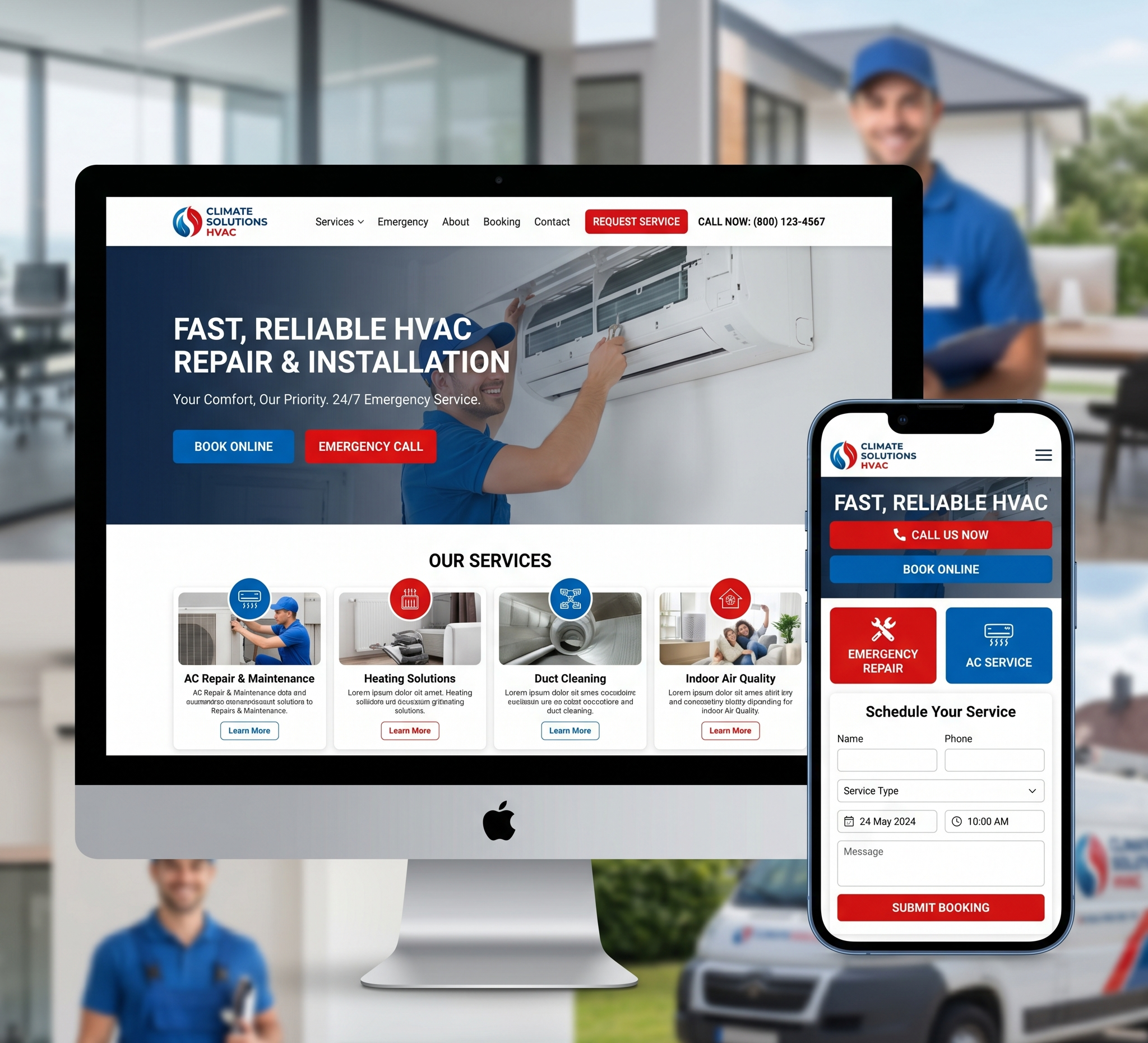

Modern Web Design Without Code – In the rapidly evolving landscape of web design, the traditional notion of coding as a prerequisite skill is being challenged. Thanks to advancements in technology and the emergence of intuitive design tools, creating stunning websites without writing a single line of code has become not only feasible but also increasingly popular. This paradigm shift has democratized web design, allowing individuals and businesses alike to bring their visions to life with greater ease and efficiency. In this comprehensive guide, we will explore the world of modern web design without code, delving into the tools, techniques, and trends that are shaping the future of digital creativity.
Modern Web Design Without Code: Unlocking Creativity and Efficiency
A. Understanding Modern Web Design
Before we delve into the specifics of designing websites without code, let’s first establish a clear understanding of what modern web design entails. In essence, web design encompasses the process of conceptualizing, planning, and creating visual elements for websites. This includes everything from layout and navigation to typography and color schemes. In the past, achieving these design goals often required proficiency in programming languages such as HTML, CSS, and JavaScript. However, with the advent of no-code and low-code tools, designers can now achieve comparable results without the need for coding expertise.
B. The Rise of No-Code and Low-Code Platforms
No-code and low-code platforms have emerged as game-changers in the field of web design, empowering individuals with varying levels of technical proficiency to build sophisticated websites. These platforms leverage intuitive drag-and-drop interfaces, pre-built templates, and customizable elements to streamline the design process. Whether you’re a seasoned designer looking to expedite your workflow or a novice seeking to create your first website, these platforms offer a user-friendly alternative to traditional coding.
C. Key Features of No-Code and Low-Code Platforms
Drag-and-Drop Interface:
- One of the hallmarks of no-code and low-code platforms is their intuitive drag-and-drop interface. This allows users to simply drag elements such as text boxes, images, and buttons onto the canvas and position them as desired. This visual approach to design eliminates the need to write code manually, making the process more accessible to beginners.
Pre-Built Templates:
- No-code and low-code platforms often come equipped with a vast library of pre-built templates covering various industries and design styles. These templates serve as starting points for users, providing them with a foundation upon which to build their websites. From e-commerce sites to portfolio pages, these templates cater to a wide range of needs and preferences.
Customizable Components:
- While templates offer a convenient starting point, no-code and low-code platforms also allow for extensive customization. Users can modify everything from colors and fonts to layouts and animations, ensuring that their websites reflect their unique brand identity. This level of flexibility empowers designers to unleash their creativity without being constrained by technical limitations.
Integration with Third-Party Tools:
- Many no-code and low-code platforms offer seamless integration with third-party tools and services, allowing users to enhance the functionality of their websites without writing code. Whether it’s integrating an e-commerce platform, adding social media widgets, or implementing analytics tracking, these integrations enable users to extend the capabilities of their websites with ease.
Responsive Design:
- In today’s mobile-centric world, responsive design is crucial for ensuring optimal user experience across devices of all sizes. Fortunately, most no-code and low-code platforms prioritize responsive design, allowing users to preview and optimize their websites for desktops, tablets, and smartphones. This ensures that their websites look and perform flawlessly regardless of the device being used.
D. Popular No-Code and Low-Code Platforms
Wix: Wix is one of the most popular no-code website builders, offering a wide range of templates and customization options. Its drag-and-drop editor makes it easy to create professional-looking websites without any coding knowledge. Additionally, Wix provides built-in features for e-commerce, blogging, and SEO, making it a comprehensive solution for individuals and small businesses alike.
Squarespace:
- Squarespace is renowned for its sleek and modern templates, making it a favorite among creative professionals and entrepreneurs. Its intuitive interface allows users to design visually stunning websites with ease, while its built-in analytics and marketing tools help them grow their online presence. Squarespace also offers e-commerce functionality, making it suitable for businesses looking to sell products online.
Webflow:
- Webflow stands out for its robust design capabilities, offering a pixel-perfect editor and advanced customization options. While it may have a steeper learning curve compared to other platforms, Webflow empowers designers to create highly bespoke websites without compromising on creativity. With features like CSS grid and animations, Webflow is favored by designers who demand precise control over every aspect of their designs.
WordPress (with Elementor):
- While WordPress is traditionally associated with coding, the introduction of page builders like Elementor has made it more accessible to non-technical users. Elementor’s intuitive interface allows users to design complex layouts and customize every aspect of their websites without touching a single line of code. Coupled with WordPress’s vast ecosystem of plugins and themes, Elementor offers unparalleled flexibility for creating dynamic websites.
Shopify:
- For those looking to build online stores without coding, Shopify is the go-to platform. Its user-friendly interface simplifies the process of setting up an e-commerce site, with features like product management, order tracking, and secure payment processing built-in. Additionally, Shopify offers a wide range of themes and apps to customize the look and functionality of online stores to suit specific needs.
E. Best Practices for Modern Web Design Without Code
While no-code and low-code platforms make web design more accessible, there are still certain best practices that designers should adhere to in order to create effective and visually appealing websites:
Simplify Navigation:
- Clear and intuitive navigation is essential for guiding users through a website and helping them find the information they need. Keep menus and navigation bars simple and organized, with logical grouping and hierarchy.
Prioritize Accessibility:
- Ensure that your website is accessible to users of all abilities by following accessibility best practices. This includes using descriptive alt text for images, providing keyboard navigation options, and ensuring sufficient color contrast for readability.
Optimize for Performance:
- Page speed is a critical factor in user experience and search engine rankings. Optimize your website for performance by minimizing file sizes, leveraging browser caching, and reducing unnecessary scripts and plugins.
Focus on Mobile Experience:
- With an increasing number of users accessing the web on mobile devices, it’s essential to prioritize mobile responsiveness in your designs. Test your website on various devices and screen sizes to ensure a consistent and user-friendly experience across platforms.
Consistency in Design:
- Maintain visual consistency throughout your website by using consistent fonts, colors, and design elements. This helps establish brand identity and fosters a sense of familiarity for users as they navigate your site.
Optimize for SEO:
- Implement on-page SEO best practices to improve your website’s visibility in search engine results. This includes optimizing meta tags, incorporating relevant keywords, and creating high-quality, shareable content.
Regularly Update Content:
- Keep your website fresh and engaging by regularly updating content and adding new features. This not only provides value to users but also signals to search engines that your site is active and relevant.
F. The Future of Web Design
As technology continues to evolve, the landscape of web design will inevitably undergo further transformations. While no-code and low-code platforms have democratized web design to a significant extent, there are several emerging trends and technologies that are poised to shape the future of the industry:
Artificial Intelligence (AI):
- AI-powered design tools are increasingly being developed to assist designers in tasks such as layout generation, content suggestion, and automated testing. These tools leverage machine learning algorithms to analyze data and make intelligent design decisions, ultimately streamlining the design process and enhancing creativity.
Augmented Reality (AR) and Virtual Reality (VR):
- AR and VR technologies are opening up new possibilities for immersive web experiences. From virtual product tours to interactive storytelling, these technologies allow designers to create engaging and interactive websites that blur the line between the digital and physical worlds.
Voice User Interfaces (VUI):
- With the rise of voice-activated devices such as smart speakers and virtual assistants, designers are exploring new ways to incorporate voice user interfaces into their websites. This includes optimizing content for voice search, designing conversational interfaces, and integrating voice commands for navigation and interaction.
Progressive Web Apps (PWAs):
- PWAs combine the best features of websites and native mobile apps, offering fast performance, offline access, and push notifications. As more users gravitate towards mobile devices for accessing the web, PWAs represent a promising approach to delivering seamless and engaging web experiences.
Responsive Typography:
- As web design becomes increasingly device-agnostic, designers are paying more attention to responsive typography. This involves using flexible font sizes, line heights, and spacing to ensure optimal readability across devices and screen sizes.
Dark Mode Design:
- With the growing popularity of dark mode across various platforms and devices, designers are incorporating dark mode design principles into their websites. Dark mode not only reduces eye strain in low-light environments but also offers a sleek and modern aesthetic that resonates with users.
Sustainability and Accessibility:
- Designers are placing greater emphasis on sustainability and accessibility in their designs, ensuring that websites are both environmentally friendly and inclusive for users of all abilities. This includes optimizing energy consumption, reducing carbon emissions, and adhering to accessibility standards such as WCAG (Web Content Accessibility Guidelines).
Blockchain Integration:
- Blockchain technology is being explored for various applications in web design, including decentralized hosting, digital asset management, and secure transactions. By leveraging blockchain, designers can enhance security, transparency, and trust in their websites, particularly for e-commerce and financial transactions.
Conclusion: Modern Web Design Without Code
The landscape of web design is undergoing a profound transformation, driven by advancements in technology and changing user expectations. No-code and low-code platforms have democratized web design, making it more accessible and empowering individuals to create stunning websites without coding expertise. However, as we look to the future, it’s clear that the evolution of web design is far from over. Emerging trends such as AI, AR/VR, voice interfaces, and PWAs are poised to reshape the way we interact with the web, opening up new possibilities for creativity and innovation. By staying abreast of these developments and embracing new tools and technologies, designers can continue to push the boundaries of what’s possible in the world of modern web design. Whether you’re a seasoned professional or a budding enthusiast, there’s never been a better time to embark on the journey of web design without code.