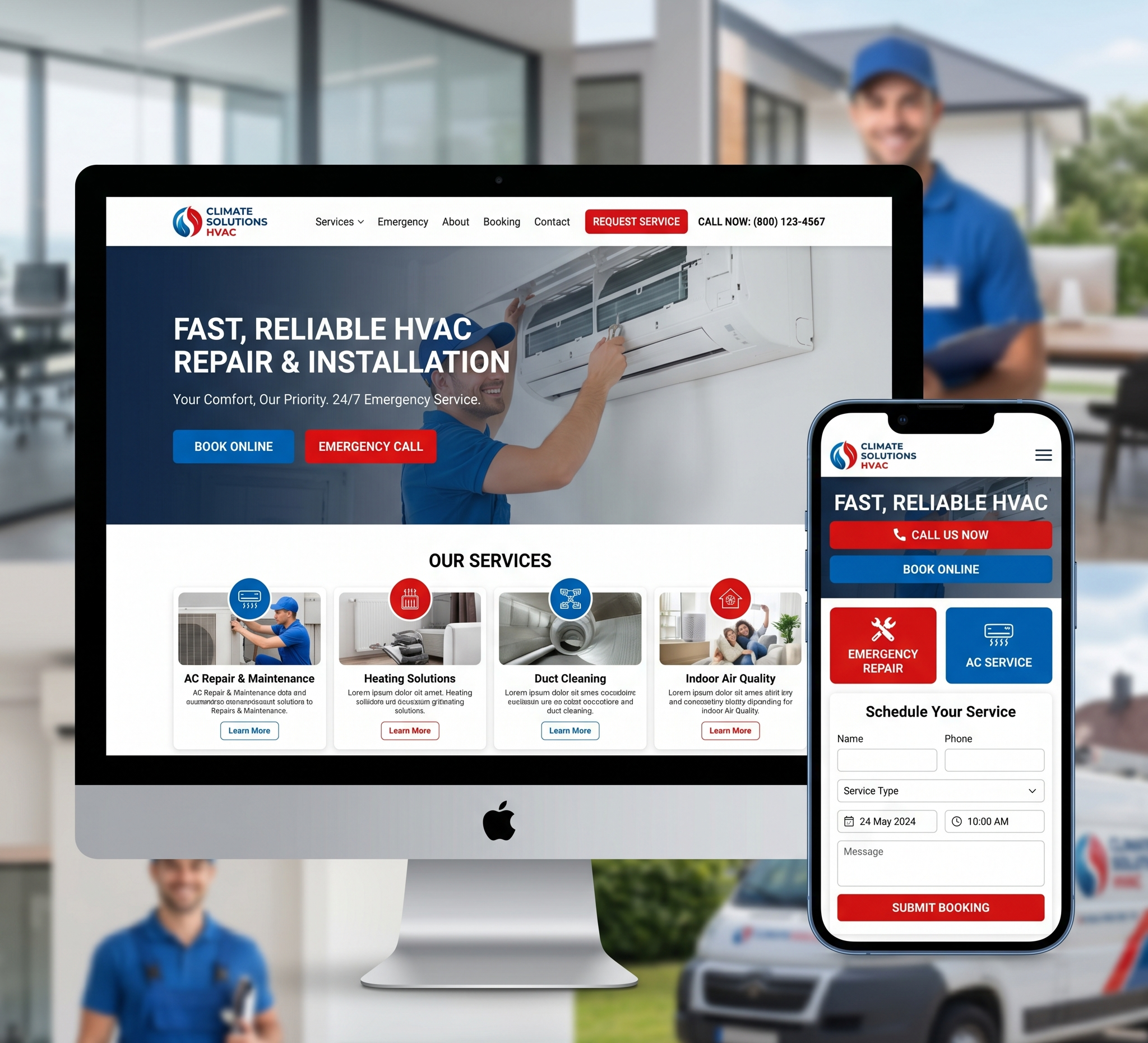

Power of Custom CMS Websites – In the vast digital landscape, where every business seeks to establish a unique online presence, the significance of Content Management Systems (CMS) cannot be overstated. These platforms provide the backbone for managing, organizing, and presenting digital content effectively. While there are numerous CMS options available off-the-shelf, the demand for custom CMS websites is on the rise. In this comprehensive guide, we delve into the world of custom CMS websites, exploring their benefits, features, development process, and how they empower businesses to stand out in a crowded digital arena.
The Power of Custom CMS Websites: Crafting Digital Experiences Tailored to Perfection
A. Understanding CMS
Before delving into the specifics of custom CMS websites, it’s essential to grasp the fundamental concept of Content Management Systems. CMS is a software application that facilitates the creation, editing, organization, and publication of digital content. It enables individuals and organizations, regardless of technical expertise, to manage website content efficiently. CMS platforms typically consist of a user-friendly interface, allowing users to add, edit, and delete content seamlessly.
B. Off-the-shelf vs. Custom CMS
Off-the-shelf CMS solutions like WordPress, Joomla, and Drupal have gained widespread popularity due to their ease of use and extensive plugin ecosystems. These platforms offer a range of templates and functionalities that cater to diverse website needs. However, they come with certain limitations in terms of flexibility and customization.
On the other hand, custom CMS websites are tailored to meet the specific requirements of a business or organization. They are built from the ground up, incorporating unique features, designs, and functionalities. While the development of custom CMS websites entails a higher initial investment and longer timeframe, the benefits they offer far outweigh the drawbacks.
C. Benefits of Custom CMS Websites
Tailored to Your Needs:
- One of the primary advantages of custom CMS websites is that they are designed to align perfectly with your business objectives and requirements. From the user interface to backend functionalities, every aspect is crafted to suit your unique needs.
Scalability:
- Custom CMS websites are highly scalable, allowing for seamless expansion and integration of new features as your business grows. Unlike off-the-shelf solutions, which may struggle to accommodate complex requirements, custom CMS can be easily adapted to meet evolving needs.
Enhanced Security:
- Security is a paramount concern in today’s digital landscape. Custom CMS websites offer greater control over security measures, reducing the risk of vulnerabilities associated with third-party plugins and themes. With tailored security protocols and regular updates, you can ensure the protection of sensitive data and safeguard your website from potential threats.
Unique Design and Branding:
- Stand out from the crowd with a unique design that reflects your brand identity. Custom CMS websites allow for creative freedom in design, enabling you to create a visually stunning and memorable online presence that resonates with your target audience.
Optimized Performance:
- Performance optimization is crucial for providing users with a seamless browsing experience. With a custom CMS website, you have full control over optimization strategies, ensuring fast loading times, smooth navigation, and overall better performance.
Integration Capabilities:
- Seamlessly integrate third-party services, APIs, and tools to enhance the functionality of your website. Whether it’s e-commerce integration, CRM systems, or social media platforms, custom CMS websites offer unparalleled flexibility in integrating various components to streamline operations and enhance user experience.
Ownership and Control:
- Unlike hosted solutions where you are bound by the terms and limitations set by the provider, custom CMS websites grant you full ownership and control over your digital assets. You are not dependent on a third-party platform, giving you the freedom to make decisions and modifications as needed.
D. Features of Custom CMS Websites
User-Friendly Interface:
- Despite being tailored to complex requirements, custom CMS websites boast intuitive user interfaces that make content management a breeze. With drag-and-drop editors, WYSIWYG (What You See Is What You Get) editors, and customizable dashboards, users can easily update content without any technical expertise.
Custom Content Types:
- Custom CMS websites allow for the creation of bespoke content types tailored to your specific needs. Whether it’s product listings, event calendars, portfolios, or case studies, you can define custom fields and structures to organize content effectively.
Role-Based Access Control:
- Maintain granular control over user permissions with role-based access control. Assign different roles and permissions to users based on their responsibilities within the organization, ensuring that sensitive information is accessible only to authorized personnel.
Workflow Management:
- Streamline content creation and publication workflows with built-in workflow management features. From content creation and review to approval and publication, custom CMS websites enable you to establish efficient processes that enhance collaboration and productivity.
Search Engine Optimization (SEO) Tools:
- Achieve higher visibility in search engine results with built-in SEO tools and features. Custom CMS websites allow for easy optimization of metadata, URLs, headings, and other on-page elements, helping improve organic search rankings and drive targeted traffic to your website.
Multilingual Support:
- Expand your reach to global audiences with multilingual support. Custom CMS websites enable the creation and management of content in multiple languages, allowing you to cater to diverse linguistic preferences and cultural nuances.
Analytics and Reporting:
- Gain valuable insights into website performance with integrated analytics and reporting tools. Track key metrics such as traffic, user engagement, conversion rates, and more, empowering you to make data-driven decisions and optimize your digital strategy accordingly.
E. Development Process of Custom CMS Websites
Discovery and Planning:
- The development process begins with a thorough discovery phase, where the development team conducts research, gathers requirements, and defines project goals and objectives. This phase lays the foundation for the entire project and helps ensure alignment with the client’s vision.
Design and Prototyping:
- Once the requirements are finalized, the design phase commences, where wireframes, mockups, and prototypes are created to visualize the website’s layout, navigation, and user interface. Feedback from stakeholders is gathered and incorporated into the design iteratively until the final design is approved.
Development and Implementation:
- With the design approved, the development team begins coding the custom CMS website using appropriate technologies and frameworks. Frontend and backend development work in tandem to bring the design to life, integrating features, functionalities, and content management capabilities as per the specifications.
Testing and Quality Assurance:
- Rigorous testing and quality assurance procedures are conducted throughout the development process to identify and rectify any bugs, errors, or inconsistencies. Various testing methodologies, including functional testing, usability testing, and performance testing, ensure that the website meets the highest standards of quality and reliability.
Deployment and Launch:
- Upon successful completion of testing, the custom CMS website is deployed to a production environment, where it goes live for public access. Deployment involves configuring servers, setting up databases, and transferring files to the hosting environment. A final round of testing is conducted post-deployment to ensure everything is functioning as expected.
Training and Support:
- Training sessions are conducted to familiarize clients with the custom CMS and its features. User manuals, documentation, and tutorials may also be provided to facilitate ongoing management and maintenance. Additionally, ongoing support and maintenance services are offered to address any issues or enhancements post-launch.
Conclusion: Custom CMS Websites
In conclusion, custom CMS websites offer unparalleled flexibility, scalability, and control, empowering businesses to create unique digital experiences tailored to their specific needs. From enhanced security and performance to seamless integration and customization, the benefits of custom CMS websites are manifold. By investing in a custom CMS solution, businesses can differentiate themselves in a competitive market, drive user engagement, and achieve their digital objectives with confidence. Whether you’re a small startup or a large enterprise, custom CMS websites provide the foundation for building a successful online presence that resonates with your audience and drives business growth.