

Social Media Marketing Strategy: Power of Digital Engagement
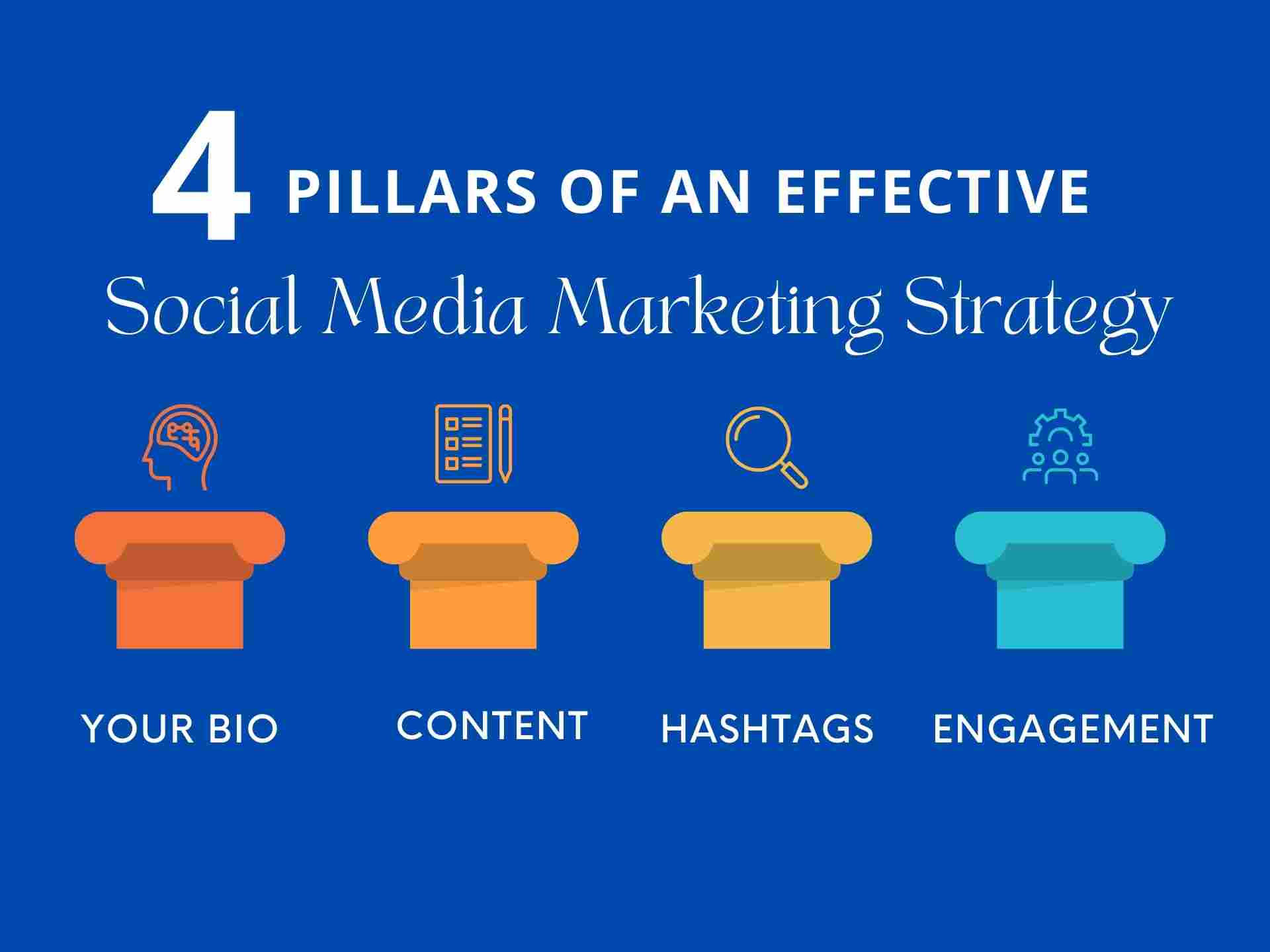

Social media marketing strategy is not just a fleeting trend; it’s a powerful tool that can revolutionize how businesses engage with their audience. By defining clear objectives, understanding the target audience, creating compelling content, and consistently engaging with users, businesses can leverage social media to unlock their true potential. Embracing a well-thought-out social media marketing strategy can elevate a brand’s digital presence, drive sales, and forge lasting customer relationships in today’s interconnected world.
Social Media Marketing Strategy you have to must know in 2023:
In the age of digital transformation, social media has emerged as a powerful tool for businesses to connect with their target audience, foster brand loyalty, and drive sales. Social media marketing strategy is a well-crafted plan that leverages various social media platforms to achieve specific business objectives. In this blog post, we will delve into what social media marketing strategy is, how it works, and how businesses can harness its potential to unlock unprecedented success in the digital landscape.
What is Social Media Marketing Strategy?
A social media marketing strategy is a comprehensive blueprint that outlines a brand’s goals, target audience, content creation, platform selection, and metrics for measuring success. It goes beyond sporadic posting and reactive engagement on social media and instead focuses on a cohesive, deliberate approach to foster meaningful connections with the target market.
Understanding How it Works:
Defining Objectives:
The first step is to identify clear and measurable goals for the social media campaign. These goals can include increasing brand awareness, driving website traffic, generating leads, boosting sales, or improving customer satisfaction and loyalty.
Understanding the Target Audience:
Knowing your audience is crucial for success. Analyze demographic data, behavior patterns, and preferences to tailor content and messaging to resonate with your target market.
Selecting the Right Platforms:
Not all social media platforms are created equal. Based on your target audience’s demographics and interests, choose the platforms where they are most active. Popular options include Facebook, Instagram, Twitter, LinkedIn, Pinterest, TikTok, and others.
Content Creation:
Engaging and valuable content is the backbone of any successful social media strategy. Diverse content formats such as videos, images, infographics, blog posts, and interactive content should be employed to keep the audience engaged.
Consistency and Frequency:
Maintaining a consistent posting schedule is vital for staying relevant in your audience’s feed. However, quality should never be compromised for quantity.
Engagement and Community Building:
Social media is a two-way street. Engage with your audience by responding to comments, messages, and mentions. Building a loyal community can amplify your brand message.
Influencer Marketing:
Partnering with influencers can give your brand a wider reach and an authentic touch, as influencers are trusted by their followers.
Paid Advertising:
Social media platforms offer sophisticated ad targeting options. Paid advertising can amplify your reach and increase the chances of conversions.
Tracking and Measuring Results:
Analyze data and key performance indicators (KPIs) to evaluate the success of your strategy. Metrics like engagement rate, conversion rate, click-through rate (CTR), and return on investment (ROI) can provide valuable insights.
The Benefits of a Well-Executed Strategy:
Increased Brand Awareness:
Social media allows businesses to reach a vast audience and increase brand visibility exponentially.
Improved Customer Engagement:
By actively engaging with the audience, businesses can foster a deeper connection with customers, resulting in improved customer satisfaction and loyalty.
Data-Driven Insights:
Social media analytics provide valuable data to understand consumer behavior and preferences, enabling businesses to make informed decisions.
Cost-Effective Marketing:
Social media marketing is often more cost-effective than traditional advertising channels, especially for small and medium-sized businesses.
Competitive Edge:
A well-crafted social media strategy can give businesses a competitive advantage in the digital landscape.
Recommended Posts

The Difference Between SEO, SEM, SMO, and SMM
December 1, 2024

Social Media Outreach Strategy: The Ultimate Guide
July 9, 2024

Social Media Marketing Ads: The Ultimate Guide
July 7, 2024