
Local SEO vs. Global SEO: A Comprehensive Guide
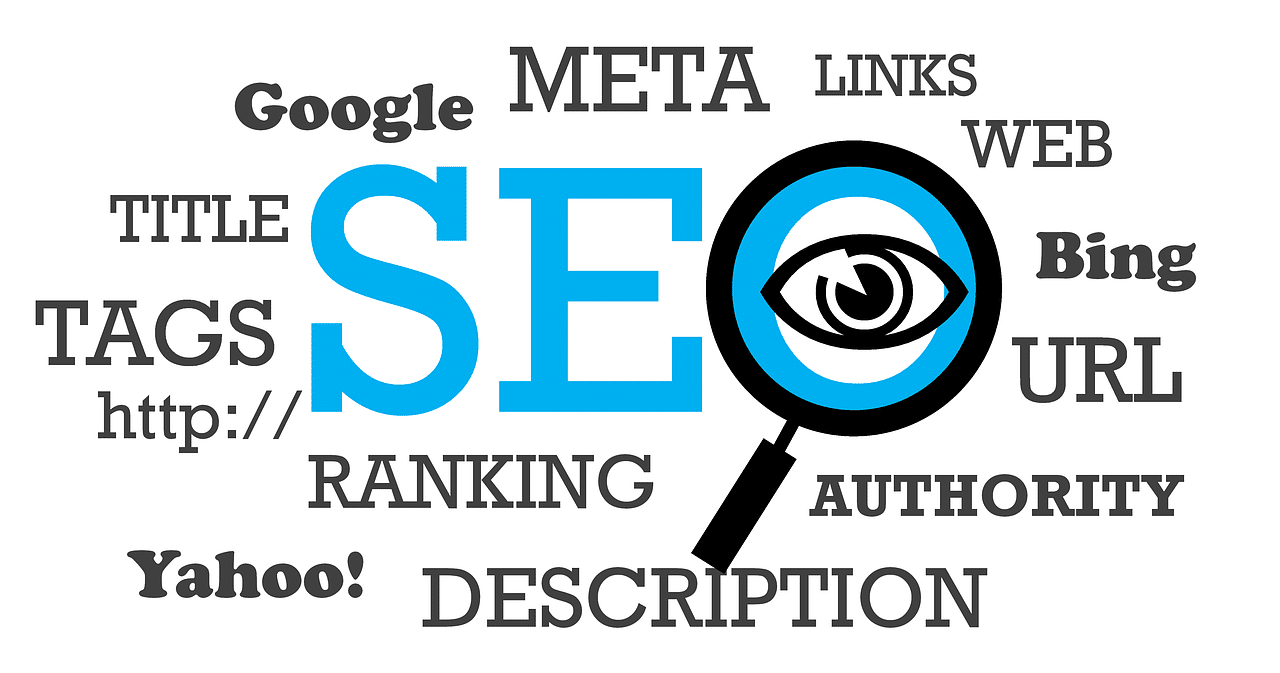

Search Engine Optimization (SEO) is a crucial digital marketing strategy that helps businesses rank higher on search engines like Google, Bing, and Yahoo. However, not all SEO strategies are the same. Depending on your business goals, you may need Local SEO (targeting a specific geographic area) or Global SEO (targeting an international audience).
Understanding the differences between Local SEO and Global SEO is essential for businesses looking to maximize their online visibility. This guide will explore both strategies in detail, their key differences, best practices, and how to implement them effectively.
Table of Contents
What is SEO?
What is Local SEO?
- Definition
- Importance of Local SEO
- Key Components of Local SEO
What is Global SEO?
- Definition
- Importance of Global SEO
- Key Components of Global SEO
Key Differences Between Local SEO and Global SEO
- Target Audience
- Keyword Strategy
- Content Optimization
- Backlink Strategy
- Technical SEO Considerations
- Google My Business vs. Global Rankings
When to Use Local SEO vs. Global SEO
- Businesses That Need Local SEO
- Businesses That Need Global SEO
- Hybrid Approach (Local + Global SEO)
Best Practices for Local SEO
- Optimizing Google My Business (GMB)
- Local Citations and NAP Consistency
- Online Reviews and Reputation Management
- Localized Content and Blogging
- Local Link Building
Best Practices for Global SEO
- Multilingual and Multiregional SEO
- International Keyword Research
- Hreflang Tags and Geo-Targeting
- Global Link Building Strategies
- Server Location and CDN Considerations
Common SEO Mistakes in Local and Global SEO
- Ignoring Mobile Optimization
- Poor Keyword Research
- Duplicate Content Issues
- Neglecting Technical SEO
Tools for Local and Global SEO
- Google Search Console
- Google Analytics
- SEMrush & Ahrefs
- BrightLocal & Whitespark
- Moz Local
Case Studies: Local SEO vs. Global SEO Success Stories
Future Trends in Local and Global SEO
Conclusion
What is SEO?
SEO (Search Engine Optimization) is the process of optimizing a website to improve its visibility in organic (non-paid) search engine results. The goal is to attract more relevant traffic by ranking for keywords that potential customers are searching for.
SEO can be categorized into:
- On-Page SEO (content, keywords, meta tags)
- Off-Page SEO (backlinks, social signals)
- Technical SEO (site speed, mobile-friendliness, indexing)
Now, let’s dive into Local SEO and Global SEO.
3. What is Local SEO?
Definition
Local SEO focuses on optimizing a business’s online presence to attract customers from a specific geographic location. It helps local businesses appear in “near me” searches and Google’s Local Pack (the top 3 local business listings in search results).
Importance of Local SEO
- 46% of all Google searches have local intent (Google, 2022).
- 88% of consumers who search for a local business on mobile visit or call within 24 hours (Nectafy, 2023).
- Google My Business (GMB) listings influence local search rankings significantly.
Key Components of Local SEO
1. Google My Business (GMB) Optimization
- Accurate business name, address, phone (NAP)
- High-quality images and videos
- Regular posts and updates
- Managing customer reviews
2. Local Citations & NAP Consistency
- Ensure your business details are consistent across directories (Yelp, Yellow Pages, etc.).
3. Online Reviews & Reputation Management
- Encourage positive reviews and respond to negative feedback.
4. Localized Content & Blogging
- Publish content relevant to your local audience (e.g., “Best Pizza in Chicago”).
5. Local Link Building
- Get backlinks from local news sites, blogs, and business associations.
4. What is Global SEO?
Definition
- Global SEO focuses on optimizing a website to rank in multiple countries and languages. It targets an international audience rather than a specific location.
Importance of Global SEO
- Expands market reach beyond local boundaries.
- Helps e-commerce brands sell products worldwide.
- Improves visibility in multilingual search queries.
Key Components of Global SEO
1. Multilingual & Multiregional SEO
- Translate and localize content for different regions.
2. International Keyword Research
- Identify search terms used in different countries (e.g., “sneakers” vs. “trainers”).
3. Hreflang Tags & Geo-Targeting
- Tells Google which language/region a page is targeting.
4. Global Link Building
- Acquire backlinks from authoritative international websites.
5. Server Location & CDN (Content Delivery Network)
- Improves site speed for users in different regions.
5. Key Differences Between Local SEO and Global SEO
Factor Local SEO Global SEO
Target Audience Specific city or region International audience
Keyword Strategy “Near me” & location-based keywords Broad & multilingual keywords
Content Focus Localized content (events, news) Global trends & cultural adaptation
Backlinks Local directories & news sites High-authority global sites
GMB vs. Domain Authority Google My Business is critical Domain authority & backlinks matter more
6. When to Use Local SEO vs. Global SEO
Businesses That Need Local SEO
- Restaurants, cafes
- Plumbing services, electricians
- Real estate agencies
- Medical clinics
Businesses That Need Global SEO
- E-commerce stores (Amazon, eBay)
- SaaS companies
- Digital marketing agencies
- Travel & hospitality brands
Hybrid Approach (Local + Global SEO)
Some businesses (like franchises) need both. Example:
- McDonald’s uses Local SEO for individual outlets and Global SEO for brand visibility.
7. Best Practices for Local SEO
Optimize Google My Business (GMB)
- Complete every section (services, hours, photos).
- Use local keywords in descriptions.
Local Citations & NAP Consistency
- List your business on Yelp, Yellow Pages, and Bing Places.
Online Reviews & Reputation Management
- Respond to all reviews (positive & negative).
Localized Content & Blogging
- Example: “Top 10 Hair Salons in Miami.”
Local Link Building
- Partner with local influencers and bloggers.
8. Best Practices for Global SEO
Multilingual & Multiregional SEO
- Use hreflang tags for language targeting.
International Keyword Research
- Tools: SEMrush, Ahrefs, Google Keyword Planner.
Hreflang Tags & Geo-Targeting
- Helps avoid duplicate content issues.
Global Link Building
- Guest posts on international blogs.
Server Location & CDN
- Use Cloudflare or AWS for faster loading globally.
9. Common SEO Mistakes in Local and Global SEO
✅ Local SEO Mistakes:
- Ignoring GMB updates
- Inconsistent NAP details
- Not responding to reviews
✅ Global SEO Mistakes:
- Poor translation (e.g., using Google Translate)
- Ignoring hreflang tags
- Not optimizing for international search engines (Baidu, Yandex)
10. Tools for Local and Global SEO
Local SEO Tools Global SEO Tools
BrightLocal SEMrush
Whitespark Ahrefs
Moz Local Google Search Console
Google My Business Hreflang Generator
11. Case Studies: Local SEO vs. Global SEO Success Stories
- Local SEO Success: A small bakery increased foot traffic by 200% after optimizing GMB and local citations.
- Global SEO Success: An e-commerce store saw a 300% increase in international sales after implementing hreflang tags.
12. Future Trends in Local and Global SEO
- Voice Search Optimization (for “near me” queries)
- AI-Powered SEO Tools (automated keyword research)
- Hyperlocal Personalization (Google’s focus on precise location data)
13. Conclusion
Both Local SEO and Global SEO are essential, depending on your business goals.
- Local SEO helps brick-and-mortar businesses attract nearby customers.
- Global SEO enables brands to expand internationally.
By implementing the right strategies, businesses can dominate search rankings—whether locally or globally.
Need help with Local or Global SEO? Contact Reach Above Media for expert SEO services!