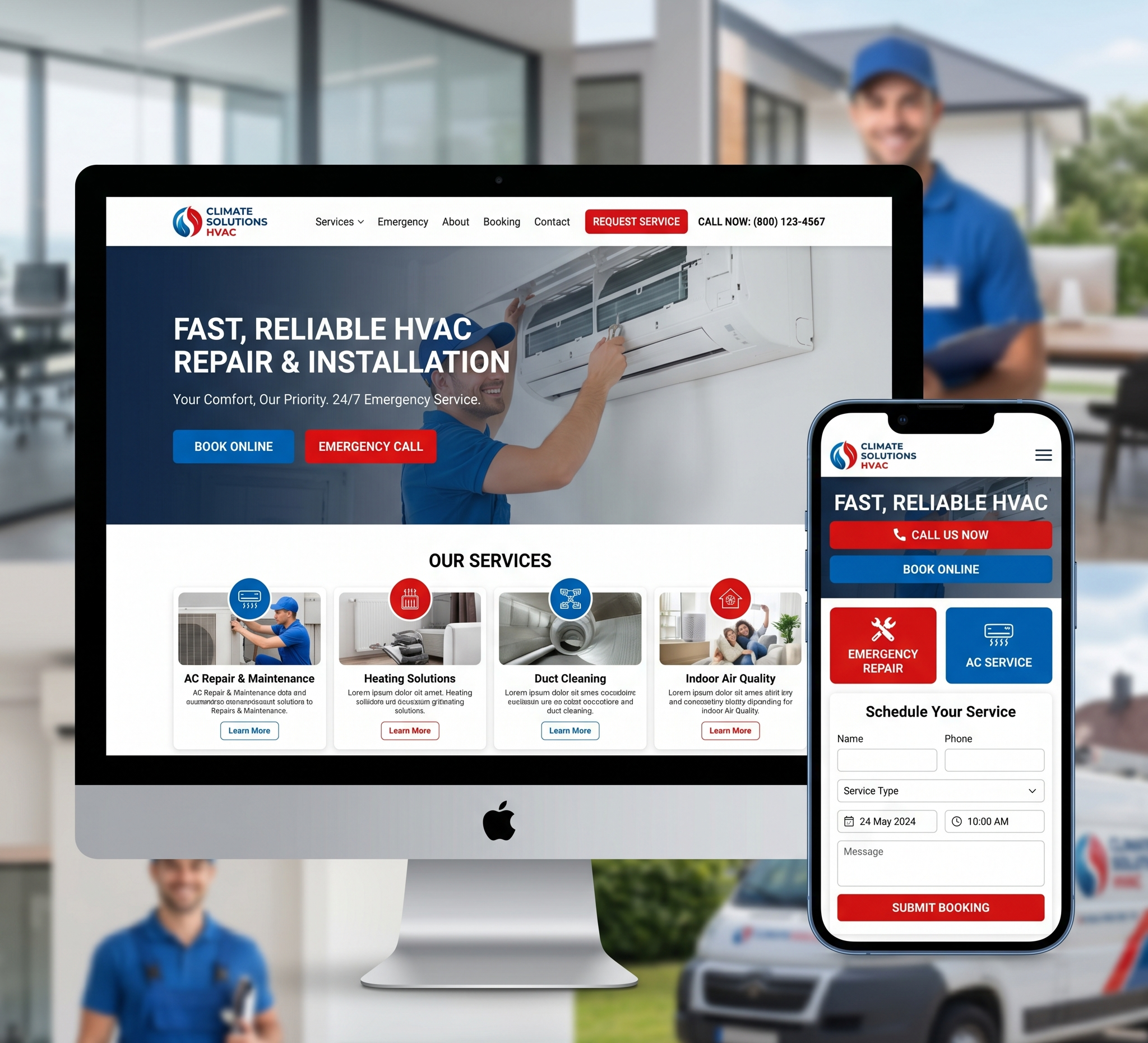

In the digital age, web design has become an indispensable skill. Every business, organization, and individual needs a website to establish an online presence. This growing demand for web designers has made it a lucrative career option, and becoming a certified web designer can open up a world of opportunities. In this comprehensive guide, we will walk you through the steps and strategies to become a certified web designer, from building your foundational skills to obtaining relevant certifications and establishing a successful career.
How to Become a Certified Web Designer: A To Z Guide
Table of Contents – How to Become a Certified Web Designer
-
Understanding the Role of a Web Designer
-
Building the Foundation: Essential Skills
-
Educational Paths and Formal Training
-
Certifications in Web Design
-
Practical Experience: Internships and Freelancing
-
Creating a Stellar Portfolio
-
Networking and Building Connections
-
Staying Updated with Industry Trends
-
Starting Your Web Design Career
-
Conclusion
1. Understanding the Role of a Web Designer
Before delving into the journey of becoming a certified web designer, it’s essential to understand the role and responsibilities that come with this profession. A web designer is responsible for creating and maintaining visually appealing, user-friendly websites. This involves a combination of technical skills, creativity, and an understanding of user experience (UX) and user interface (UI) design.
Here are some key responsibilities of a web designer:
Designing Layouts: Web designers create the overall layout and structure of a website. This includes deciding on the placement of elements such as text, images, buttons, and navigation menus.
Visual Design:
They are responsible for selecting colors, fonts, and images that align with the website’s purpose and target audience. Visual design is a crucial aspect of creating an attractive and engaging website.
Responsive Design:
With the increasing use of mobile devices, web designers must ensure that websites are responsive, meaning they adapt to different screen sizes and resolutions.
User Experience (UX) Design:
This involves optimizing the website’s usability and ensuring a seamless and enjoyable experience for visitors. It includes factors like navigation, page load times, and accessibility.
User Interface (UI) Design:
UI design focuses on the look and feel of the website, including the design of buttons, forms, and other interactive elements.
Coding and Development:
While web designers primarily focus on the visual aspects of a website, many also have basic coding skills in HTML, CSS, and JavaScript to bring their designs to life.
Now that you have a clear understanding of the web designer’s role, let’s explore how to acquire the necessary skills and certifications to excel in this field.
2. Building the Foundation: Essential Skills
Before you can become a certified web designer, you must develop a strong foundation in key skills. These skills serve as the building blocks of your career. Here are the essential skills every aspiring web designer should acquire:
a. HTML and CSS:
HTML (Hypertext Markup Language) and CSS (Cascading Style Sheets) are the fundamental languages used to create web pages. HTML provides the structure and content of a webpage, while CSS is used to style and format it. Learning these languages is the first step in becoming a web designer.
Online resources, tutorials, and courses are widely available to help you learn HTML and CSS. Consider enrolling in a beginner-friendly web development course or using online platforms like Codecademy or W3Schools.
b. Graphic Design:
Web designers need a strong grasp of graphic design principles. This includes understanding color theory, typography, and layout design. Familiarity with graphic design software like Adobe Photoshop and Adobe Illustrator is often required.
To improve your graphic design skills, you can take courses on platforms like Udemy or Coursera. Additionally, practice creating graphics and layouts for websites to build your portfolio.
c. Responsive Web Design:
As mentioned earlier, responsive web design is crucial. You must learn how to design websites that adapt to various screen sizes, from desktop monitors to smartphones and tablets. Understanding responsive design frameworks like Bootstrap can be advantageous.
d. UX/UI Design:
User experience (UX) and user interface (UI) design are integral parts of web design. UX design focuses on making websites user-friendly and efficient, while UI design deals with the visual and interactive elements. Learning the principles of both UX and UI design is essential for creating effective websites.
Books like “Don’t Make Me Think” by Steve Krug and “The Design of Everyday Things” by Don Norman can provide valuable insights into UX/UI design.
e. JavaScript:
While not mandatory for all web designers, having a basic understanding of JavaScript can be a significant advantage. JavaScript allows you to add interactivity and dynamic features to websites. Learning JavaScript can open up more opportunities in web design and development.
f. SEO Basics:
Understanding the basics of Search Engine Optimization (SEO) is important because it helps your websites rank higher in search engine results. Web designers should know how to optimize website elements such as titles, headings, and meta tags for SEO.
These foundational skills will provide you with a strong base to start your web design journey. As you gain proficiency in these areas, you can move on to more advanced topics and specialized skills.
3. Educational Paths and Formal Training
Once you’ve developed a solid foundation in web design skills, you can consider pursuing formal education or training programs to enhance your knowledge and credibility. Here are some educational paths to consider:
a. Bachelor’s Degree in Web Design or a Related Field:
A bachelor’s degree in web design, graphic design, or a related field can provide you with a comprehensive education in web design principles and practices. These programs often cover graphic design, coding, UX/UI design, and more. Additionally, a degree can be valuable when seeking employment with larger organizations or agencies.
b. Online Courses and Bootcamps:
Online courses and boot camps offer a flexible and cost-effective way to learn web design. Platforms like Coursera, edX, and Udacity offer web design courses and specialization programs. Web design boot camps, such as General Assembly and Bloc, provide intensive, hands-on training in a shorter time frame.
c. Community College or Vocational Programs:
Many community colleges and vocational schools offer web design certificate programs or associate degrees. These programs often focus on practical skills and can be completed in a relatively short time.
d. Self-Study:
If you prefer a self-paced approach, you can continue learning independently through online tutorials, books, and resources. There are plenty of free and paid resources available to self-learners. The key is to maintain a consistent learning schedule and practice your skills regularly.
4. Certifications in Web Design
Obtaining certifications is a great way to validate your web design skills and demonstrate your expertise to potential employers or clients. Here are some popular web design certifications to consider:
a. Adobe Certified Professional:
Adobe offers certification programs for various software applications, including Adobe Photoshop and Adobe Illustrator. These certifications are valuable for web designers who use Adobe Creative Cloud tools extensively in their work.
b. Certified Web Designer (CWD):
The International Association of Webmasters and Designers (IAWMD) offers the Certified Web Designer designation. To earn this certification, you must pass an exam that covers web design principles, HTML, CSS, and other related topics.
c. Google Mobile Web Specialist:
This certification, offered by Google, focuses on mobile web development and design. It covers topics such as responsive design, progressive web apps (PWAs), and mobile performance optimization.
d. Certified Usability Analyst:
Usability plays a crucial role in web design, and the Human Factors International (HFI) offers the Certified Usability Analyst certification. This certification demonstrates your expertise in creating user-friendly web interfaces.
e. Certified Professional in Web Accessibility (CPWA):
Web accessibility is becoming increasingly important to ensure that websites are usable by people with disabilities. The International Association of Accessibility Professionals (IAAP) offers the CPWA certification for professionals who want to specialize in web accessibility.
f. CIW Web Design Specialist:
The Certified Internet Web Professional (CIW) Web Design Specialist certification covers a range of web design topics, including HTML and CSS, responsive design, and web graphics. It’s a comprehensive certification for aspiring web designers.
When choosing a certification, consider your career goals and the specific areas of web design you want to specialize in. Some certifications may be more relevant than others based on your interests and the job market in your region.
5. Practical Experience: Internships and Freelancing
While formal education and certifications are essential, practical experience is equally crucial in the world of web design. Gaining hands-on experience allows you to apply your skills in real-world scenarios and build a portfolio of work. Here are two avenues to gain practical experience:
a. Internships:
Internships with web design agencies, companies, or organizations are an excellent way to get your foot in the door. Look for internship opportunities that align with your skills and interests. During an internship, you can work on real projects, collaborate with experienced designers, and learn about industry best practices.
b. Freelancing:
Freelancing as a web designer offers flexibility and the opportunity to work on a variety of projects. It allows you to showcase your skills, build a portfolio, and gain valuable client experience. Platforms like Upwork, Freelancer, and Fiverr are popular for finding freelance web design projects.
When freelancing, start with smaller projects to build your reputation and gradually take on more significant and complex assignments as you gain confidence and experience.
6. Creating a Stellar Portfolio
Your portfolio is your showcase of skills and accomplishments as a web designer. It’s one of the most critical tools for attracting clients or employers. Here are some tips for creating a compelling web design portfolio:
a. Showcase Diverse Projects:
Include a variety of projects that demonstrate your versatility as a web designer. Show examples of different website types, such as e-commerce sites, blogs, and corporate websites.
b. Highlight Your Best Work:
Choose your most impressive and visually appealing projects to feature prominently in your portfolio. Quality matters more than quantity.
c. Provide Project Details:
For each portfolio item, include project details such as the client’s name, the project’s goals, your role, and the technologies or tools you used. Explain any challenges you faced and how you overcame them.
d. Keep It Updated:
Regularly update your portfolio to include your latest work. As you gain more experience and skills, replace older projects with newer, more impressive ones.
e. Personal Projects:
If you lack client work in the beginning, consider creating personal projects to showcase your skills. Design a website for a fictional business or redesign an existing website to demonstrate your improvement.
f. User Experience (UX) Case Studies:
Include UX case studies that showcase your ability to improve the usability and user experience of websites. Explain the problem, your approach, and the results achieved.
Your portfolio is a reflection of your abilities as a web designer, so invest time and effort in making it visually appealing and informative. A well-crafted portfolio can make a significant difference in attracting clients and job opportunities.
7. Networking and Building Connections
Networking is a crucial aspect of advancing your web design career. Building professional connections can lead to job opportunities, collaborations, and valuable industry insights. Here are some strategies for networking in the field of web design:
a. Attend Industry Events:
Participate in web design conferences, workshops, and meetups in your area or online. These events provide opportunities to meet fellow designers, industry professionals, and potential clients.
b. Join Online Communities:
Join web design forums, Facebook groups, and LinkedIn communities related to web design. Engage in discussions, seek advice, and share your knowledge and experiences.
c. Collaborate on Projects:
Collaborating with other designers, developers, or content creators on projects can expand your network and help you learn from others in the field.
d. Use Social Media:
Create and maintain a professional presence on social media platforms like LinkedIn, Twitter, and Instagram. Share your work, engage with others in the industry, and follow relevant hashtags.
e. Build a Personal Brand:
Establishing a strong personal brand can make you more recognizable in the industry. Create a personal website or blog where you share your insights, tutorials, and design philosophies.
f. Attend Workshops and Webinars:
Participate in web design workshops and webinars conducted by industry experts. These events often include networking opportunities with both speakers and attendees.
Networking takes time and effort, but it can open doors to exciting opportunities and help you stay updated with industry trends and best practices.
8. Staying Updated with Industry Trends
Web design is a dynamic field, with new trends, technologies, and tools emerging regularly. To remain competitive and relevant, it’s essential to stay updated with industry trends and advancements. Here’s how you can keep your knowledge current:
a. Follow Industry Blogs and Websites:
Subscribe to web design blogs and websites that regularly publish articles about design trends, best practices, and new technologies. Some popular resources include Smashing Magazine, A List Apart, and Web Designer Depot.
b. Online Courses and Webinars:
Participate in online courses and webinars that focus on the latest web design trends and techniques. Platforms like Coursera, edX, and LinkedIn Learning offer courses on web design topics.
c. Read Books and Ebooks:
Consider reading books and ebooks written by industry experts. Books like “Responsive Web Design” by Ethan Marcotte and “Designing for the Web” by Mark Boulton provide valuable insights into modern web design.
d. Experiment with New Tools:
Stay curious and open to trying new design tools and software. Tools like Adobe XD, Figma, and Sketch have gained popularity among web designers for their collaborative and prototyping features.
e. Follow Design Influencers:
Follow influential web designers and developers on social media platforms to see their latest work and stay informed about their insights on design trends.
f. Attend Conferences and Webinars:
Whenever possible, attend web design conferences and webinars, where experts share their knowledge and experiences. These events often provide hands-on workshops and networking opportunities.
9. Starting Your Web Design Career
After acquiring the necessary skills, certifications, and experience, it’s time to launch your web design career. Here are some steps to consider as you start your journey:
a. Create a Professional Website:
A professional website serves as your online portfolio and a way for potential clients or employers to learn more about you. Ensure that your website reflects your design skills and includes a portfolio section showcasing your best work.
b. Job Search:
If you’re seeking employment, start by searching for web design job openings in your area or desired location. Use job search platforms like LinkedIn, Indeed, and Glassdoor. Tailor your resume and cover letter to highlight your skills and experiences relevant to each job.
c. Freelancing:
If you’re pursuing freelancing opportunities, create profiles on freelancing platforms like Upwork, Freelancer, and Fiverr. Craft a compelling profile that showcases your skills, portfolio, and expertise.
d. Marketing and Branding:
Promote your web design services through social media, word-of-mouth referrals, and networking. Consider investing in digital marketing strategies like SEO and paid advertising to attract clients.
e. Client Communication:
Effective communication is essential when working with clients. Clearly understand their requirements, set expectations, and maintain regular communication throughout the project.
f. Pricing Your Services:
Determine your pricing strategy based on factors such as your level of expertise, the complexity of the project, and market rates. Be transparent with clients about your pricing structure.
g. Continuous Learning:
Even after starting your career, continue to learn and improve your skills. Take on challenging projects that push your boundaries and expand your knowledge.
h. Seek Feedback:
Request feedback from clients and peers to identify areas for improvement. Constructive feedback can help you refine your skills and deliver better results.
10. Conclusion
Becoming a certified web designer is a rewarding journey that requires dedication, continuous learning, and a passion for creativity and problem-solving. By following the steps outlined in this comprehensive guide, you can build a strong foundation, acquire the necessary skills, obtain certifications, gain practical experience, and ultimately embark on a successful career in web design.
Remember that web design is a dynamic field, and staying updated with industry trends and technologies is essential to thrive in this ever-evolving landscape. Whether you choose to work as a freelance web designer, join a web design agency, or start your own web design business, your journey to becoming a certified web designer is an exciting and fulfilling adventure filled with opportunities to create beautiful and functional digital experiences for users around the world.