
The Google SEO algorithm is one of the most sophisticated and continuously evolving digital technologies, shaping the way we discover, access, and interact with information on the internet. For businesses, brands, and content creators, understanding how the Google algorithm works is key to enhancing visibility and reaching the target audience. In this comprehensive guide, we’ll delve into the inner workings of Google’s SEO algorithm, exploring how it processes information, ranks websites, and adapts to changing user behaviors and needs.
How Does Google SEO Algorithm Work: A Detailed Guide
Table of Contents
1. Introduction to Google’s SEO Algorithm
2. History and Evolution of Google’s Algorithm
3. Key Factors Affecting Google’s Search Rankings
- Relevance of Content
- Quality of Content
- User Experience
- Mobile-Friendliness
- Backlinks and Authority
- Page Speed
- Structured Data and Rich Snippets
4. Google’s Major Algorithm Updates
- Panda Update
- Penguin Update
- Hummingbird Update
- Mobilegeddon
- RankBrain
- BERT Update
5. Google Search Crawling and Indexing
6. How Google Interprets Search Queries
- Search Intent
- Keyword Relevance
7. On-Page vs. Off-Page SEO in Google’s Algorithm
8. The Role of Artificial Intelligence and Machine Learning
9. Google’s Core Web Vitals: A Modern Metric
10. How to Optimize Your Website for Google’s Algorithm
- Content Optimization
- Technical SEO
- Local SEO
11. Penalties and How to Avoid Them
12. Future of Google’s Algorithm: Trends and Predictions
13. Conclusion
1. Introduction to Google’s SEO Algorithm
Google’s SEO algorithm is a set of complex rules and ranking factors that determine the order in which websites appear in search engine results pages (SERPs). Every time you perform a search on Google, its algorithm instantly processes billions of web pages, selects the most relevant, and ranks them based on various signals. The goal is to deliver the most accurate, relevant, and high-quality results to users based on their search queries.
Google’s algorithm is dynamic, undergoing hundreds of minor tweaks and several major updates annually to ensure it meets user needs in a fast-changing digital landscape. This algorithmic complexity makes it both an art and a science for businesses and marketers to align their websites with the search engine’s ever-evolving rules.
2. History and Evolution of Google’s Algorithm
Google’s search algorithm has evolved dramatically since the company launched in 1998. Initially, the focus was on keyword matching and PageRank, which ranked websites based primarily on the number of backlinks. Over time, Google recognized the limitations of relying purely on backlinks and keywords, which could be easily manipulated by spammers and low-quality websites. This prompted a series of critical updates that continue to shape SEO as we know it today.
Here’s a brief timeline of key changes:
1998: PageRank Algorithm
- Google’s first algorithm ranked web pages based on the number and quality of backlinks pointing to them. The idea was that a website with more high-quality links from trusted sources would be more authoritative.
2011: Panda Update
- This update focused on reducing the rankings of low-quality, spammy websites with thin or duplicate content. It was one of the first significant efforts to prioritize quality content.
2012: Penguin Update
- The Penguin algorithm aimed to combat black-hat SEO practices like link schemes and keyword stuffing, penalizing sites that artificially boosted their rankings through manipulative tactics.
2013: Hummingbird Update
- This update introduced semantic search, focusing on understanding the meaning behind queries rather than just matching keywords. It was the first step towards interpreting user intent more accurately.
2015: RankBrain
- RankBrain, an AI-based system, added a machine learning component to Google’s algorithm. It helped the search engine better understand unfamiliar or ambiguous queries, adapting its results based on user behavior.
2020: BERT Update
- BERT (Bidirectional Encoder Representations from Transformers) was another major AI-driven update that improved Google’s ability to understand the context of words in search queries, refining search intent understanding.
Each of these updates played a crucial role in shaping the current state of Google’s SEO algorithm, with a strong emphasis on user experience, content relevance, and quality.
3. Key Factors Affecting Google’s Search Rankings
While Google’s full algorithm remains a closely guarded secret, SEO experts have identified numerous factors that influence search rankings. The most significant of these include:
a. Relevance of Content
- Content relevance is one of the most critical aspects of Google’s algorithm. The search engine aims to present users with pages that directly answer their queries. Google evaluates the relevance of your content by analyzing keyword usage, content structure, and semantic context. It’s no longer enough to just include the exact keywords; your content must address the search intent comprehensively.
b. Quality of Content
Quality content means content that is informative, well-researched, and provides value to the reader. Factors that influence content quality include:
- Originality: Avoiding duplicate content, which can lead to penalties.
- Depth: Google prefers content that covers a topic in detail, offering substantial insights.
- Accuracy: Information must be factually correct and well-supported by sources.
- Engagement: High user engagement metrics, such as low bounce rates and high time-on-page, signal that users find the content useful.
c. User Experience
User experience (UX) plays a pivotal role in Google’s ranking criteria. The search engine monitors how users interact with your website and rewards sites that provide a smooth, intuitive, and enjoyable experience.
- Bounce Rate: If users quickly leave your page, it signals to Google that your content may not be relevant or engaging.
- Dwell Time: How long users stay on your site. Longer times suggest they are finding value in the content.
- Click-Through Rate (CTR): A high CTR from search results indicates that your page title and meta description are compelling and relevant to users.
d. Mobile-Friendliness
- As of 2018, Google implemented mobile-first indexing, meaning the search engine primarily uses the mobile version of a site for ranking and indexing. With over half of global web traffic coming from mobile devices, having a responsive, mobile-friendly design is essential.
e. Backlinks and Authority
- Backlinks from authoritative, high-quality websites remain a crucial ranking signal. Google views backlinks as votes of confidence from other sites. However, not all backlinks are equal; links from reputable sites in your niche carry more weight than those from irrelevant or low-authority domains.
f. Page Speed
- Page speed is another ranking factor that directly affects user experience. Slow-loading pages result in higher bounce rates, which negatively impact rankings. Google’s algorithm prioritizes fast-loading pages, especially for mobile users.
g. Structured Data and Rich Snippets
- Structured data, marked up using schema.org, helps Google better understand the content on your pages. Rich snippets, like FAQs, product reviews, and recipes, can improve visibility in search results and increase CTR, boosting rankings indirectly.
4. Google’s Major Algorithm Updates
To gain a deeper understanding of how the Google SEO algorithm works, let’s look at some of its most influential updates and their effects on SEO strategies:
a. Panda Update
- The Panda Update targeted low-quality content, penalizing websites that had thin, duplicate, or spammy content. This update encouraged website owners to focus on producing original, well-written, and comprehensive content that meets user expectations.
b. Penguin Update
- The Penguin Update focused on black-hat SEO techniques, especially manipulative link-building practices. Websites engaging in link schemes, using paid links, or participating in excessive keyword stuffing were penalized. Penguin introduced the importance of natural, organic link-building strategies.
c. Hummingbird Update
- With the Hummingbird Update, Google shifted its focus toward understanding the intent behind user queries rather than just keyword matching. Semantic search became a key element, and websites that aligned their content with user intent began to see better rankings.
d. Mobilegeddon
- In response to the growing importance of mobile web browsing, Mobilegeddon was introduced, favoring mobile-friendly websites in search rankings. This was a clear signal to web developers and site owners to ensure responsive design and fast mobile loading times.
e. RankBrain
- RankBrain introduced machine learning to Google’s algorithm, helping the search engine adapt to complex and long-tail queries. RankBrain allows Google to refine its understanding of new or ambiguous search queries based on user interactions, improving search accuracy over time.
f. BERT Update
- The BERT Update leveraged natural language processing (NLP) to help Google understand the context of words in a search query. By analyzing prepositions like “for” and “to,” BERT enhances Google’s ability to comprehend the intent behind searches.
5. Google Search Crawling and Indexing
Before a website can appear in Google search results, it must first be crawled and indexed. Google uses bots, also known as Googlebot or spiders, to crawl web pages, following links from one page to another. During this process, Google collects data about the content, structure, and links on each page.
Once crawled, the page is added to Google’s index, a vast database of web pages that the algorithm can query when someone performs a search. The indexing process is where Google organizes information based on keywords, metadata, and user engagement signals, making it ready for search.
Google prioritizes pages for crawling based on their freshness, popularity, and authority. It also considers the internal linking structure of a site, as pages with more links are seen as more important and are likely to be crawled more frequently.
6. How Google Interprets Search Queries
a. Search Intent
Google has increasingly placed importance on understanding the search intent behind user queries. Search intent can be categorized into four types:
- Navigational: The user is looking for a specific website or page.
- Informational: The user is seeking information or answers to questions.
- Transactional: The user intends to make a purchase or complete a transaction.
- Commercial Investigation: The user is comparing products or services with the intention to purchase in the future.
Understanding and aligning your content with search intent is essential for optimizing for Google’s algorithm. If a user searches for “best SEO tools,” the intent is likely informational or commercial, so a well-structured guide or comparison list would serve the query better than a simple product page.
b. Keyword Relevance
Google’s algorithm evaluates the relevance of a web page by looking at how keywords are used within the content. While keywords remain important, the way they are used has changed significantly due to updates like Hummingbird and BERT. Rather than stuffing content with exact-match keywords, SEO now emphasizes natural language and semantic relevance.
Google looks at related terms, synonyms, and the overall context to determine whether a page genuinely addresses a user’s search query. For instance, a search for “how to start a blog” would expect content that covers multiple aspects of blogging, such as selecting a platform, writing content, and promoting the blog.
7. On-Page vs. Off-Page SEO in Google’s Algorithm
a. On-Page SEO
On-page SEO refers to the optimization efforts you make directly on your website, including:
- Title Tags and Meta Descriptions: These are critical for telling both Google and users what your page is about. Proper keyword placement in these elements can improve CTR and rankings.
- Header Tags (H1, H2, H3): Organizing your content with header tags makes it easier for both users and Google to navigate the page. It also helps Google understand the hierarchy of information.
- Image Optimization: Using alt text for images helps Google understand what the image is about, improving your page’s relevance for image search results.
b. Off-Page SEO
Off-page SEO is focused on activities outside your website that impact your rankings. The primary focus is on building high-quality backlinks, but other factors like social signals and brand mentions also play a role.
- Backlinks: Links from authoritative websites act as a vote of confidence. However, the quality, relevance, and natural acquisition of these backlinks matter more than sheer quantity.
- Social Signals: While the direct correlation between social media activity and SEO rankings is debated, high engagement on social platforms can drive traffic to your site and increase brand visibility.
8. The Role of Artificial Intelligence and Machine Learning
Artificial intelligence (AI) and machine learning (ML) have transformed how Google’s algorithm operates. The RankBrain and BERT updates are prime examples of how Google uses AI to improve search accuracy.
- RankBrain: Uses machine learning to understand and adapt to new queries, refining search results based on user interactions.
- BERT: Improves Google’s ability to interpret natural language and search intent, focusing on understanding the context of words in a query.
Both AI-driven updates allow Google’s algorithm to evolve without human intervention, learning from vast amounts of data to deliver better results over time.
9. Google’s Core Web Vitals: A Modern Metric
Core Web Vitals are a set of performance metrics that Google uses to evaluate user experience. These metrics focus on page speed, interactivity, and visual stability. The three Core Web Vitals are:
- Largest Contentful Paint (LCP): Measures loading performance.
- First Input Delay (FID): Measures interactivity.
- Cumulative Layout Shift (CLS): Measures visual stability.
These metrics have become essential in modern SEO, as they directly impact user satisfaction and search rankings.
10. How to Optimize Your Website for Google’s Algorithm
a. Content Optimization
Focus on User Intent: Create content that satisfies the user’s search intent, whether it’s informational, transactional, or navigational.
Use Semantic Keywords: Instead of just targeting exact-match keywords, incorporate related terms and phrases naturally throughout your content.
b. Technical SEO
- Improve Page Speed: Use tools like Google’s PageSpeed Insights to identify and fix issues that slow down your website.
- Mobile Optimization: Ensure that your website is fully responsive, providing a seamless experience across devices.
c. Local SEO
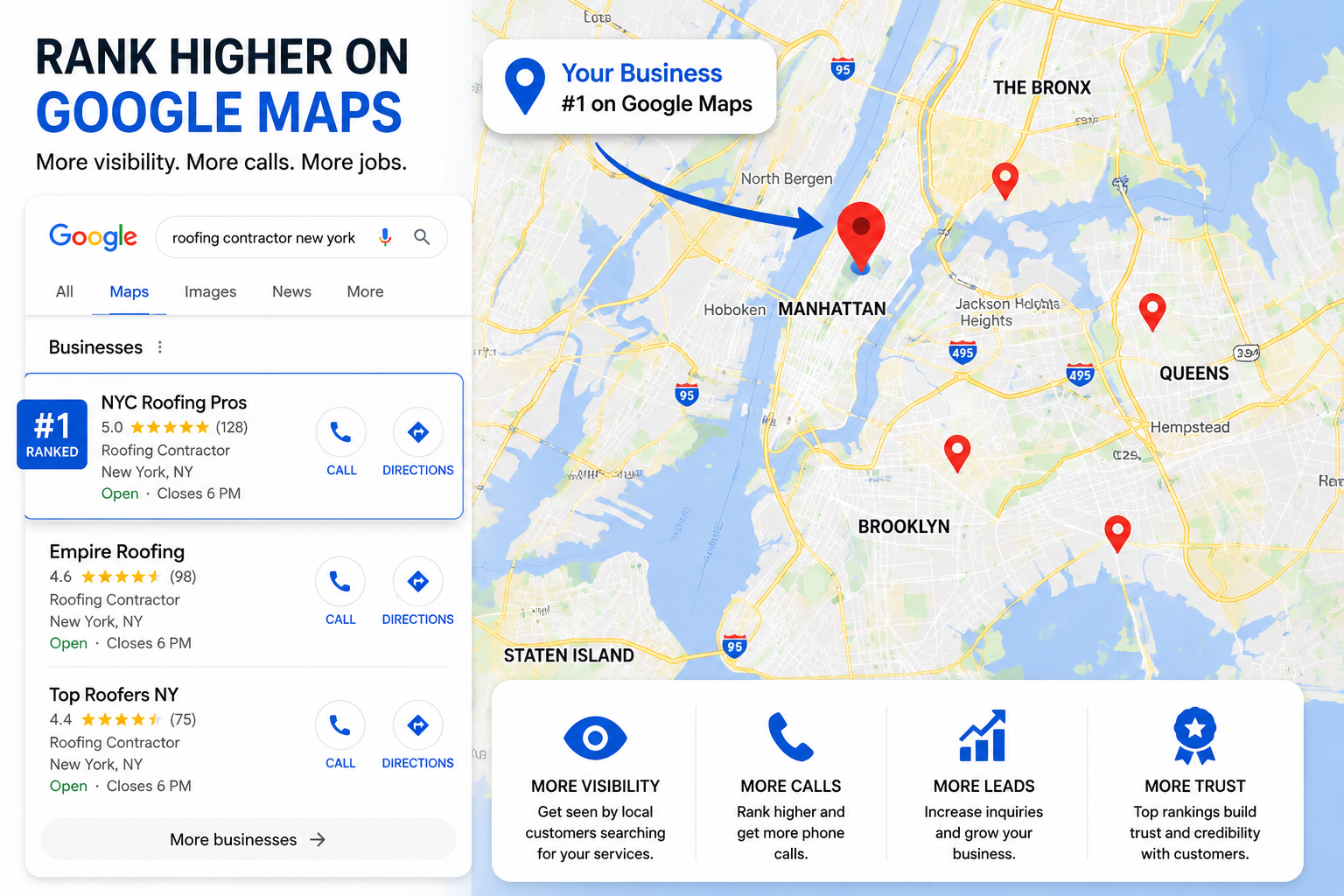
- Google My Business (GMB): Optimize your GMB profile for local searches, ensuring that your business information is accurate and up-to-date.
- Citations and Reviews: Build citations on reputable local directories and encourage customer reviews to improve local search rankings.
11. Penalties and How to Avoid Them
Google’s algorithm is designed to penalize websites that engage in manipulative or spammy SEO practices. Common causes of penalties include:
- Keyword Stuffing: Overusing keywords unnaturally in content.
- Link Schemes: Participating in link-buying or other artificial link-building strategies.
- Thin Content: Publishing low-quality, duplicate, or uninformative content.
To avoid penalties, follow Google’s Webmaster Guidelines and prioritize quality, relevance, and user experience in all aspects of SEO.
12. Future of Google’s Algorithm: Trends and Predictions
The future of Google’s algorithm will likely be shaped by further advances in AI and machine learning, as well as a greater emphasis on user experience metrics like Core Web Vitals. As search queries become more conversational and complex, Google will continue to refine its ability to understand natural language and deliver more personalized results.
In the coming years, we can expect:
- Greater Focus on User Experience: Metrics like page speed, mobile-friendliness, and Core Web Vitals will continue to grow in importance.
- Voice Search Optimization: With the rise of virtual assistants, optimizing for voice search will become more critical.
- AI-Driven Personalization: Google will likely incorporate more AI to deliver personalized search experiences based on user behavior and preferences.
13. Conclusion
Google’s SEO algorithm is a dynamic and ever-evolving system designed to deliver the most relevant and high-quality content to users. By understanding how the algorithm works and keeping up with changes, businesses and content creators can ensure their websites remain visible and competitive in search results.
From content relevance and quality to user experience and technical optimization, mastering Google’s algorithm requires a holistic SEO approach. By staying informed of updates, focusing on user intent, and avoiding manipulative practices, you can optimize your website for long-term success in the world’s most popular search engine.