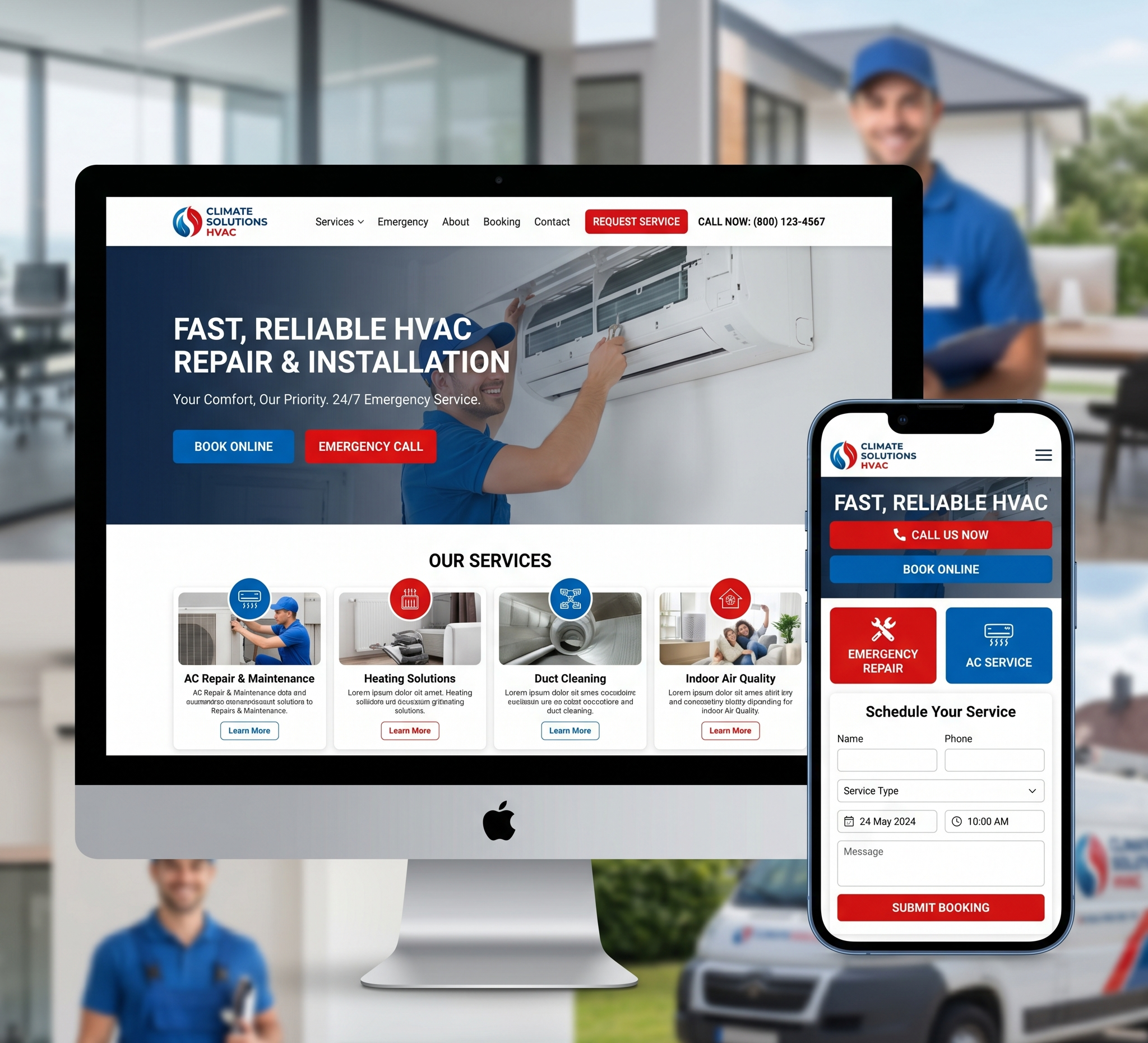

Custom Web Design – In the ever-evolving landscape of the internet, where attention spans are short and competition is fierce, having a distinctive online presence is paramount. Your website serves as the virtual face of your business, acting as the first point of contact for potential customers and clients. In this digital age, where template-driven websites abound, the importance of custom web design cannot be overstated.
Crafting Unique Digital Experiences: The Art and Science of Custom Web Design
Introduction: Custom Web Design
Custom web design is a nuanced process that goes beyond the aesthetics of a website. It involves a deep understanding of the brand, user experience, and the technical aspects of web development. This article delves into the world of custom web design, exploring its significance, the elements that constitute an effective design, and the benefits it brings to businesses.
A. Understanding Custom Web Design
1. Defining Custom Web Design
- Custom web design refers to the creation of a website tailored to meet the specific needs and requirements of a business or individual. Unlike template-based designs, custom web design involves a unique and personalized approach, ensuring that the website aligns seamlessly with the brand identity and objectives.
2. The Essence of Individuality
- One of the primary advantages of custom web design is the ability to stand out in a crowded digital space. A custom-designed website reflects the distinctive personality of a brand, making it memorable and recognizable. This individuality fosters a connection with the audience, enhancing brand loyalty and trust.
B. Elements of Custom Web Design
1. User-Centric Design
a. User Experience (UX) Design:
- At the core of custom web design is a focus on user experience. A well-designed website not only looks appealing but also ensures a seamless and intuitive user journey. UX design involves understanding the needs, preferences, and behaviors of the target audience to create a website that is easy to navigate and enjoyable to use.
b. User Interface (UI) Design:
- UI design complements UX by addressing the visual aspects of the website. This includes the layout, colors, typography, and interactive elements. A cohesive UI design enhances the overall aesthetics of the website and contributes to a positive user experience.
2. Responsive Design
- In an era where users access websites from various devices, responsiveness is non-negotiable. Custom web design prioritizes responsiveness, ensuring that the website adapts seamlessly to different screen sizes, be it a desktop, tablet, or smartphone. This not only enhances the user experience but also positively impacts search engine rankings, as search engines prioritize mobile-friendly websites.
3. Branding Consistency
- A custom-designed website serves as an extension of a brand’s identity. Consistency in branding, including the use of logos, colors, and messaging, reinforces brand recognition. Custom web design allows for the integration of brand elements in a way that aligns with the overall marketing strategy.
4. Scalability and Flexibility
- As businesses evolve, so do their website requirements. Custom web design provides scalability, allowing the website to grow and adapt to changing needs. Whether it’s the addition of new features, expansion of content, or integration with third-party tools, a custom-designed website offers the flexibility to accommodate these changes seamlessly.
5. Performance Optimization
- Website performance is a critical factor that influences user satisfaction and search engine rankings. Custom web design involves optimizing various elements, such as images, code, and server configurations, to ensure swift loading times. Performance optimization contributes to a positive user experience and can positively impact SEO (Search Engine Optimization) efforts.
6. Security Considerations
- Security is a paramount concern in the digital landscape. Custom web design allows for the implementation of robust security measures tailored to the specific needs of a website. This includes secure coding practices, regular security audits, and the integration of SSL certificates to encrypt data transmission.
7. Content Management Systems (CMS)
- Custom web design is not synonymous with a lack of content management capabilities. Many custom-designed websites leverage powerful content management systems, such as WordPress or Drupal, providing the flexibility to manage and update content easily. The advantage lies in tailoring the CMS to suit the specific requirements of the website.
C. The Custom Web Design Process
Creating a custom-designed website involves a systematic and collaborative process. The following steps provide an overview of the typical custom web design workflow:
1. Discovery and Research
a. Understanding the Business:
- The process begins with a thorough understanding of the business, its goals, target audience, and unique selling propositions. This phase involves discussions with key stakeholders to gather insights and align the design with the overarching business strategy.
b. Competitor Analysis:
- Researching competitors helps identify industry trends, strengths, and weaknesses. This information informs the design strategy, ensuring that the custom-designed website has a competitive edge.
c. User Persona Development:
- Creating user personas helps in understanding the needs and behaviors of the target audience. This information guides the design decisions to create a website that resonates with the intended users.
2. Planning and Strategy
a. Information Architecture:
- Defining the structure and organization of the website is crucial for a seamless user experience. This involves creating a sitemap and wireframes that outline the layout and flow of the website.
b. Technology Stack Selection:
- Choosing the right technology stack, including the programming languages, frameworks, and CMS, is a critical decision in the planning phase. The technology stack is selected based on the specific requirements and goals of the website.
3. Design Development
a. UI/UX Design:
- The design phase involves creating the visual elements of the website. This includes the user interface (UI) design, which focuses on the look and feel, and the user experience (UX) design, which ensures usability and functionality. Design elements such as color schemes, typography, and imagery are carefully curated to align with the brand identity.
b. Prototyping:
- Creating interactive prototypes allows stakeholders to visualize the user journey and functionality of the website before development begins. Prototyping is an iterative process that incorporates feedback to refine the design.
4. Development
a. Front-End Development:
- Front-end development involves translating the design into a functional website using HTML, CSS, and JavaScript. This phase focuses on creating an interactive and responsive user interface.
b. Back-End Development:
- Back-end development involves building the server-side logic, databases, and integrations that power the website. This phase ensures the functionality and performance of the website.
c. Content Integration:
- Content, including text, images, and multimedia elements, is integrated into the website during the development phase. Custom web design allows for a seamless blending of content with the design, enhancing the overall user experience.
5. Testing and Quality Assurance
a. Cross-Browser Compatibility:
- Testing the website across different browsers ensures a consistent and optimal experience for users regardless of their browser choice.
b. Mobile Responsiveness:
- Mobile responsiveness is rigorously tested to guarantee that the website functions seamlessly on various devices.
c. Performance Testing:
- Performance testing evaluates the speed and responsiveness of the website, identifying and addressing any bottlenecks that could affect user experience.
d. Security Audits:
- Security audits are conducted to identify and address potential vulnerabilities, ensuring the website is resilient against cyber threats.
6. Launch and Deployment
- Once the custom-designed website has undergone thorough testing and quality assurance, it is ready for launch. Deployment involves making the website accessible to the public, and any necessary configurations are implemented to ensure a smooth transition.
7. Post-Launch Support and Maintenance
- The journey doesn’t end with the website launch. Post-launch support and maintenance are crucial for addressing any issues, implementing updates, and ensuring the ongoing performance and security of the website.
D. The Benefits of Custom Web Design
Investing in custom web design yields a multitude of benefits, contributing to the success and longevity of a website. Here are some key advantages:
1. Distinctive Brand Identity
- Custom web design allows businesses to express their unique brand identity through visual elements, messaging, and user experience. A distinctive brand identity fosters recognition and sets the business apart from competitors.
2. Tailored User Experience
- By focusing on user experience, custom web design ensures that the website is intuitive, easy to navigate, and aligned with the expectations of the target audience. This tailored user experience enhances engagement and encourages repeat visits.
3. Scalability for Growth
- Custom-designed websites are built with scalability in mind. As a business grows, the website can easily accommodate increased traffic, additional features, and evolving content requirements without compromising performance.
4. Search Engine Optimization (SEO) Benefits
- Search engines favor websites that prioritize user experience, mobile responsiveness, and fast loading times. Custom web design, with its emphasis on these factors, contributes to improved SEO rankings, increasing visibility and organic traffic.
5. Adaptability to Industry Trends
- The digital landscape is dynamic, with trends and technologies evolving rapidly. Custom web design allows businesses to stay ahead of the curve by incorporating the latest design trends, technologies, and functionalities into their websites.
6. Enhanced Security
- Security is a top priority in custom web design. Websites are built with robust security measures, reducing the risk of data breaches and ensuring the safety of user information.
7. Ownership and Control
- Unlike template-based solutions that may restrict customization, custom web design provides complete ownership and control over the website. This means that businesses can tailor the website to their exact specifications and make changes as needed without limitations.
8. Long-Term Cost Efficiency
- While the initial investment in custom web design may be higher than using pre-made templates, the long-term cost efficiency is evident. Custom-designed websites require less maintenance, experience fewer issues, and offer better scalability, reducing the need for frequent redesigns or overhauls.
9. Adherence to Accessibility Standards
- Custom web design allows for a meticulous approach to accessibility. Websites can be designed and developed to adhere to accessibility standards, ensuring that people with disabilities can access and navigate the content seamlessly.
10. Measurable Performance Metrics
- Custom web design facilitates the integration of analytics tools, allowing businesses to track and analyze various performance metrics. From user behavior to conversion rates, these insights enable data-driven decision-making for continuous improvement.
E. Challenges and Considerations
While custom web design offers numerous benefits, it is essential to acknowledge the challenges and considerations associated with this approach.
1. Time Investment
- Custom web design is a comprehensive process that requires time for thorough research, planning, design, and development. Businesses should be prepared for a longer timeline compared to using pre-made templates.
2. Initial Cost
- The upfront cost of custom web design can be higher than using templates. However, this investment pays off in the long run through improved performance, scalability, and a unique online presence.
3. Ongoing Maintenance
- While custom-designed websites generally require less maintenance, ongoing updates and occasional adjustments may be necessary to address emerging technologies or changing business needs.
4. Technical Expertise
- Developing a custom website requires technical expertise in both front-end and back-end development. Businesses may need to collaborate with skilled professionals or agencies to ensure a successful outcome.
5. Market Research
- Thorough market research is crucial during the initial phases of custom web design. Understanding the target audience, industry trends, and competitors is essential for creating a website that resonates with users.
6. Collaboration and Communication
Effective collaboration and communication between stakeholders, including business owners, designers, and developers, are vital for the success of a custom web design project. Clear communication ensures that the final product aligns with the business vision.
Conclusion: Custom Web Design
In the digital realm, where online presence is synonymous with business identity, custom web design emerges as a strategic imperative. The investment in a custom-designed website goes beyond aesthetics; it is a commitment to providing a seamless user experience, building brand identity, and staying ahead in a competitive landscape.
As businesses navigate the dynamic digital ecosystem, the choice between template-driven solutions and custom web design becomes pivotal. While templates offer convenience, custom web design delivers unparalleled flexibility, scalability, and a unique identity that resonates with the target audience.
In the journey of custom web design, each phase from discovery and research to launch and beyond is a testament to the dedication to excellence. It is a collaborative effort where creativity meets technology, and the result is a digital masterpiece that not only meets but exceeds expectations.
In the ever-evolving landscape of the internet, where first impressions matter and user experience defines success, custom web design stands as the gateway to digital distinction. It is more than a website; it is an immersive digital experience crafted with precision and passion. As businesses embrace the art and science of custom web design, they embark on a transformative journey towards a digital presence that is not just functional but unforgettable.