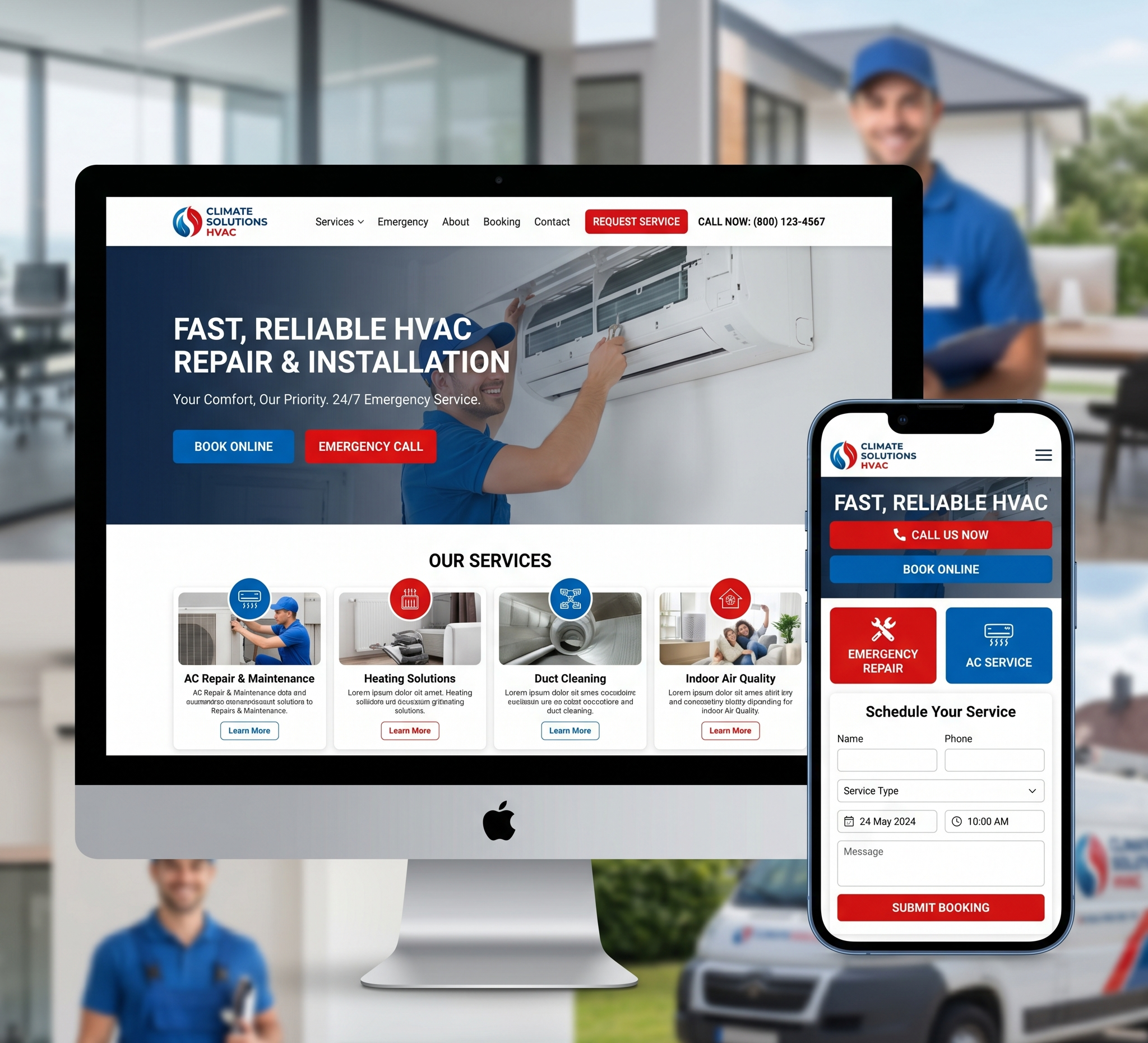

Affordable Business Website Design – In today’s digital age, having a professional online presence is essential for businesses of all sizes. A well-designed website not only acts as a virtual storefront but also serves as a powerful marketing tool to attract and engage customers. However, for many small businesses and startups, the cost of website design can be prohibitive. Fortunately, there are numerous affordable options available that allow businesses to establish a robust online presence without breaking the bank.
Crafting Your Path to Success: The Ultimate Guide to Affordable Business Website Design
In this comprehensive guide, we’ll delve into the world of affordable business website design, exploring strategies, tips, and resources to help you create a compelling website that drives results without draining your budget. From understanding the basics of web design to leveraging cost-effective tools and platforms, we’ll equip you with the knowledge and insights you need to succeed in the digital realm.
Chapter 1: Understanding the Basics of Web Design
Before diving into the specifics of affordable website design, it’s crucial to grasp the fundamental principles of web design. A well-designed website should not only be visually appealing but also user-friendly, intuitive, and optimized for performance. Here are some key considerations to keep in mind:
1.1 Responsive Design:
- In today’s mobile-centric world, ensuring that your website is optimized for mobile devices is paramount. Responsive design techniques allow your site to adapt seamlessly to various screen sizes, providing an optimal viewing experience for users across desktops, smartphones, and tablets.
1.2 User Experience (UX) Design:
- User experience plays a pivotal role in the success of your website. Focus on creating a seamless and intuitive browsing experience by prioritizing clear navigation, fast load times, and accessible content. Conducting user testing and gathering feedback can help identify areas for improvement and refinement.
1.3 Visual Aesthetics:
- While affordability is a key consideration, that doesn’t mean sacrificing aesthetics. Invest in high-quality imagery, typography, and color schemes that reflect your brand identity and appeal to your target audience. Remember that first impressions matter, and a visually appealing website can instill trust and credibility in your brand.
1.4 Content Strategy:
- Compelling content is the backbone of any successful website. Develop a content strategy that aligns with your business objectives and resonates with your audience. Whether it’s informative blog posts, engaging videos, or captivating product descriptions, prioritize quality over quantity to keep visitors engaged and coming back for more.
Chapter 2: Cost-Effective Website Design Solutions
Now that you have a solid understanding of the core principles of web design, let’s explore some cost-effective solutions for building your business website. From DIY website builders to affordable hosting options, there are plenty of tools and resources available to help you bring your vision to life without breaking the bank.
2.1 DIY Website Builders:
- Platforms like Wix, Squarespace, and Weebly offer user-friendly, drag-and-drop website builders that empower business owners to create professional-looking websites with minimal technical expertise. These platforms provide a range of customizable templates, robust features, and built-in hosting, making them ideal for small businesses on a budget.
2.2 Open-Source Content Management Systems (CMS):
- Open-source CMS platforms such as WordPress, Joomla, and Drupal provide powerful and flexible frameworks for building websites at a fraction of the cost of custom development. With a vast ecosystem of themes, plugins, and extensions, you can customize your site to suit your specific needs and preferences.
2.3 Freelance Designers and Developers:
- Hiring a freelance designer or developer can be a cost-effective option for businesses seeking a customized website design without the hefty price tag of a traditional agency. Platforms like Upwork, Freelancer, and Fiverr connect businesses with talented freelancers from around the world, allowing you to find the right expertise at a budget-friendly rate.
2.4 Template Marketplaces:
- If you have some design skills or are willing to learn, template marketplaces like ThemeForest and TemplateMonster offer a wide selection of affordable website templates for various platforms and industries. These templates provide a solid foundation for your website design, allowing you to customize and personalize them to suit your brand.
Chapter 3: Maximizing Value and ROI
While affordability is undoubtedly important, it’s equally crucial to maximize the value and return on investment (ROI) of your website design efforts. Here are some strategies to help you get the most bang for your buck:
3.1 Prioritize Functionality:
- Focus on building a website that serves your business goals and meets the needs of your target audience. Identify key features and functionalities that are essential for your website, such as e-commerce capabilities, contact forms, or appointment scheduling, and prioritize their implementation to drive conversions and engagement.
3.2 Optimize for Performance:
- A fast and reliable website is essential for retaining visitors and improving search engine rankings. Invest in quality hosting, optimize your images and code for speed, and leverage caching and content delivery networks (CDNs) to ensure swift page load times and smooth performance across devices.
3.3 Implement SEO Best Practices:
- Search engine optimization (SEO) plays a critical role in driving organic traffic to your website. Incorporate relevant keywords, meta tags, and descriptive headers into your content, optimize your site structure and navigation for search engines, and regularly update and promote your content to improve visibility and rankings.
3.4 Track and Analyze Metrics:
- Monitoring key performance indicators (KPIs) such as website traffic, bounce rate, and conversion rates is essential for evaluating the effectiveness of your website and identifying areas for improvement. Utilize tools like Google Analytics to track user behavior and engagement, and use the insights gained to refine your website design and marketing strategies.
Chapter 4: Future-Proofing Your Website
In the ever-evolving landscape of the internet, it’s essential to future-proof your website to ensure its longevity and relevance. Here are some strategies to future-proof your website design and keep pace with emerging trends and technologies:
4.1 Adopt Responsive Design:
- As the prevalence of mobile devices continues to rise, responsive design is no longer optional it’s a necessity. Ensure that your website is fully responsive and optimized for a variety of screen sizes and devices to provide a consistent and seamless user experience across platforms.
4.2 Stay Updated with Technology:
- Keep abreast of the latest advancements in web design and technology to ensure that your website remains competitive and up-to-date. Embrace emerging trends such as voice search optimization, artificial intelligence, and progressive web apps to enhance the functionality and user experience of your site.
4.3 Regular Maintenance and Updates:
- Regular maintenance and updates are essential for keeping your website secure, functional, and optimized for performance. Stay vigilant against security threats and vulnerabilities by installing security patches and updates promptly, and regularly audit and optimize your site’s code, content, and functionality to ensure continued effectiveness.
4.4 Adapt and Evolve:
- The digital landscape is constantly evolving, and businesses must be willing to adapt and evolve to stay ahead of the curve. Solicit feedback from users, monitor industry trends, and be open to experimentation and innovation to keep your website fresh, engaging, and relevant in the eyes of your audience.
Conclusion: Affordable Business Website Design
Building an affordable business website doesn’t have to be a daunting or expensive endeavor. By understanding the basics of web design, leveraging cost-effective solutions and maximizing value and ROI, you can create a professional and compelling online presence that drives results for your business. Remember to future-proof your website by staying updated with technology, regularly maintaining and updating your site, and remaining adaptable to emerging trends and opportunities. With the right strategies and resources, you can unlock the full potential of your website and pave the way for long-term success in the digital realm.