
Nonprofit Organization Web Design: A Comprehensive Guide
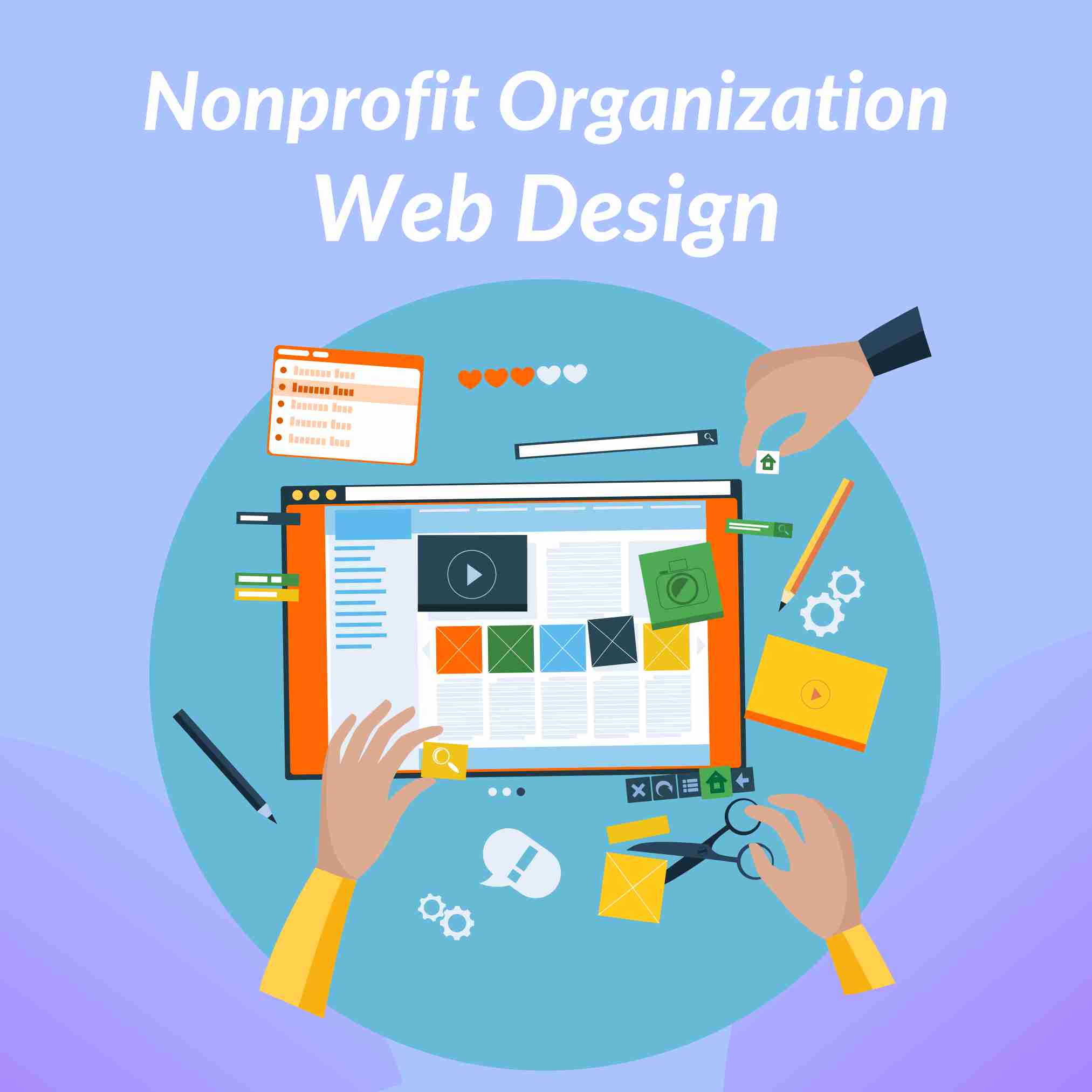

Nonprofit Organization Web Design – In the digital age, an effective online presence is crucial for nonprofit organizations to convey their mission, engage supporters, and drive meaningful change. A well-designed website serves as the virtual face of the organization, acting as a central hub for information, donations, and community building. This comprehensive guide explores the key elements of nonprofit organization web design, providing insights and tips to create a user-friendly, visually appealing, and impactful website.
Creating an Impactful Nonprofit Organization Web Design: A Comprehensive Guide
1. Understanding the Unique Needs of Nonprofit Websites
Nonprofit organizations differ from commercial entities in terms of goals, target audiences, and content. Therefore, their websites must be tailored to accommodate these unique aspects. Understanding the specific needs of a nonprofit organization is the first step in creating an effective web design.
1.1 Clear Mission and Vision Communication
- The primary goal of a nonprofit website is to communicate the organization’s mission and vision clearly. This information should be prominently displayed on the homepage, providing visitors with a quick understanding of the organization’s purpose. Use concise language and compelling visuals to convey the impact and importance of the nonprofit’s work.
1.2 Donation and Fundraising Integration
- For many nonprofits, donations and fundraising play a crucial role in sustaining their operations. Make sure your website includes prominent and user-friendly donation options. Implement secure payment gateways and clearly articulate how contributions will be used to further the organization’s mission. Consider incorporating visually appealing progress bars or infographics to showcase the impact of donations.
1.3 Volunteer Engagement
- Nonprofits heavily rely on volunteers to support their initiatives. A well-designed website should have a dedicated section that outlines volunteer opportunities, requirements, and benefits. Create user-friendly forms for volunteer sign-ups, allowing interested individuals to easily get involved.
1.4 Storytelling through Impactful Content
Storytelling is a powerful tool for nonprofit organizations to connect with their audience emotionally. Use compelling narratives, success stories, and multimedia content such as videos and images to convey the impact of the organization’s work. Showcase the real people behind the cause to build empathy and engagement.
B. Key Elements of Nonprofit Organization Web Design
To create a successful nonprofit website, focus on incorporating key elements that enhance user experience, convey the organization’s message effectively, and encourage action.
2.1 Responsive Design for Accessibility
- With the increasing use of smartphones and tablets, it’s crucial to ensure that your nonprofit website is responsive. Responsive design ensures that the site adapts seamlessly to different screen sizes and devices, providing a consistent and user-friendly experience for all visitors. This not only improves accessibility but also positively impacts search engine rankings.
2.2 User-Friendly Navigation
- Simple and intuitive navigation is essential for guiding visitors through your website. Clearly categorize information, and maintain a logical structure to help users find what they’re looking for effortlessly. Implement a clean and organized menu structure, incorporating dropdown menus for complex content hierarchies. Prioritize important sections such as “About Us,” “Donate,” and “Get Involved” in the main navigation menu.
2.3 Engaging Homepage
- The homepage is the first point of contact for many visitors, so it should make a strong impression. Include impactful visuals, concise headlines, and a compelling call-to-action that directs users to explore further. Use sliders or carousels to feature key messages, success stories, and current campaigns. Consider incorporating a newsletter signup form to capture visitor information for future engagement.
2.4 Consistent Branding
- Maintaining consistent branding across all elements of your website helps establish credibility and recognition. Use the organization’s logo, color scheme, and font consistently throughout the site. This cohesive branding strategy fosters trust and reinforces the nonprofit’s identity.
2.5 Accessible Content for All Audiences
- Ensure that your website is accessible to individuals with disabilities. Follow web accessibility guidelines (WCAG) to make your content perceivable, operable, and understandable for everyone. This includes providing alternative text for images, using descriptive link text, and ensuring that all interactive elements are keyboard accessible. Accessibility not only aligns with ethical considerations but also improves your website’s search engine ranking.
2.6 Compelling Visuals and Multimedia
- Visual content is a powerful tool for storytelling and engagement. Incorporate high-quality images, infographics, and videos to convey your nonprofit’s message effectively. Feature images of real people impacted by your organization’s work to create a personal connection with visitors. Optimize multimedia elements to ensure fast loading times and compatibility across devices.
2.7 Impactful Call-to-Action (CTA)
- Every page on your nonprofit website should have a clear and compelling call-to-action. Whether it’s encouraging donations, volunteer sign-ups, or sharing content on social media, the CTA should stand out and guide visitors toward taking the desired action. Use action-oriented language and strategically place CTAs throughout the site.
3. Building Trust and Credibility
Establishing trust is crucial for nonprofit organizations, as supporters need assurance that their contributions will make a meaningful impact. Incorporate elements that build credibility and transparency into your web design.
3.1 Showcase Testimonials and Success Stories
- Feature testimonials from beneficiaries, volunteers, and donors to provide real-world examples of your organization’s impact. Success stories humanize your cause and demonstrate the tangible results of your work. Use quotes, images, and multimedia to enhance the authenticity of these narratives.
3.2 Transparent Financial Information
- Many donors want assurance that their contributions will be used responsibly. Provide transparent financial information, including annual reports, financial statements, and breakdowns of how donations are allocated. Clearly communicate your organization’s commitment to accountability and responsible financial stewardship.
3.3 Accreditations and Awards
- Highlight any relevant accreditations, certifications, or awards that your nonprofit has received. These accolades serve as external validations of your organization’s credibility and commitment to excellence. Display badges or logos prominently on your website to instill confidence in potential supporters.
3.4 Secure and Trustworthy Donation Process
- Since online transactions involve sensitive information, it’s crucial to prioritize the security of your donation process. Implement SSL certificates to secure data transmission, and use reputable payment gateways. Clearly communicate your commitment to data privacy and security to reassure donors.
4. Mobile Optimization and SEO Strategies
In an era where mobile users constitute a significant portion of internet traffic, optimizing your nonprofit website for mobile devices is imperative. Additionally, incorporating SEO strategies enhances your website’s visibility in search engine results, ensuring that your organization reaches a wider audience.
4.1 Mobile-Friendly Design
- Prioritize mobile optimization to ensure a seamless experience for users on smartphones and tablets. Test your website’s responsiveness across various devices and browsers to identify and address any issues. Mobile-friendly design not only improves user experience but also positively influences search engine rankings, as Google prioritizes mobile-friendly websites.
4.2 Search Engine Optimization (SEO)
- Implementing effective SEO strategies is crucial for increasing your nonprofit website’s visibility in search engine results. Conduct keyword research to identify relevant terms related to your organization’s mission and activities. Incorporate these keywords naturally into your website’s content, meta tags, and headings. Optimize images, use descriptive file names, and create a sitemap to facilitate search engine crawling.
4.3 Local SEO for Community Engagement
- If your nonprofit serves a specific geographic area, leverage local SEO strategies to connect with the community. Claim and optimize your Google My Business listing, include local keywords in your content, and encourage local supporters to leave reviews. This helps your organization appear in local search results and enhances community engagement.
4.4 Social Media Integration
- Social media plays a significant role in connecting nonprofits with their audience. Integrate social media buttons and feeds into your website to encourage visitors to follow, share, and engage with your organization on various platforms. This not only increases your social media presence but also contributes to improved SEO through social signals.
5. Donor-Centric Design Strategies
Donors are the lifeblood of nonprofit organizations, and designing your website with their needs in mind is crucial for fostering long-term support. Implement donor-centric design strategies to enhance the overall giving experience.
5.1 Personalized Donation Pages
- Create personalized donation pages that align with specific campaigns or appeals. Tailor the messaging, visuals, and impact statements to resonate with the theme of each fundraising effort. Implement suggested donation amounts and provide donors with the option to dedicate their contributions to specific projects or initiatives.
5.2 Donor Recognition
- Acknowledge and appreciate donors by incorporating a donor recognition section on your website. Feature a donor wall or list contributors in newsletters to showcase the impact of their support. Ensure that donors have the option to remain anonymous if they prefer.
5.3 Email Marketing Integration
- Integrate email marketing tools to nurture relationships with donors and keep them informed about your organization’s activities. Collect email addresses through newsletter sign-up forms and use segmentation to tailor communications based on donors’ interests and preferences. Regularly send updates, impact stories, and fundraising appeals to maintain donor engagement.
5.4 Donor Login and Dashboard
- For recurring donors or those contributing to specific campaigns, consider implementing a donor login and dashboard feature. This allows donors to manage their giving preferences, track their contributions, and access personalized content. Providing donors with a seamless and user-friendly experience encourages ongoing support.
6. Security and Compliance Considerations
Maintaining the security of your nonprofit website is essential to protect sensitive information and build trust with users. Additionally, compliance with relevant regulations ensures that your organization operates ethically and transparently.
6.1 Secure Sockets Layer (SSL) Encryption
- Implement SSL encryption to secure data transmission between your website and users’ browsers. SSL certificates encrypt sensitive information such as personal details and payment data, safeguarding against potential cyber threats. A secure website not only protects users but also positively influences search engine rankings.
6.2 Compliance with Data Protection Regulations
- Adhere to data protection regulations, such as the General Data Protection Regulation (GDPR) and the Children’s Online Privacy Protection Act (COPPA), depending on your organization’s scope and audience. Clearly communicate your privacy policy, obtain explicit consent for data collection, and provide users with options to manage their preferences.
6.3 PCI DSS Compliance for Online Donations
- If your nonprofit accepts online donations, ensure compliance with Payment Card Industry Data Security Standard (PCI DSS) requirements. Use secure payment gateways, avoid storing payment information locally, and conduct regular security assessments to identify and address potential vulnerabilities. Display trust badges related to PCI compliance to reassure donors.
7. Analytics and Continuous Improvement
Implementing web analytics tools provides valuable insights into user behavior, website performance, and the effectiveness of your strategies. Regularly analyze data to make informed decisions and continuously improve your nonprofit website.
7.1 Google Analytics Implementation
- Integrate Google Analytics or a similar analytics tool to track key metrics such as website traffic, user demographics, and engagement. Monitor the performance of individual pages, campaigns, and conversion rates to identify areas for improvement. Leverage insights from analytics to refine your content, user experience, and marketing strategies.
7.2 A/B Testing for Optimization
- Conduct A/B testing to compare different versions of pages, layouts, or calls-to-action. This iterative testing process helps identify elements that resonate best with your audience and improve conversion rates. Test variations of donation forms, headlines, visuals, and other elements to optimize your website for maximum impact.
7.3 User Feedback and Surveys
- Encourage user feedback through surveys, polls, and contact forms. Gain insights into user satisfaction, identify pain points, and gather suggestions for improvement. Act on constructive feedback to enhance the overall user experience and meet the evolving needs of your audience.
7.4 Regular Content Audits
- Perform regular content audits to ensure that your website’s information is up-to-date, relevant, and aligned with your organization’s goals. Remove outdated content, update statistics, and refresh visuals to maintain a dynamic and engaging online presence. Regular content audits also contribute to improved search engine visibility.
Conclusion: Nonprofit Organization Web Design
Creating an impactful nonprofit organization web design requires a strategic approach that prioritizes user experience, engagement, and transparency. By understanding the unique needs of nonprofit websites and implementing key design elements, organizations can effectively communicate their mission, connect with supporters, and drive positive change.
From responsive design and user-friendly navigation to compelling visuals and donor-centric strategies, each aspect plays a crucial role in the success of a nonprofit website. Building trust through transparent communication, showcasing impact, and prioritizing security and compliance further solidify the organization’s credibility.
In the ever-evolving digital landscape, continuous improvement through analytics, A/B testing, and user feedback ensures that nonprofit websites stay relevant and effective. By embracing these principles and incorporating them into the web design process, nonprofit organizations can create a powerful online presence that amplifies their impact and advances their mission.
Recommended Posts
Local SEO vs. Global SEO: A Comprehensive Guide
May 14, 2025